The Story
Why it exists.
The beginning
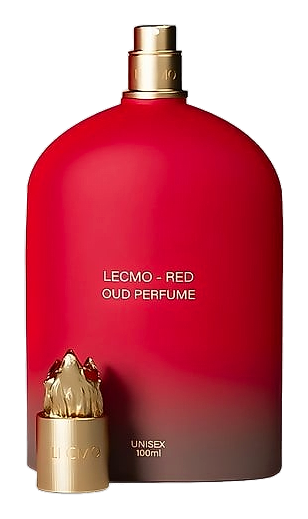
Red Oud sits inside a tightly color-coded catalog, where every bottle is a hue before it's a scent. The brand builds a lineup that reads like a mood board: deep reds, saturated blues, warm ambers, each shade carrying its own material logic. Red Oud is the dark-red corner of that palette, the one where resin and smoke do the talking. Every color gets its distinct textural treatment, and the red lane goes earthy and herbal rather than conventionally sweet. For this composition, oud sits as the anchor material, framed by green and resinous supporting notes, and the goal reads as an oud with a forest-floor backbone instead of a candied one. The accord draws on aromatic woods, sticky resins, and herbal accents to give the agarwood a sharper, more cooling tilt.
What makes this composition interesting is its restraint with the obvious. Instead of leaning on rose, saffron, or heavy amber to sweeten the agarwood, Red Oud opens with cypress and labdanum, two ingredients that make the oud sharper and more herbal rather than sweeter. Rosemary enters the heart to reinforce that green-spicy edge, a choice that pushes the composition toward a forest-floor character instead of a syrupy sweetness.
The evolution
The opening is dense and immediate. Cypress leads green and almost medicinal, labdanum sits underneath like warmed resin, and the orange adds a brief bright crack before disappearing entirely. The oud surfaces early, smoky and unmistakably animalic in the way agarwood reads when it isn't tamed by sugar, and rosemary sharpens it from the side. As the green top notes fade, what's left is the oud-patchouli spine: dark, resinous, with a faint herbal hum that won't quit. Through the middle hours, the tonka and amber settle in, softening the oud's sharper edges into something warmer and slightly powdery without ever crossing into gourmand territory. On fabric the drydown can linger, releasing a warm dry skin scent with a soft resin trace that reappears with body heat.
Cultural impact
Red Oud fits into a fragrance conversation where oud has become one of the most explored materials in modern perfumery, and brands continue to find new ways of reframing it. Rather than chasing the conventional sweet, saffron-and-rose route that has historically defined many agarwood compositions, Red Oud's cypress-and-rosemary frame positions it in a cooler, more aromatic register. The emphasis on forest-floor greenery and resinous drydown gives the fragrance a structure that reads as deliberately composed rather than conventionally syrupy.