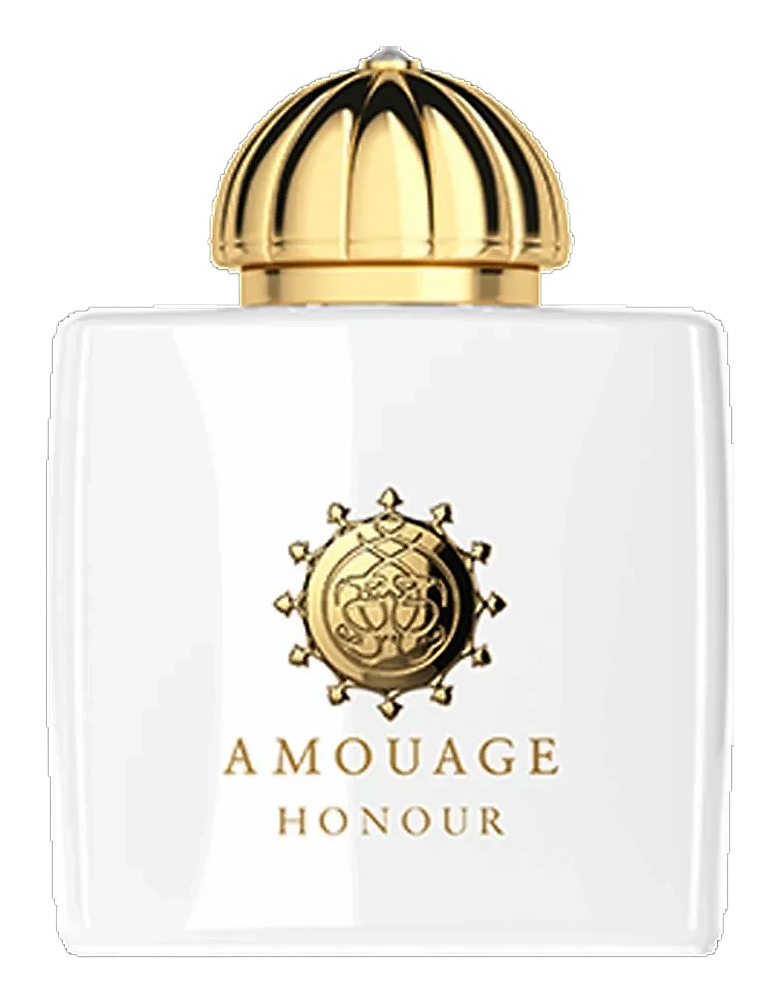

The Story
Why it exists.
The beginning
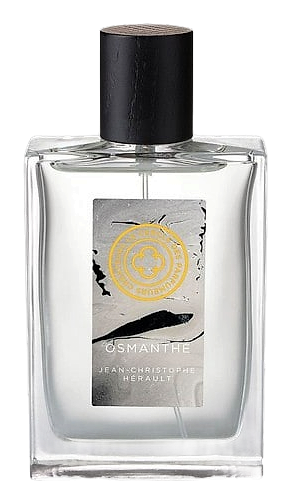
Jean-Christophe Hérault created Osmanthé in 2015 as part of Le Cercle des Parfumeurs Createurs, the French collective founded around 2013 to give independent perfumers ownership over their work. The Cercle operates outside conventional distribution: small editions, exclusive stockists, public tastings. Fragrance as intellectual property, not brand asset. Osmanthé was one of the group's soliflore-themed releases, built around a single flower rather than a concept or memory. The choice of osmanthus was deliberate: a material that rewards attention, with a fruity-apricot character most wearers haven't encountered before. Hérault wanted to translate the flower itself, not an idea around it.
What makes Osmanthé interesting is the tightrope it walks. Osmanthus absolute has a dual nature, the same apricotty sweetness that seduces also carries a suede-leather facet that can tip into something dark and animalic. Hérault's solution was to let the floral materials do the work. Jasmine sambac absolute from Grasse adds a soapy-clean sweetness that pulls the composition away from leather. Tunisian orange blossom absolute amplifies the creamy floral register without adding weight. The patchouli in the base isn't a statement, it's a floor, keeping the osmanthus from disappearing. It's restraint as a creative choice, not a limitation.
The evolution
The opening arrives quickly: bergamot and lemon lift the citrus, violet leaf adds a fleeting green snap, and underneath it all the apricot character of osmanthus announces itself. Not a shy entrance. The fruitiness is immediate and unmistakable, the reason people who know osmanthus reach for this fragrance first. Within twenty minutes the jasmine sambac and orange blossom absolute take over the midground. The soap-clean floral quality becomes the dominant impression, keeping the apricot warmth from darkening. The handoff isn't dramatic, it's a gentle shift from fruit to floral, like turning a corner and finding more flowers. Patchouli arrives last, not as a reveal but as settling. The drydown lasts another few hours: close to the skin, warm, the floral still present but softened. On fabric, a faint trace remains into the next day, not the fragrance itself, but the memory of it.
Cultural impact
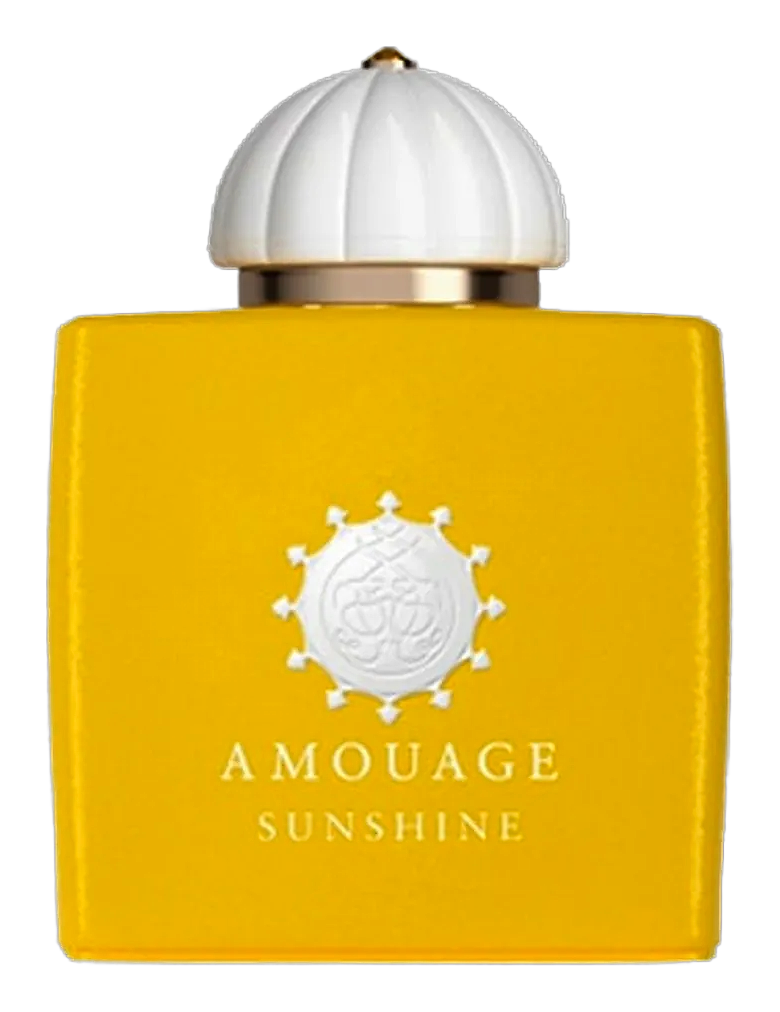
Osmanthé sits comfortably in the soliflore tradition that niche collectors seek out, a single flower executed without apology. The osmanthus note itself is uncommon enough to draw attention from those who've encountered it in Amouage or Serge Lutens compositions. What separates this from those entries is the restraint: no oud, no heavy woods, no competing accords fighting for attention. The fragrance knows what it is. That kind of clarity attracts the collector who already knows what they want, and the curious who don't yet know osmanthus is what they want.