The Story
Why it exists.
The beginning
Fil d'Or No2 emerges from a house that treats fragrance as memory made tangible. This 2024 work by Bruno Jovanovic arrives as a meditation on rose itself, not the romantic rose of spring, but the dark, resinous rose of something older. The original Fil d'Or established the thread; this sequel refines and deepens it. The composition builds around a rose that refuses to behave, wrapped in myrrh's medicinal depth and grounded by oud's presence. Osmanthus arrives as the unexpected quiet after the storm, lending its apricot-leather character to prevent any hint of preciousness. The result is a floral that refuses to be delicate, built for the wearer who understands that elegance and eccentricity are closer than fashion would have you believe.
The Turkey Red Rose at the heart of Fil d'Or No2 is the material that makes this possible. Unlike the brighter, more fleeting roses of spring compositions, Turkish Damask rose carries a honeyed, almost waxy depth, a quality that benefits from resinous company rather than drowning in it. Myrrh in the top accord does something unusual: it doesn't sweeten or soften. It arrives medicinal, bitter, slightly smoky, and then lingers, becoming a bridge between the citrus-bright opening and the oud-warm base.
The evolution
Bitter orange opens Fil d'Or No2 with an immediate, almost startling brightness, a flash of citrus that cuts rather than caresses. Davana adds a faintly herbal complexity underneath, preventing any hint of cleaner. Then myrrh arrives, shifting the register from bright to balsamic. This is the first tell: you're not wearing a safe fragrance. The Turkish rose emerges, arriving cushioned rather than announced, honeyed, deep, with none of the green freshness of a garden rose. Cinnamon pulses underneath, warm and spicy, preventing the rose from becoming precious. As the heart develops, osmanthus lends its apricot-leather character, geranium adding a green-floral counterpoint that keeps everything grounded.
Cultural impact
Fil d'Or No2 joins a lineage of rose-oud compositions that draw from Middle Eastern perfumery traditions while maintaining a contemporary lightness. The Turkish rose and myrrh combination positions it within a recognizable niche genre, though Jovanovic's execution, particularly the osmanthus addition and the clean Clearwood drydown, gives it a distinct character. Laurent Mazzone Parfums has built its reputation on collectors who seek compositions that resist easy categorization, and this 2024 release continues that approach: a floral-woody-spicy that offers elegance without predictability.
The House
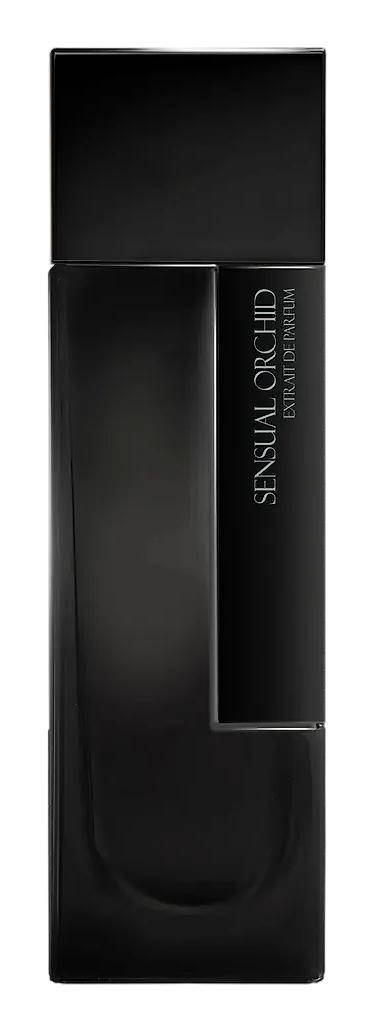
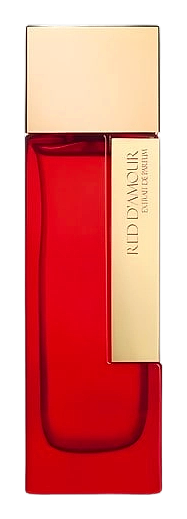
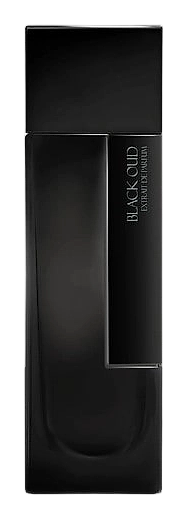
Laurent Mazzone ParfumsLaurent Mazzone Parfums is a French fragrance house that emerged from the Paris perfume scene in 2010. Founded by Laurent Mazzone, an Italian-French perfumer who developed an interest in scent at age 12, the house presents itself as an artisanal alternative to larger luxury brands. The collection includes signature oud compositions like Black Oud (2012) alongside more recent work such as Lavande Noire (2023) and Pistache (2025). Mazzone approaches fragrance creation as personal storytelling, building scents around specific emotional moments rather than following seasonal trends. The house operates with a small, focused catalog and distributes primarily through specialty retailers and its own channels.
The Creator
Bruno JovanovicJovanovic works toward a signature formula that communicates with clarity and instant recognition. He limits the number of raw materials he uses, preferring fewer bases that do more work.