The Story
Why it exists.
The beginning
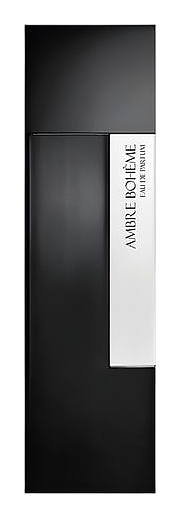
Ambre Boheme arrived in 2019 from Laurent Mazzone Parfums, composed by Nathalie Feisthauer. Part of the White Label collection, it treats amber not as a sweet, sticky idea but as a structural material, something woody and resinous at the core. Feisthauer built it around cypriol, that earthy nagarmotha root, with its quality of smoked wood and ink, a raw and slightly secretive note that grounds the composition in something darker and less obvious than the usual amber templates. The nutmeg that opens it adds a sharp, almost bitter warmth before the heavier materials settle in, a brief flicker of spice that keeps the opening from sinking into the rich base too quickly.
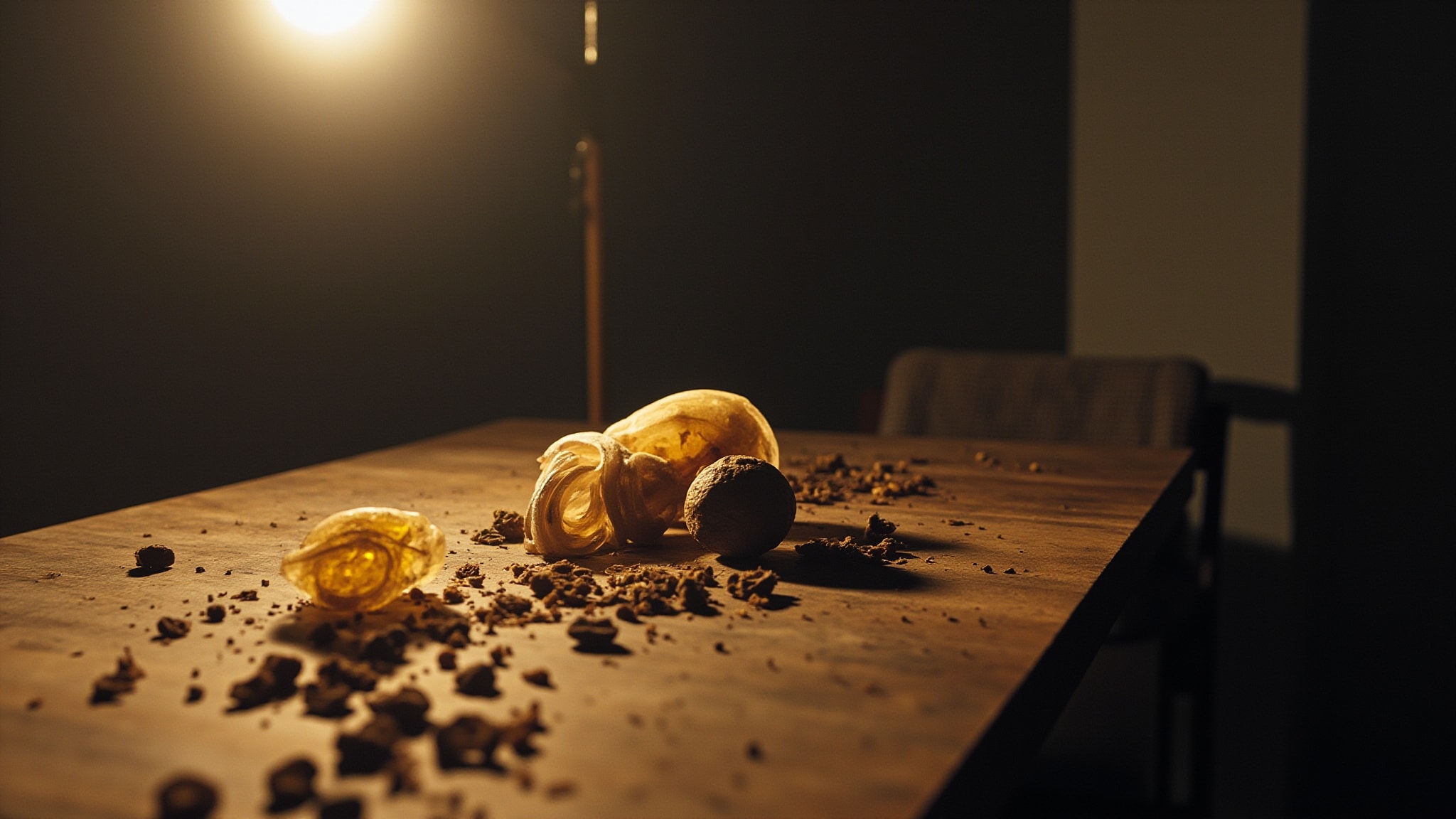
What makes this composition worth a second look is the base. It drops you into a thicket of woods: guaiac, sandalwood, cedar, patchouli, plus gurjan balsam and agarwood, with cashmeran threading through for that soft, slightly musky skin-feel. The tonka bean and vanilla add sweetness, but the woods keep pulling it back to something drier and more serious. It reads as amber because of texture and warmth, not because of sugar.
The evolution
The first minutes belong to nutmeg, sharp and almost mentholated, cutting through with a brightness that doesn't quite read as citrus. It feels like a cold morning in a warm room, a little friction there. Within thirty minutes, cypriol takes over, and the whole thing shifts register. The nutmeg fades into the woodsmoke, the dry paper-and-earth quality of nagarmotha, and you start sensing the resinous bones underneath: oud, gurjan balsam, guaiac. It smells like a room full of old books and a fireplace that hasn't been lit yet. By hour three, the vanilla and tonka arrive, but they don't sweeten the composition so much as soften it. The woods stop arguing and start blending. Cashmeran adds that suede-like quality, the sense that the fragrance is sitting closer to skin now.
Cultural impact
Ambre Boheme leans woody and smoky rather than gourmand, which gives it a different gravity from many of the sweeter ambers on the market. Seasonal vote data from fragrance communities shows a clear lean toward colder months, with fall and winter drawing the highest concentrations of wearers, while spring and summer sit considerably lower. It has been listed alongside other resin-forward compositions in similarity comparisons, and the woods-heavy structure keeps it from reading as another sweet oriental.