
The Story
Why it exists.
The beginning
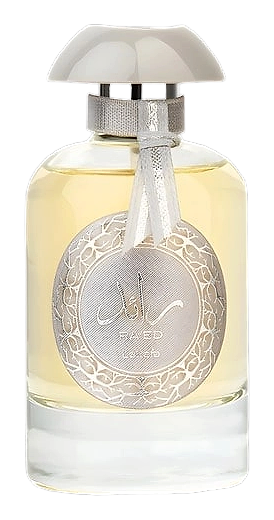
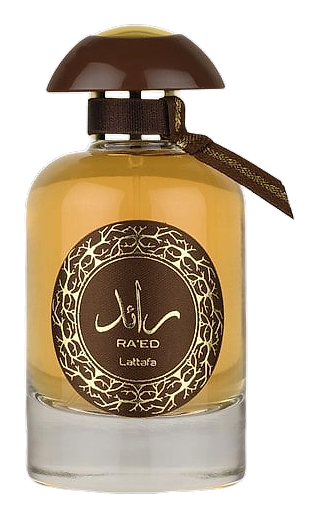
Ra'ed Oud was born from a straightforward proposition: what if Arabian oud didn't require selling a kidney? The fragrance takes the dark, resinous intensity of traditional oud compositions and strips away the barrier of exclusivity. The brief was clear: build something that smelled like it belonged in a private collection, price it like it didn't. Launched in 2021, it lands as one of the house's most direct expressions of the oud-leather-smoke triad that defines Arabian perfumery at its most uncompromising.
The pyramid is built for contrast. Top notes of saffron and bergamot create immediate brightness, but lavender keeps it from tipping into sweetness. That herbal, slightly cool quality is the first signal that this isn't a typical oud. In the heart, cypriol and incense deliver the smoky, earthy depth that gives Ra'ed Oud its character. The rose doesn't soften this into something polite, it lingers as a quiet counterpoint, there if you look for it. And at the base, leather and oud take over completely. This is where the fragrance earns its name.
The evolution
Ra'ed Oud announces itself. No subtlety in the opening, saffron and bergamot hit immediately, with lavender adding a cool herbal counterpoint that keeps the spice from overwhelming. The brightness lasts for a while before the composition shifts. Cypriol and incense take over, pushing the fragrance into darker territory. The rose appears briefly, almost as a distraction from the smoke building underneath. Several hours in, the drydown arrives. Leather and oud dominate now, their richness grounded by sandalwood's creaminess and amber's subtle glow that doesn't add sweetness. This is the phase that defines Ra'ed Oud. It lingers in fabric and on skin, settling into the fibers rather than fading away.
Cultural impact
The rise of houses like Lattafa reflects Arabian perfumery reaching broader audiences. Scents such as Ra'ed Oud offer bold, character-driven compositions that move beyond conventional formulas. The 2021 release and its reception suggest a growing appetite for scents with genuine personality rather than safe, mass-appealing options.