The Story
Why it exists.
The beginning
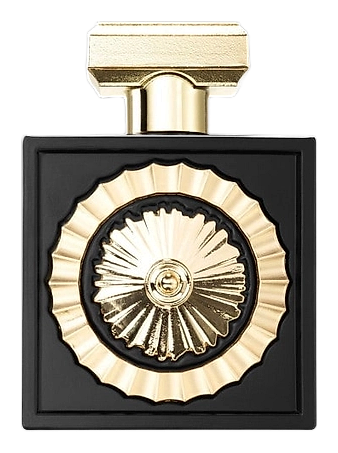
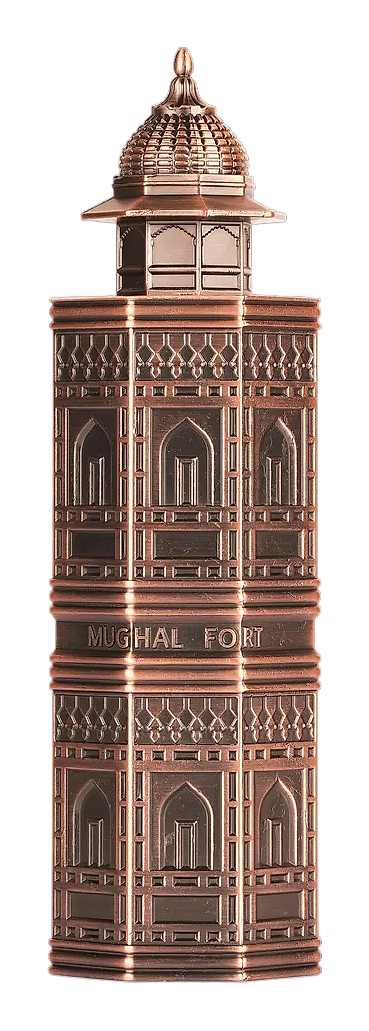
Mughal Fort takes its name from the legendary citadels of South Asia, those massive sandstone strongholds that have defined the region's architectural heritage for centuries. Lattafa's Niche Emarati collection draws from this rich cultural backdrop, building a fragrance that translates historical opulence into something you can wear. The composition takes the Arabian affinity for warmth and sweetness, then fuses it into a single 2024 statement. From the first spray, the fragrance announces itself with a confident presence that evokes the grandeur of ancient fortresses without feeling heavy or inaccessible. The spicy notes at the opening create an immediate sense of drama, while the sweeter undertones provide balance and depth.
Cardamom and pimento form the opening act of Mughal Fort, arriving with an assertive presence that makes its arrival known. They don't wait quietly in the background; they demand attention before the sweetness has a chance to feel soft. The caramel that follows adds depth and richness, weaving its way through the composition without apology. Cedarwood provides a woody foundation in the heart of the fragrance, adding structure and complexity to the overall blend. The base of musk, vanilla, and amber completes the composition, creating a warm foundation that lingers on the skin.
The evolution
Cardamom and pimento hit the skin together. The first thirty seconds are all bright, aromatic heat, the kind that prickles the back of the nose and makes you pay attention. Then the caramel begins to surface, not displacing the spice but softening its edges. By minute ten, you're in the heart: caramel sweetness wrapped around cedar wood that carries a subtle smokiness. The drydown is where Mughal Fort earns its name. Musk and vanilla settle into a warm, powdery base that stays close to the skin but refuses to leave. The longevity is above average, offering extended wear that carries through from morning into the evening. The next morning, a faint trace of amber and cedar on a shirt collar is not unusual, a reminder of the fragrance's lasting presence.
Cultural impact
Mughal Fort entered the Lattafa lineup as part of the Niche Emarati collection's expansion. The cardamom opening tends to be the element that stands out most prominently, drawing attention with its distinctive character. Wearers appreciate its warm, confident profile that offers depth and longevity without becoming overwhelming. The fragrance appeals to those who want complexity in their scent, combining multiple dimensions that reveal themselves over time. It's a release that works well across different occasions, offering versatility for those who appreciate a fragrance with substance and presence.