The Story
Why it exists.
The beginning
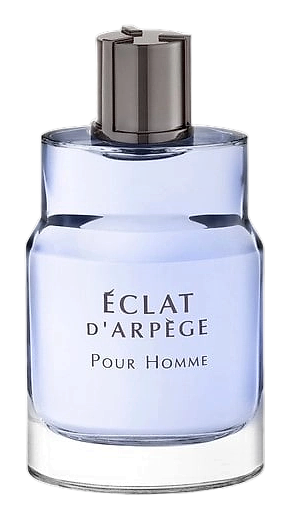
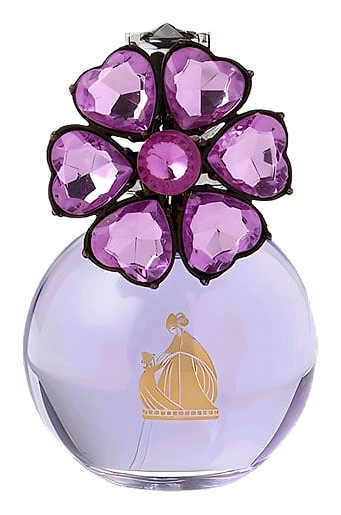
Karine Dubreuil-Sereni designed Éclat d'Arpège in 2006 as a modern interpretation of Lanvin's landmark 1927 Arpège. The original had been an uncompromising statement, Bulgarian rose, Grasse jasmine, honeysuckle, all the rarest materials money could source. The flanker would be something else: lighter, more accessible, but still unmistakably Lanvin. Dubreuil-Sereni built it around green lilac and wisteria, two botanicals that echo Arpège's floral soul without the weight. Peony and peach blossom give it contemporary sweetness, while a cedar-musk-amber base provides the warmth and longevity the original was known for. It's heritage translated for a different moment, not a copy, but a conversation across decades.
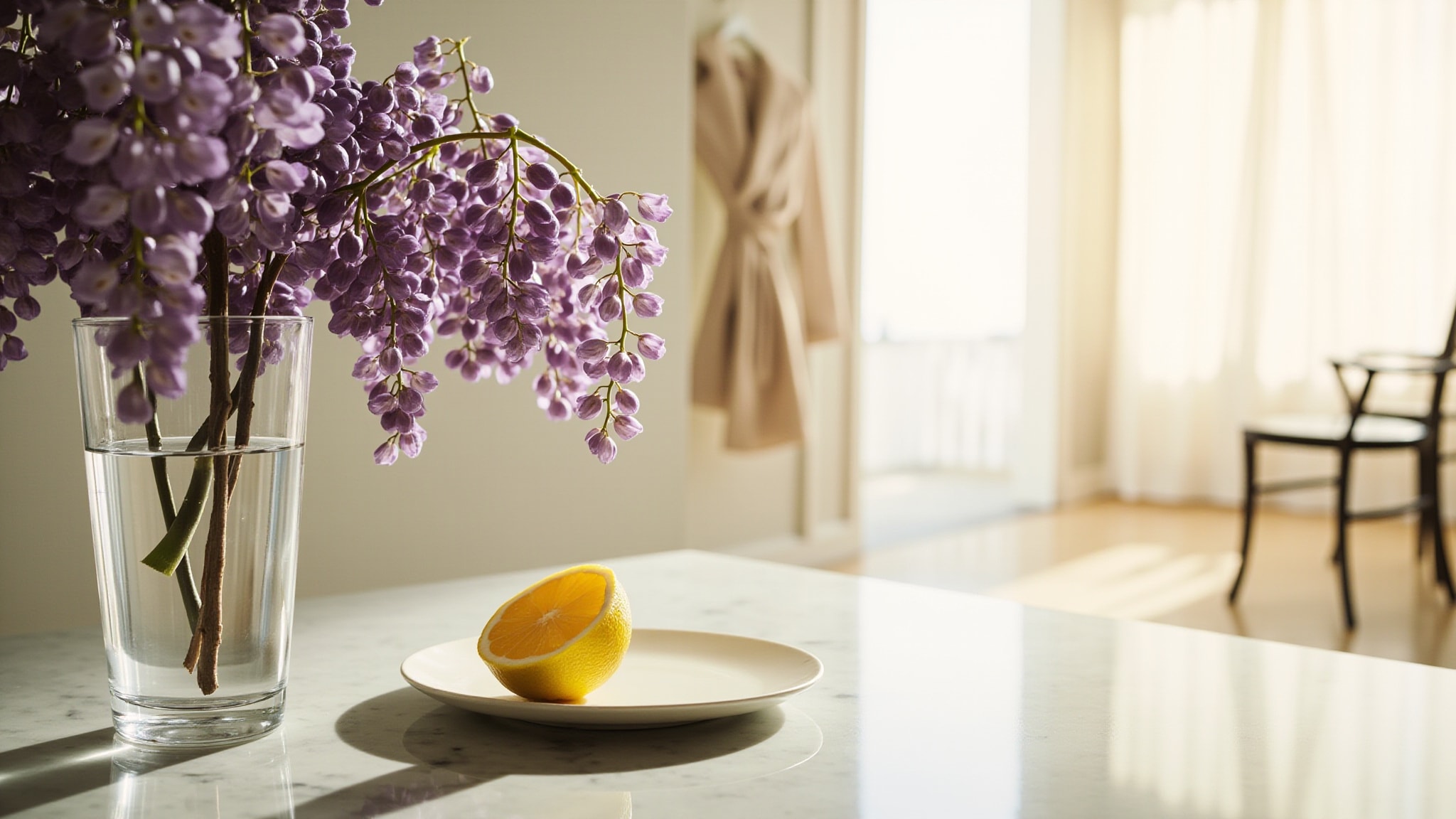
Green lilac is the surprise at the center of this composition. It reads as a bridge, familiar enough to feel safe, unusual enough to feel personal. Wisteria and peony amplify that floral quality while green tea adds a quietly bitter, almost watery counterpoint that keeps the sweetness from becoming syrupy. The composition's real achievement is the way these layers interact: lilac and tea create a tension that feels natural rather than constructed, like standing in a garden after rain. The drydown softens everything into cedar and white musk, intimate and clean, the kind of warmth that doesn't announce itself.
The evolution
The opening arrives quickly, green lilac and Sicilian lemon leaf in the first breath, a cool-green impression that doesn't linger. Within an hour, the top notes fade and the heart takes over: wisteria and peony bloom together, sweet without heaviness, peach blossom adding a soft warmth. Green tea remains present throughout the heart phase, keeping the florals grounded. The transition to the drydown is gradual rather than dramatic. Cedarwood and white musk form the structure, with amber adding warmth without weight. By the final hours, the white musk pulls the fragrance close to the skin, detectable only to someone leaning in. On fabric, the cedar and amber can last until the next morning. A clean, quiet presence rather than a room-filling one.
Cultural impact
Eclat d'Arpège has quietly earned its place as a wardrobe staple since 2006, the kind of fragrance people repurchase not because they're loyal to a house, but because it simply works. It's versatile enough for spring and summer, professional enough for daily wear, and refined enough to avoid feeling generic. The clear floral-fruity character appeals across generations: younger wearers find it as an accessible entry into quality fragrance, while those familiar with Lanvin's heritage return to it as something they trust. Arpège, the 1927 original, remains the house's legendary centerpiece, but Eclat d'Arpège has carved out its own space as the flanker that opens the door.