The Story
Why it exists.
The beginning
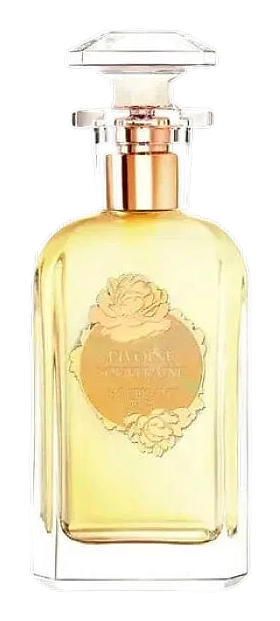
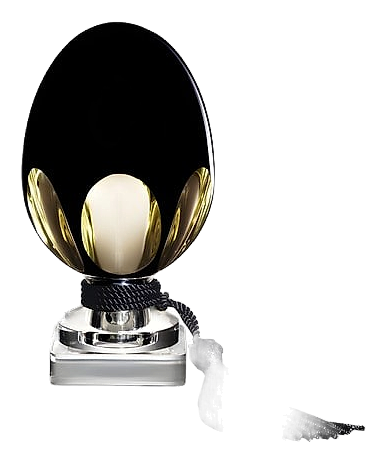
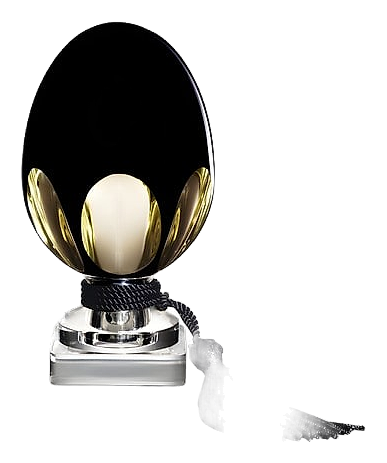
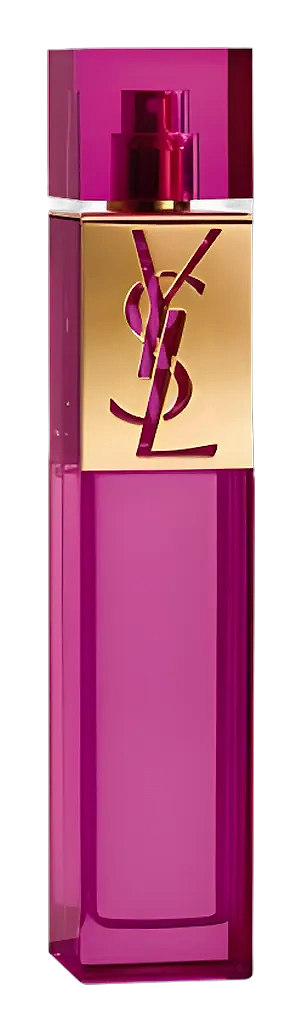
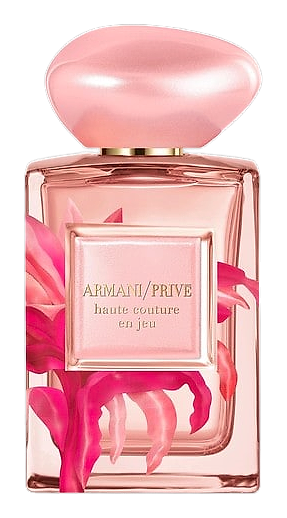
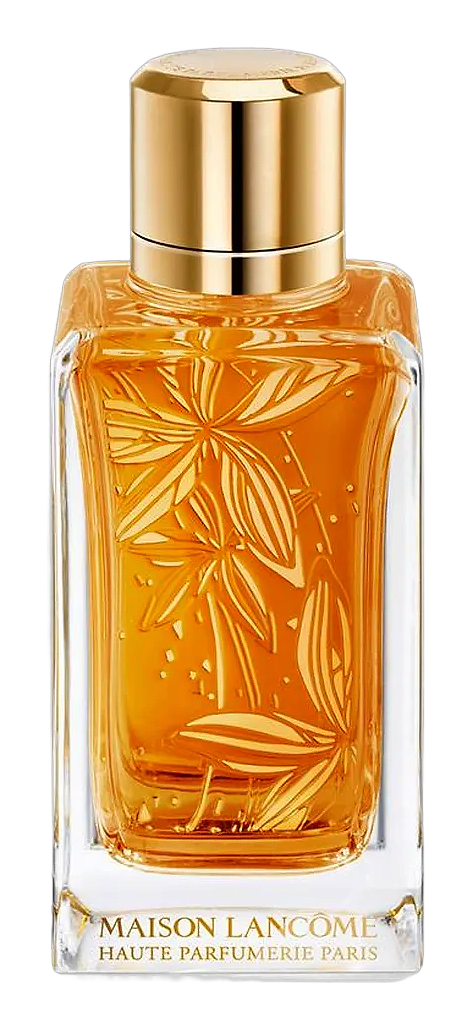
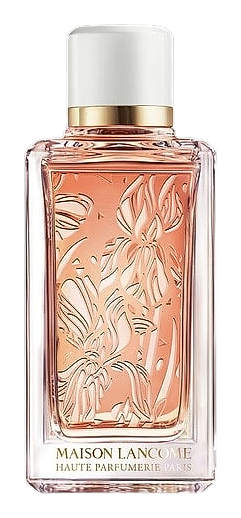
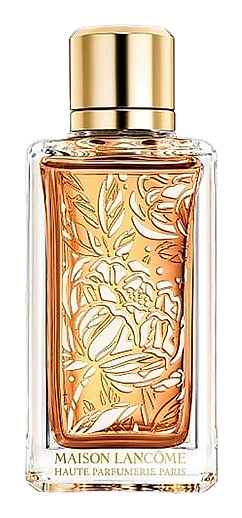
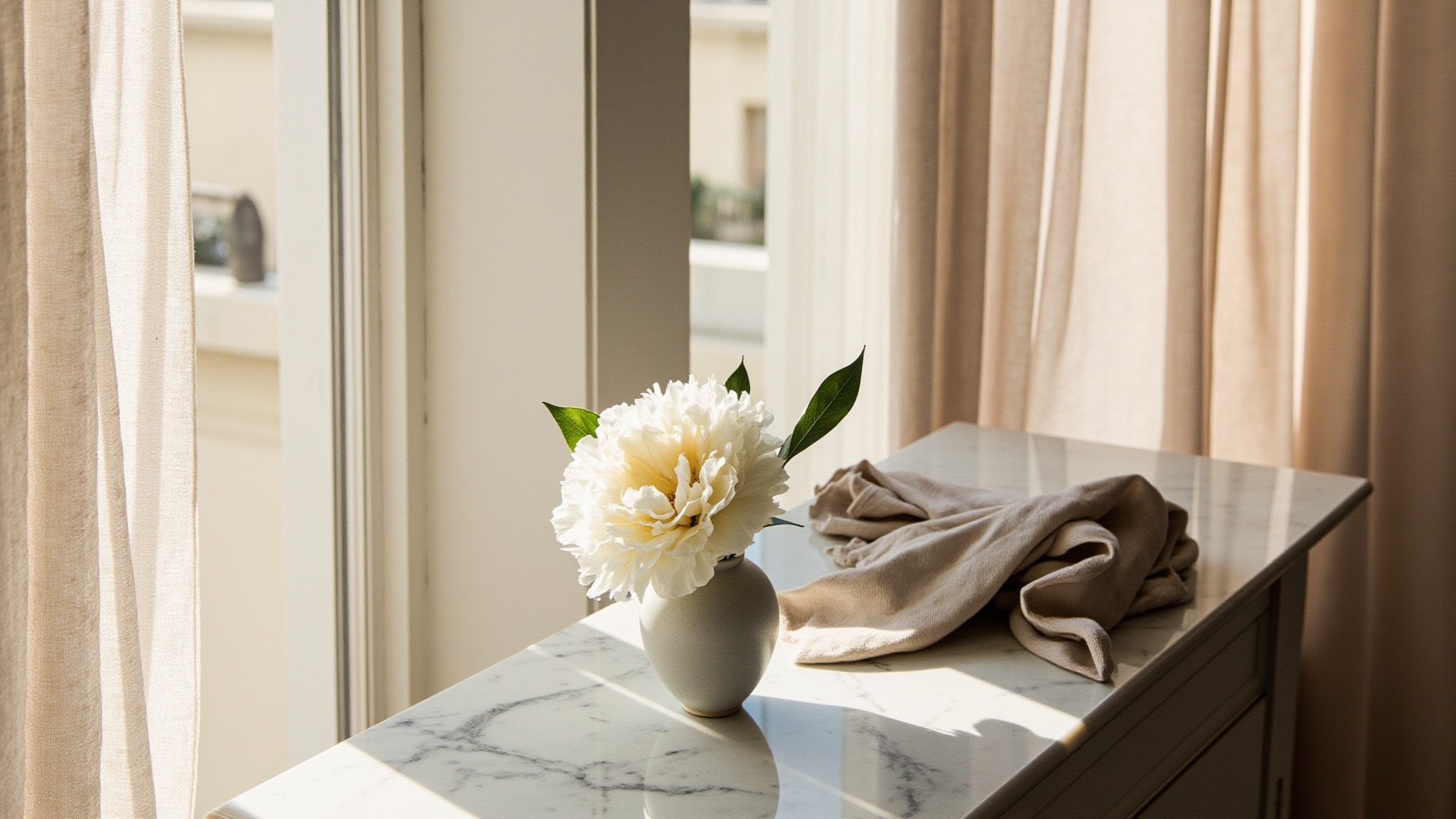
Pivoines Printemps arrived in 2019 as part of a continuing conversation with seasonal florals. The name translates directly: peonies of spring. That's not an abstraction. It's a brief. The composition reads as one of its quieter statements: a single moment in a garden, captured in glass and gold. The concept was straightforward. Take the peony, that blowsy, almost-giddy flower that defines early gardens, and build around it without drowning it. The choice here was clarity over layered complexity, then just enough architecture to keep everything from dissolving into vagueness. The peony sits at the center, pale and cool, with rose lending warmth and a faint fruitiness, while pink pepper adds a lifted snap at the edges.
Peony is a delicate material to work with, and what reaches a bottle is a careful approximation of the living bloom. That approximation is what gives this composition its particular softness: it's peony-shaped, reading more like suggestion than statement. The petals seem to float rather than press against the skin. The decision to pair the peony with rose grounds the composition in something faintly edible, a whisper of fruit preserves rather than anything overt. Then pink pepper arrives not as heat but as snap, the way cool air feels on bare shoulders in early May.
The evolution
The opening belongs to the pink pepper: a quick, bright flash that prickles at the edges of the peony, almost like the scent of stems just cut. Then it recedes, and the bouquet takes over. Rose and peony intertwine for an extended stretch, neither dominating. The rose adds depth and a faint fruitiness, almost a trace of crushed petals left in a bowl. The peony stays pale, cool, almost watery at its edges, like light filtered through a sheer curtain. As the composition settles, the sharpness gradually gives way to something quieter. What stays close is a soft, skin-close whisper of musk and floral, warm but never heavy. On fabric, it lingers with remarkable patience, holding its shape through a long afternoon and into evening. On skin, the presence stays gentle but unmistakable: enough to catch when you move, gone before it announces you.
Cultural impact
Pivoines Printemps sits in a familiar category: the spring floral, a staple that has appeared in fragrance wardrobes for decades. What distinguishes it is its commitment to lightness, a willingness to let a single flower carry the entire composition without burying it under layers of supporting notes. It doesn't try to seduce through complexity. It seduces through clarity, which makes it an easy entry point for anyone curious about how restraint can feel more generous than abundance. The fragrance also reflects a broader appetite for transparency in modern perfumery, for scents that breathe on the skin rather than smother it.