The Story
Why it exists.
The beginning
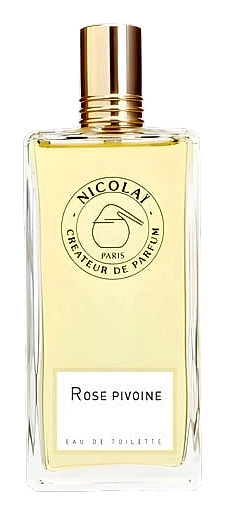
Patricia de Nicolaï has always worked from the classical playbook. Rose Pivoine, released in 1998, is what happens when a Guerlain-trained nose builds a fragrance around one idea: the soliflore. Not a rose fragrance that hints at other things, a study in what rose actually smells like when you commit to it. Nicolaï's house had already established itself by then as the home of compositions with real structure, not decoration. Rose Pivoine fits that lineage: nothing unnecessary, nothing performative. Just the flower, dressed properly.
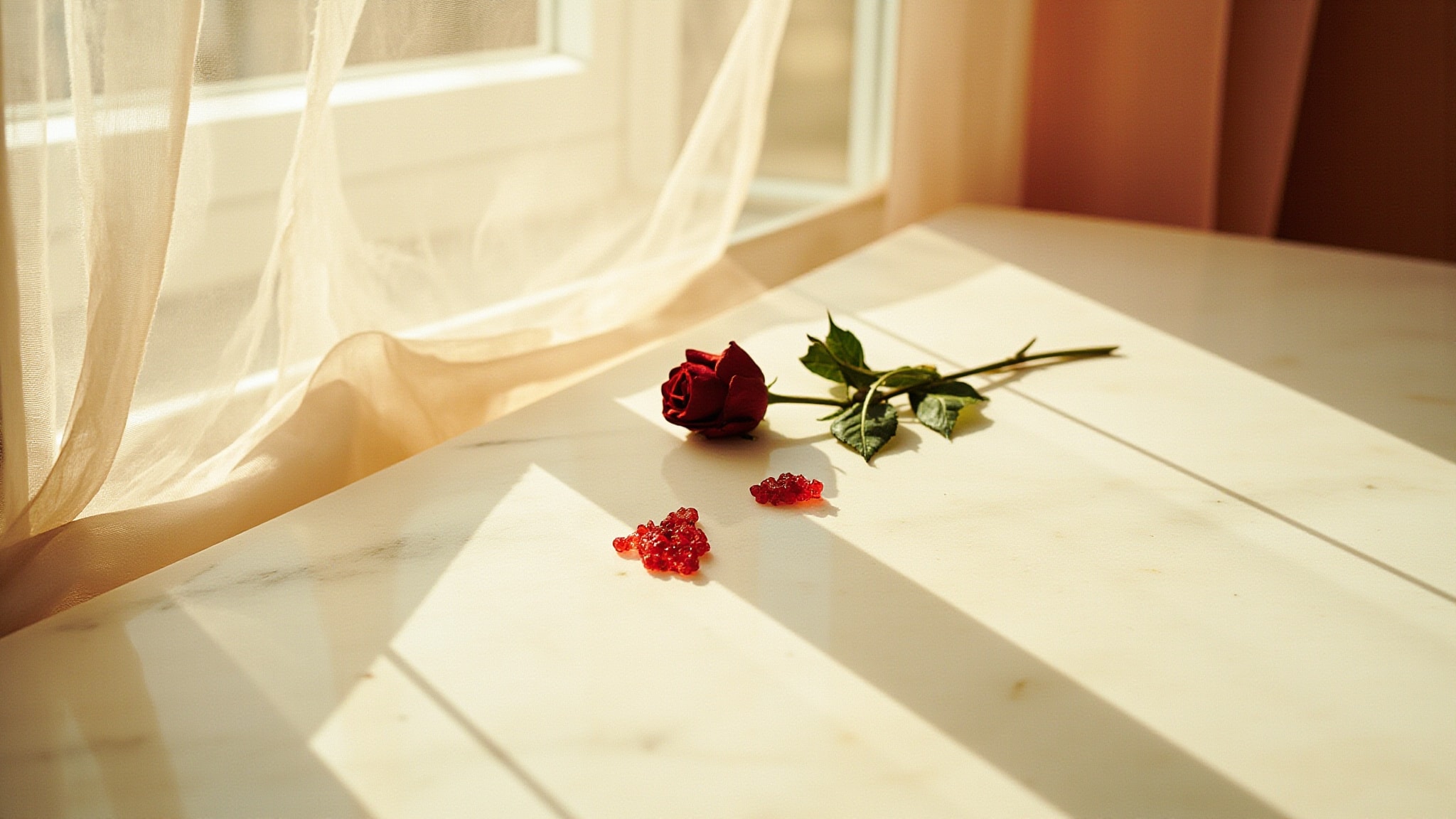
What makes this one interesting isn't the rose itself, it's the company it keeps. Bourbon geranium brings an herbal edge that keeps the sweetness honest. Chamomile adds a softness that reads as slightly medicinal, the way real chamomile smells when you crush the heads between your fingers. The base of musk and woody notes doesn't try to fix anything or add drama. It simply extends the rose's lifespan. The red berries in the top are the freshest note in most people's experience of the fragrance, that brief, bright opening that makes the whole thing feel like it was just picked.
The evolution
Red berries hit first, tart, almost juicy, like crushed currants. Thirty seconds in, the rose starts pushing through. Not a gentle arrival. The Turkish rose absolute means business. Geranium follows, giving the floral heart an herbal counterpoint that keeps things grounded. Chamomile floats somewhere in the middle, adding that slightly medicinal, slightly sweet undertone that distinguishes it from a straightforward rose. The peony, which enthusiasts lists as a heart note, reads more as texture than a separate smell: it softens the edges. By the third hour, the woody-musky base takes over. Musk becomes skin-close and warm. The rose doesn't disappear, it settles, becoming part of the wearer's own scent rather than something applied. On fabric, it lasts into the next day as a quiet, dusty whisper.
Cultural impact
Rose Pivoine arrived in 1998 as a soliflore in an era when complexity was the default ambition. Rather than layering note upon note to create intrigue, Nicolaï chose the simplest possible premise: a study in rose. The gamble paid off, it's been in continuous production since launch, which is rare in independent perfumery. Wearers who return to it describe it as a reference point: the smell of rose done honestly, without performance. It's the fragrance people reach for when they want to smell like flowers, not like a concept of flowers.