
The Story
Why it exists.
The beginning
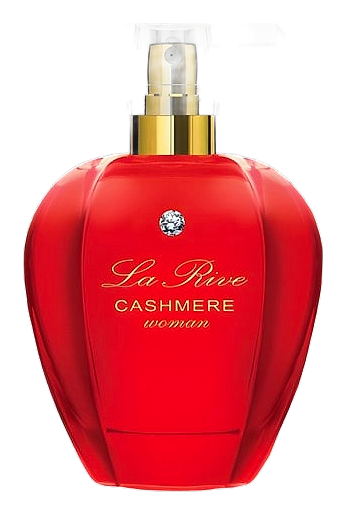
Cashmere was designed around a single idea: the comfort of softness. Not the aggressive sweetness of a crowd-pleaser, but the quiet warmth of something worn close to the skin. The Polish house built this fragrance for the wearer who wants warmth without weight, powder without the dust, sweetness without the sugar crash. It's cashmere in name and, they hope, in feeling.
The powder-warm character comes from pairing iris with vanilla, a classic combination that produces that characteristic soft, slightly floury quality associated with cashmere fabric. Heliotrope and jasmine deepen the sweetness without pushing into heaviness. The real structure is in the caramel-benzoin pairing at the base, which gives this its body without sacrificing the skin-close intimacy that makes it wearable.
The evolution
The opening hits soft, iris powder, vanilla's warmth, jasmine's quiet lift. Nothing announces itself. For the first few minutes, the fragrance exists at skin temperature. Then heliotrope and caramel arrive, blending into something edible, something worn close. By the time the heart settles, the scent has become skin-warm and intimate. The drydown is benzoin and musk, sticky-warm resin, clean skin closeness. This is where it lives longest, but never far from the surface. The whole arc takes a few hours and ends quietly. Not dramatic. Not demanding. The thing that stays close.
Cultural impact
Cashmere earned a quiet reputation as a reliable Prada Candy alternative, affordable, warm, and wearable. The 3-4 hour longevity keeps it in intimate territory rather than room-filling projection. It's the kind of fragrance you reach for when you want comfort without performance. Those who wear it tend to reach for it again.