The Story
Why it exists.
The beginning
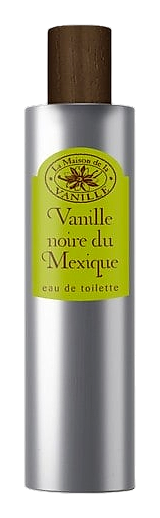
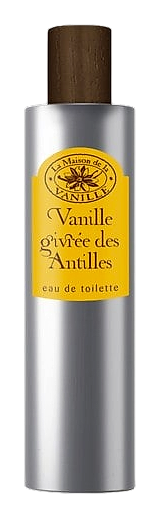
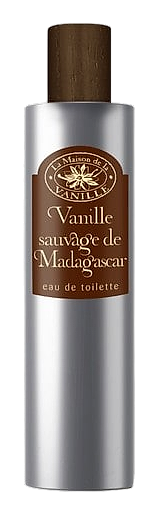
The name says everything. Vanille Sauvage de Madagascar is vanilla as it exists in the wild, before it becomes something soft and safe. The vanilla from this island carries a particular depth that distinguishes it from other origins, a quality that reveals itself even before the fragrance opens on skin. Madagascar's vanilla brings a complexity that sits between sweetness and something more grounded, something that rewards patience and close attention. La Maison de la Vanille treats each vanilla origin as a distinct terroir, building a fragrance around what makes that place's vanilla specific rather than generic. Madagascar arrived in the collection as part of Les Vanilles des Origines, approached with the same philosophy the house applies to all its origins.
What makes this composition work is the restraint at the top. Bergamot and lavender arrive together, cool and herbal, and for the first hour they hold the vanilla back. It isn't sweetness first, it's structure. The bergamot gives it somewhere to stand before the warmth arrives. The heart introduces labdanum, a resinous cistus absolute that bridges the cool opening and the warm base without ever announcing itself loudly. Coriander adds a quiet spice that keeps the floral notes from becoming too delicate, too soft, too simple.
The evolution
The opening is a negotiation. Bergamot and lavender arrive sharp, almost astringent, and the composition reads as herbal and cool, more aromatic than sweet. The vanilla is there, present in the background, but it hasn't committed yet. As the fragrance moves forward, the labdanum and coriander begin to assert themselves. The herbal quality softens into something resinous and warm. The coriander adds a subtle spice that keeps the heart from becoming too soft. This middle phase carries the composition toward its more interesting moments, where the warmth has arrived but the incense hasn't yet fully arrived. The drydown takes its time. Sandalwood and vetiver arrive together, woody and slightly bitter, and the incense rises to meet them. This is where the Madagascar character shows itself, smoky, resinous, almost dark. The vanilla doesn't disappear.
Cultural impact
Vanille Sauvage de Madagascar occupies a specific corner of the niche fragrance world: the grown-up vanilla that refuses to be a comfort note. Released in 2005, it arrived at a moment when vanilla in perfumery was still largely misunderstood by those outside the field, treated as a background note rather than a capable center. For those who find most vanilla fragrances too sweet or too linear, this composition offers something different, structure, smoke, and a geography lesson in a bottle.