


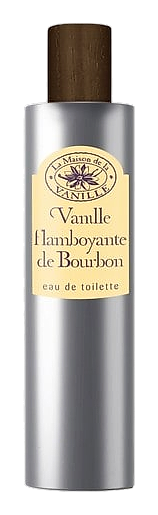

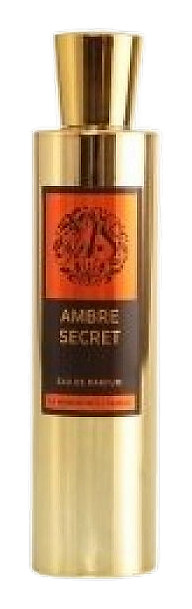
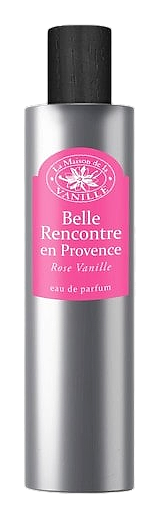


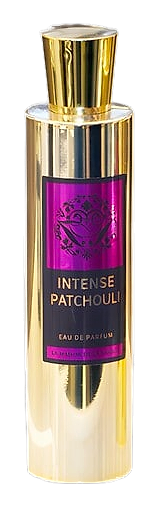
Heritage
A house, in its own words
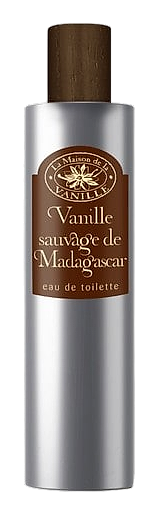
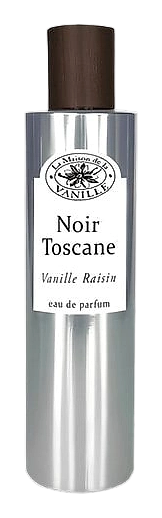
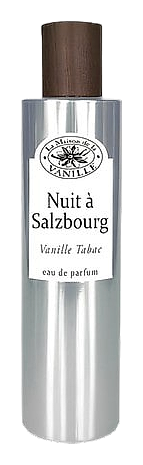
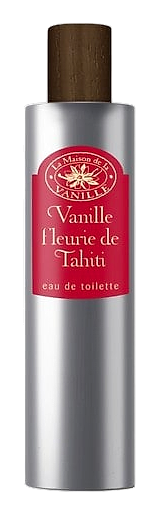
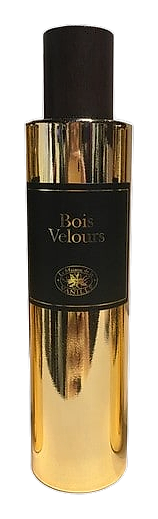
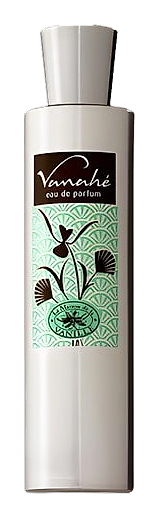
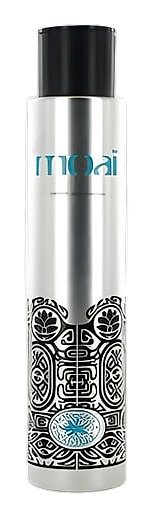
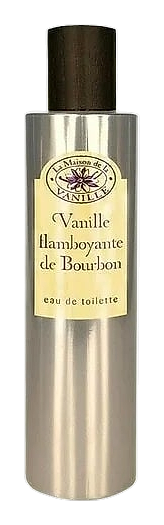
The origins of La Maison de la Vanille trace to the early 1990s when Aldo Bielli, working primarily as an oenologist, began applying his knowledge of aromatic complexity from wine to perfumery. Sources indicate the house was established in either 1994 or 1996, with multiple third-party retailers citing 1996 as the founding year. Bielli reportedly developed his fragrance knowledge partly through commissions for major brands before launching his own label focused specifically on vanilla. The house released Moai in 2000, one of its earliest documented fragrances, followed by Vanahé in 2006. A significant milestone came in 2007 when the house launched its first fragrance specifically marketed toward men, expanding beyond its initial audience. The brand continued releasing new work through the 2010s, with multiple collections in 2017 including Noir Toscane, Nuit a Salzbourg, Arty Positano Vanille Fleur d'Oranger, and Bois Velours. Unlike perfume houses with generations of family perfumers, La Maison de la Vanille represents the vision of a single creative figure whose dual background in wine and fragrance informed a distinctive approach to material selection and composition. La Maison de la Vanille operates from a narrow but deep premise: that vanilla deserves the same serious treatment accorded to rose or oud in classical perfumery. Rather than using vanilla as a supporting accord or comfort note, the house positions it as the protagonist of each composition. This approach requires Bielli to explore vanilla's full range, from the dark, smoky qualities of Mexican vanilla to the lighter, floral aspects of Tahitian stock. The oenological background of the founder reportedly influences this work, with an emphasis on terroir, origin specificity, and how growing conditions shape aromatic outcomes. The house appears to value restraint over projection, crafting fragrances meant to reveal complexity gradually rather than announce themselves. There is no stated ambition to expand into cosmetics or lifestyle products, suggesting a focused commitment to the perfume form alone. The brand's independence from major parent companies allows for creative decisions based on artistic rather than commercial considerations, though this also means limited distribution compared to designer labels.