
The Story
Why it exists.
The beginning
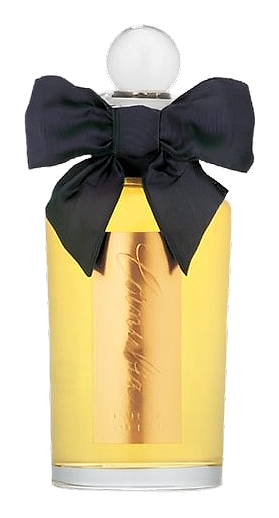
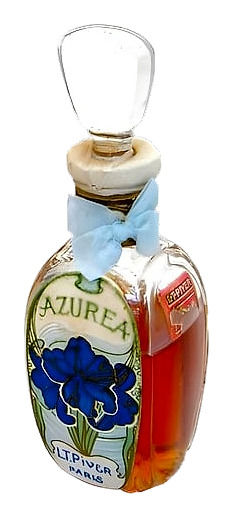
The Belle Époque was a time when perfume houses were turning fragrance into art, and L.T. Piver's catalogue included Azurea, a composition credited to the firm's perfumer-chemists, with sources indicating collaboration between Pierre Armigeant, listed as a chemist and perfumer, and George Darzens, identified as a chemist. Their partnership produced a composition that, rather than following the prevailing taste for heavy, dense florals, chose a lighter approach, delicate, fleeting, almost reluctant to commit. The bottle design is credited to Cristalleries de Baccarat, the same glassworks associated with the grandes maisons of French perfumery. Piver was not making a modest, provincial perfume. They were making one worthy of the same glass as the grandes maisons.
What makes Azurea structurally interesting is what it leaves out. Many floral fragrances of the period leaned heavily on base notes, amber, musk, vanilla, sandalwood, to anchor the composition and give it weight, and Azurea takes a different path. The accord reads as a near-pure floral with citrus lift and a touch of spice, with the top notes offering citrus brightness, the heart holding a classic rose-led floral, and the spices that surface giving it a dry, almost powdery warmth. It's an exercise in restraint, delicate and quiet in a way that feels almost counterintuitive for the period.
The evolution
The first moments are the brightest, citrus oils warming on skin and releasing a clean, almost sharp floral light. As the composition develops, the citrus recedes and the rose takes over, joined by the other florals that make up the heart, a soft, rounded sweetness that smells like pressed petals between book pages. The spice comes through eventually, adding a dry, almost papery warmth that keeps the sweetness from going cloying. What happens next depends on skin. On some wearers the fragrance fades significantly after a few hours, leaving only a trace of warm floral musk. On others it holds a soft skin-scent through the later hours, a faded version of itself but recognizably Azurea. There is no heavy base anchoring this. The drydown is as quiet as the rest, and the next morning you might catch a ghost of it on a scarf, powdery, floral, distant.
Cultural impact
Azurea sits in an unusual corner of fragrance history. It belongs to a category of early-20th-century French florals that collectors and vintage fragrance enthusiasts seek out, not because it revolutionized the genre, but because it represents a softer, more intimate path that the era largely abandoned. Production was apparently discontinued, and the fragrance now survives mainly through the secondary market, where vintage bottles occasionally surface. It has the quiet gravity of something most people have never encountered, and its scarcity only adds to its mystique.