The Story
Why it exists.
The beginning
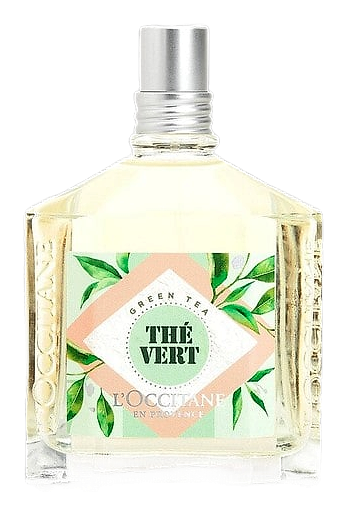
Thé Vert arrived in 2017 as part of L'Occitane's Les Classiques collection. The perfumer worked with mate and green tea extracts to capture that herbal, slightly bitter quality that distinguishes real tea from its fruity, sugary imitations. Bitter orange opened the composition as a citrus anchor, closer to the peel than the juice. The aroma carries a crisp, green character that evokes the experience of standing near a tea plant, with the bitter edge of actual tea leaves rather than the sweet impressions often associated with tea-scented products. There's a clarity to the opening that feels fresh without being watery or artificial. The result is a fragrance named for the thing it actually smells like.
What makes Thé Vert unusual is the inclusion of mate alongside green tea. Mate carries a different kind of green: more bitter, slightly smoky, more reminiscent of dried leaves than fresh stems. Combined with green tea, it gives this fragrance a herbal backbone that adds depth and complexity. The base of thyme and cedar reinforces a dry, Mediterranean quality, neither aquatic nor ozonic. There's a warmth to the cedar that prevents the composition from reading as simply fresh or fleeting.
The evolution
The opening makes an immediate impression: bitter orange arrives sharp and direct, almost citrus-pith in its intensity. Shortly after, the green tea and mate emerge, herbal and slightly bitter, with the mate contributing a dusty, hay-like quality that enriches the overall character. The transition is gradual rather than dramatic, the citrus receding as the herbal heart takes space. Over time, thyme and cedar arrive to anchor the composition. The drydown settles into warm cedar wood with a thread of musk, the herbal quality fading to something cleaner and almost powdery. The overall evolution unfolds across several hours, with the base notes lingering as a soft, close-to-the-skin warmth that remains intimate rather than projecting.
Cultural impact
Thé Vert leans herbal and bitter, a departure from sweeter green tea interpretations. It belongs to L'Occitane's broader Les Classiques collection. The fragrance appeals to wearers who appreciate its restraint and authenticity, crafted for those drawn to genuine herbal character rather than easily accessible sweetness. The composition avoids the honeyed, wellness-adjacent associations that often accompany tea fragrances, offering instead something with more complexity and fewer concessions to popular taste.