The Story
Why it exists.
The beginning
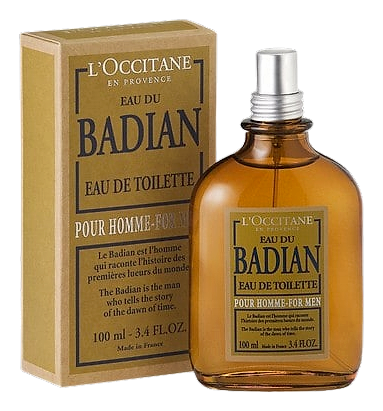
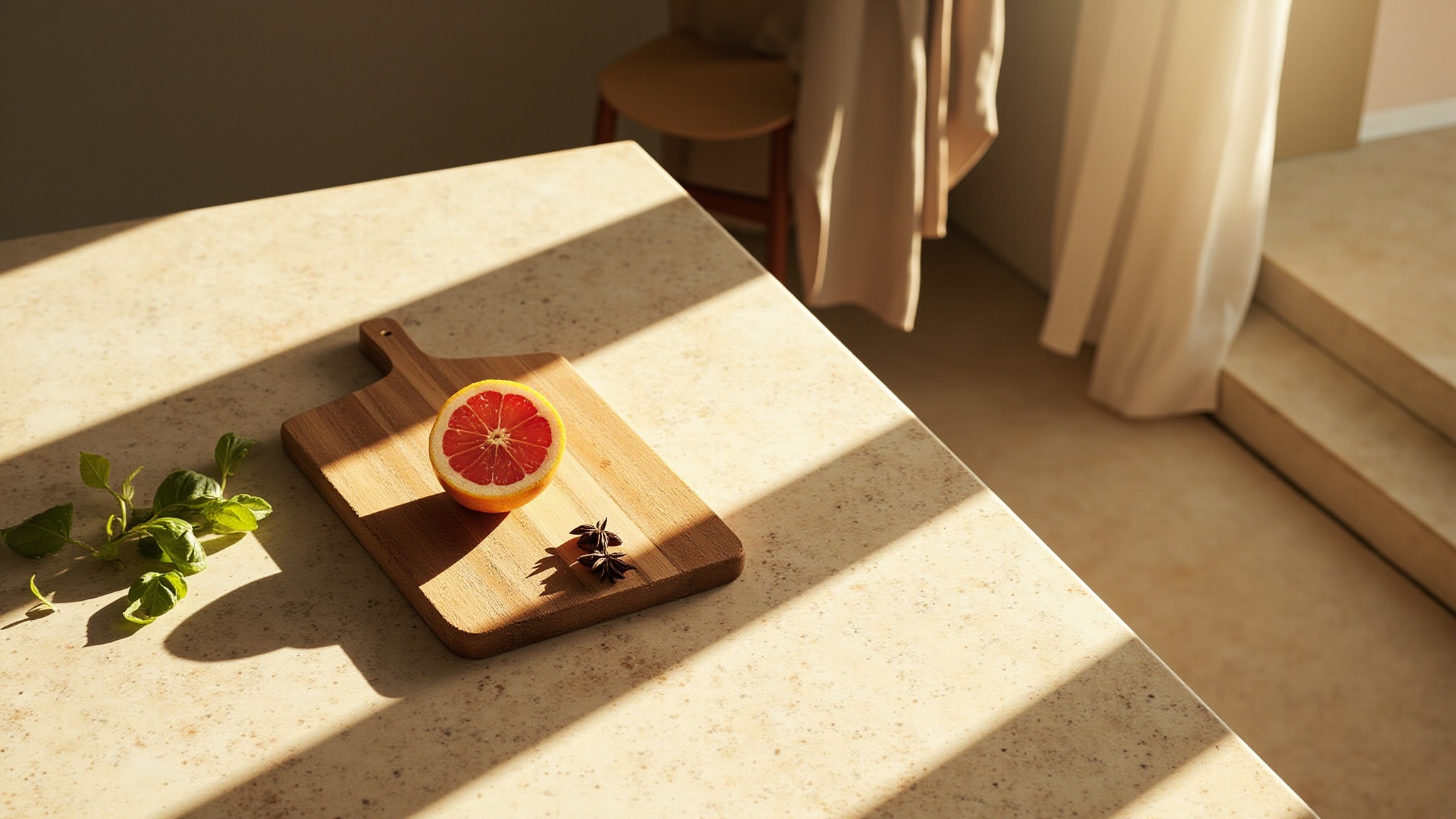
Eau du Badian takes its name from the star anise tree, badian in French, a botanical that grows across Southeast Asia but found its way into Provençal perfumery through L'Occitane's commitment to honest, place-driven ingredients. The fragrance arrived in 1999, a period when the house was exploring how to translate unexpected botanicals into compositions that felt rooted in the Mediterranean landscape rather than bolted onto it. The brief was simple: take something distant and make it feel like it belonged on a hillside in Manosque. Grapefruit and basil provided the Provençal anchor. Star anise gave the fragrance its name and its character. What emerged was a citrus-aromatic that didn't behave like the others.
The pairing of star anise with fig is the composition's quiet gamble. Aniseed notes carry a certain risk, they can read as medicinal, as licorice candy, as something that belongs in a throat lozenge rather than on skin. But fig's lactonic softness intervenes at exactly the right moment, wrapping the star anise in a sweetness that prevents it from going sharp. The result is a middle phase that feels almost edible without becoming dessert. Meanwhile, clary sage and mate anchor the base in an herbal warmth that is unmistakably Mediterranean, tea-like, slightly bitter, the kind of smell that lingers on skin long after the citrus has faded. This is not a fragrance built for performance.
The evolution
The opening is all citrus clarity, grapefruit's tart brightness hitting before basil's green edge arrives to ground it. Blackcurrant adds a wine-like depth that prevents the whole thing from reading as generic fresh. For the first thirty minutes, it's an aromatic citrus that any competent fragrance house could produce. Then the star anise announces itself. Not loudly. It slips in under the fig's sweetness, bringing a quiet licorice quality that shifts the composition's center of gravity. The citrus doesn't disappear, it softens, becomes a memory rather than a statement. By the second hour, coriander's spice is the only remaining sharpness, and even that is muted. What's left is mate and clary sage: a dry, herbal warmth that feels like late afternoon light on warm stone. On fabric, the base notes last for days. On skin, expect six to eight hours before the fragrance becomes a whisper. The evolution is not dramatic. It's the slow shift from morning brightness to evening calm, and it's exactly what a 1999 Provençal aromatic should be.
Cultural impact
Eau du Badian arrived in 1999 as L'Occitane was expanding beyond its oils-and-skincare origins into a full fragrance house. The use of star anise, an ingredient more common in cooking than in perfumery at the time, reflected a house willing to take botanical risks. The fragrance didn't chase the aquatic or spicy trends dominating men's fragrance in the late nineties. Instead, it offered something quieter and more rooted: herbs over florals, Provençal craft over commercial calculation. That choice aged differently than a safe aquatic would have.