The Story
Why it exists.
The beginning
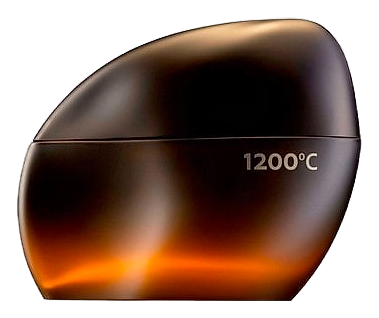
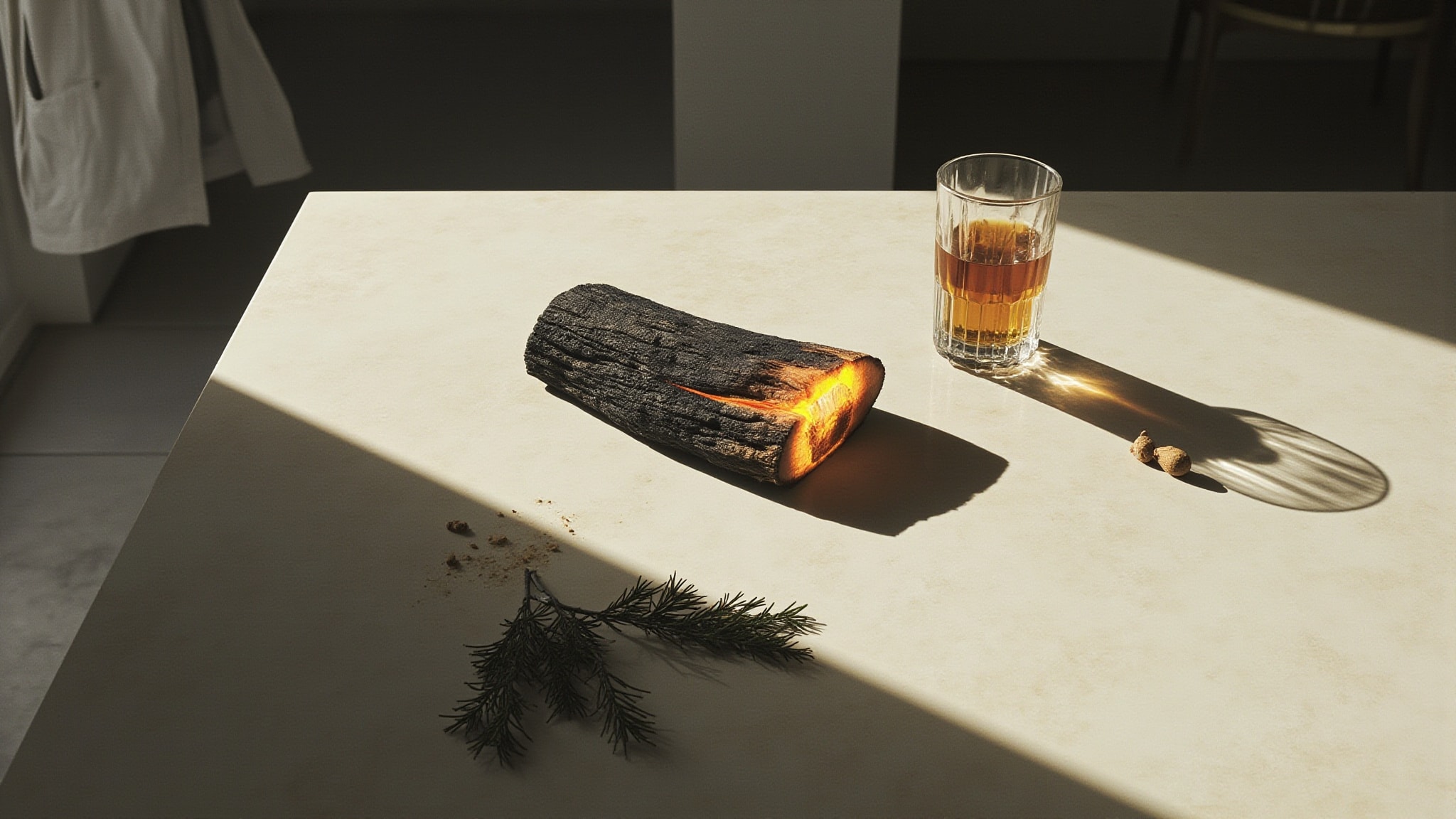
The brief was simple in the way only difficult things can be: capture the exact moment heat becomes irresistible. Not warmth, heat. The kind that radiates. Perfumer Richard Herpin took the assignment in 2011 and did something unexpected. He started cold. Pine and juniper arrive first, sharp, clean, almost clinical in their precision. Then Kaffir lime adds a tropical, almost green edge that most masculine fragrances sidestep entirely. The heat builds from there, deliberate, inevitable.
What makes 1200°C work is its refusal to arrive on time. The cognac and cinnamon in the heart don't rush the pine, they wait. Frankincense and nutmeg layer in like a slow exhale, giving the composition its balsamic spine. The base is where patience pays off: patchouli and tolu balsam ground the warmth without sweetening it. Amber and labdanum add resinous depth. Brazilian rosewood keeps it from getting heavy. Musk threads through everything, close and persistent, like heat you can feel on someone else's skin two feet away.
The evolution
First hour. Pine and juniper. Clean in a way that borders on astringent, the scent of sharp air before sunrise. The Kaffir lime is the quiet distinguisher here, lending an aromatic green quality that separates this from a dozen other coniferous openings. Then the handoff: cognac swells, frankincense follows, and suddenly the cold is gone. The drydown is the whole point. Amber and patchouli settle low, smoky and warm, with labdanum adding a faintly leathery resin that holds everything together. On fabric, this lingers past eight hours. On skin, it softens but doesn't vanish. The next morning: faint traces of amber and smoke, like a room someone just left.
Cultural impact
1200°C stands as an outlier in Latin American perfumery, a fragrance that rejected the region's typical restrained approach in favor of maximum impact. Launched in 2011 by L'Bel under the Peruvian Belcorp group, the scent arrived during a period when regional fragrance houses largely played it safe, favoring familiar accords over bold experimentation. The name itself, 1200 degrees Celsius, the temperature at which wood ignites, announced its intentions without ambiguity. This declarative naming strategy set it apart from competitors who relied on abstract or poetic titles.