The Story
Why it exists.
The beginning
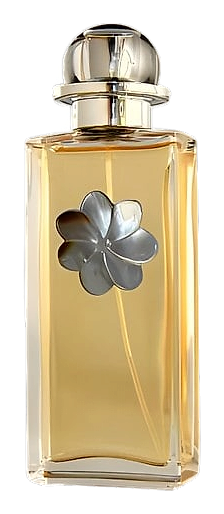
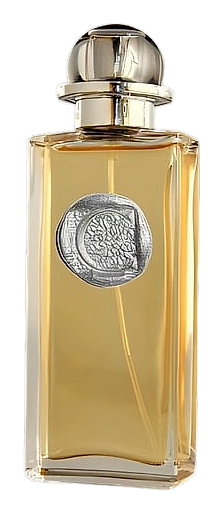
Cyclamen arrived in 2009, composed by Crystelle Darchicourt. Her approach here is restraint over ornament, and the name points to the flower itself: cyclamen, with its swept-back petals and pale pink-white coloring, a bloom that prefers shade to spotlight. That sensibility runs through the whole composition. Darchicourt builds the fragrance around a sense of space rather than density, letting air move between the notes instead of crowding the formula with heavy florals. You can sense her hand in what gets left out as much as in what gets included, and the result feels deliberate without ever showing its work. The opening is soft, almost hesitant, like a petal folding back from the stem rather than unfurling with confidence.
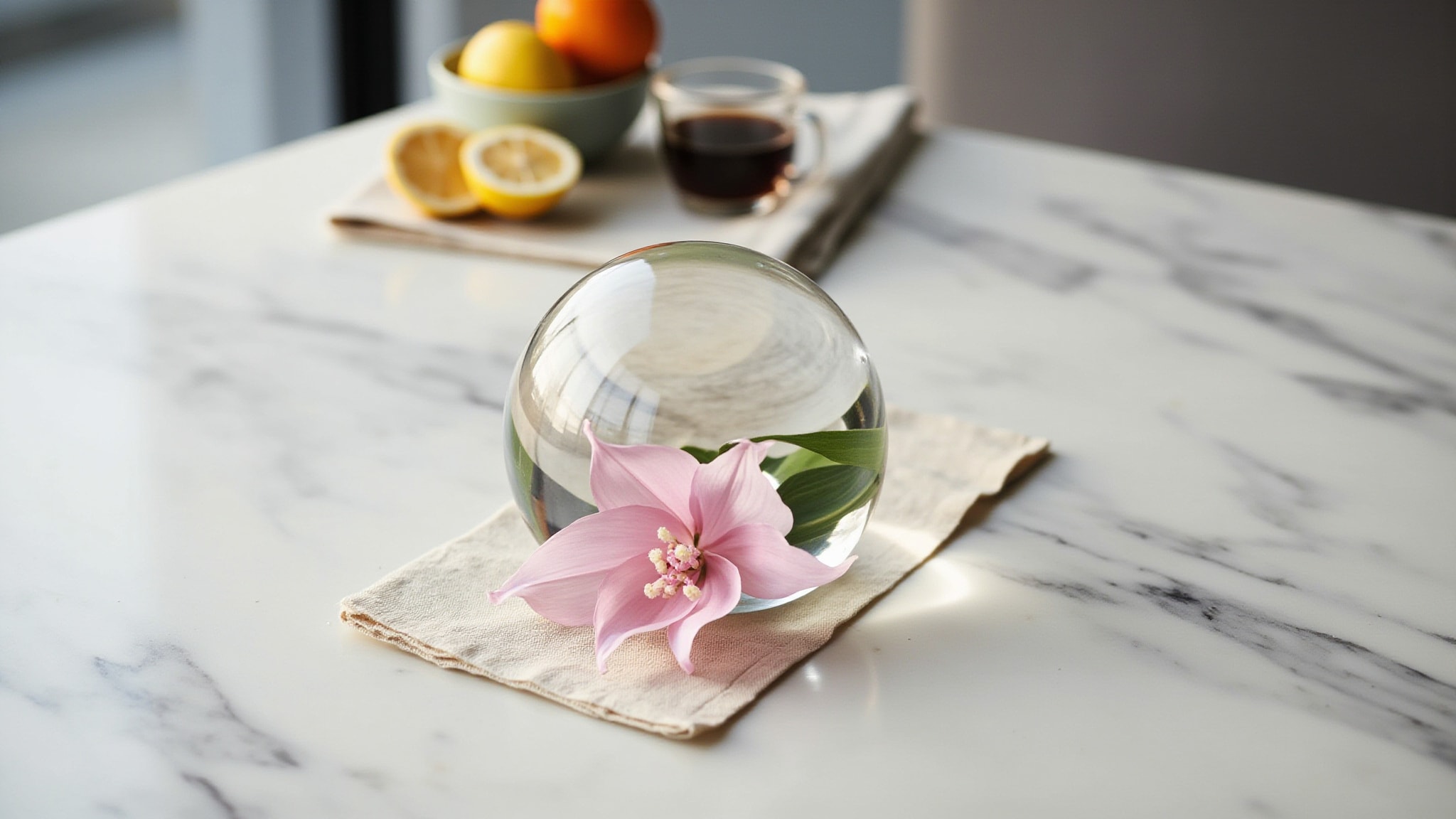
What makes the structure interesting is what Darchicourt chose to leave out. The heart stays thin, almost translucent: cyclamen and rose, with lily of the valley adding that dewy green sweetness. The cyclamen reads cool and watery, not powdery, and the rose beneath it is a suggestion rather than a full bloom, more like the memory of petals pressed between pages than anything freshly picked. Lily of the valley threads through with a green stem note, crisp and slightly bitter, the kind of green that reminds you of new leaves after rain.
The evolution
The first 15 minutes belong to Amalfi lemon and tangerine, and they show up clearly, bright and slightly sweet, the way citrus peel smells when you score the rind with a thumbnail. Within the half hour those peel back hard. The heart isn't a dramatic entrance. It just arrives: cyclamen's cool green floral, a thread of rose (not the jammy kind, the kind that still has thorns on it), and lily of the valley doing what it always does, which is smell like April. The three stay woven together for another couple of hours. Then the musk shows up, and it's the only thing that shows up. By hour four or five, that's all that's left. A clean, almost cold musk on skin that smells like the hour after a shower, not the hour before one. Nothing about it develops dramatically. It just quiets down until it's barely there, which is exactly when some people will find it most compelling.
Cultural impact
Cyclamen occupies a particular kind of space in the floral wardrobe: it asks very little of the wearer. There's no projection that fills a room, no sillage that announces your arrival, no dense white floral heart that drowns the person wearing it. Instead, it sits close, cool and translucent, the way a real cyclamen flower might rest on a shaded windowsill, present without performing. For wearers who want a white floral that reads softly, that moves with the skin rather than against it, this becomes a quiet reference point.