    Home/Brands/L'Atelier Boheme

    L'Atelier Boheme

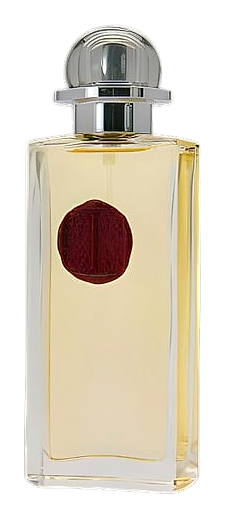
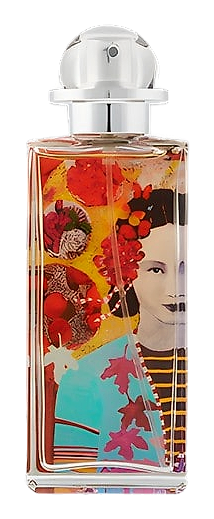
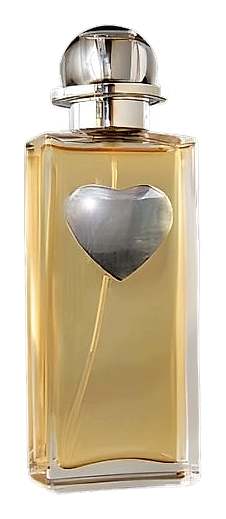
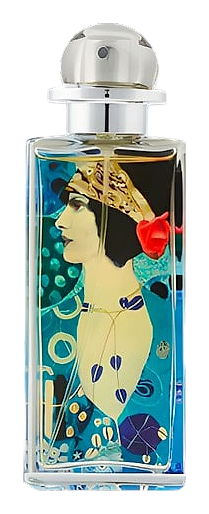
    L'Atelier Boheme is a niche fragrance house whose catalog reads like a walk through garden and memory. The brand created a series of distinctive scents from 2006 through 2014, including To Vahine, Helianthe, La Tete Dans Les Etoiles, and Clementine Aux Papillons. Each fragrance title suggests a poetic sensibility, drawing from nature, place names, and personal imagery. The house operated during a period when independent perfumers were establishing new creative territories outside the major commercial fragrance houses. While public documentation about the brand's founding and operations remains limited, the fragrance names themselves reveal an approach to perfumery that prioritizes atmosphere and narrative over conventional categorization.

    France
    10
    Fragrances
    3.6
    Avg rating
    Shop the collection
    SignatureKafeine
    Kafeine
    EDP
    Community
    3.6
    Average rating
    across 10 fragrances
    Collection
    10
    Fragrances and counting

    Heritage

    A house, in its own words

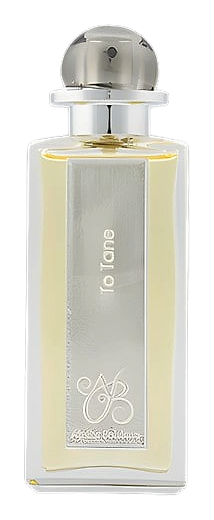
    Limited verifiable information exists about the founding and early history of L'Atelier Boheme. The brand appears to have been active primarily during the late 2000s and early 2010s, a period when niche perfumery was gaining significant momentum in France and internationally. The house released a succession of fragrances beginning with To Tane in 2006, followed by To Vahine and Kafeine in 2008, and continuing through releases such as Fil de Soie (2008), Rhizomes (2009), Alice (2012), Helianthe (2008), La Tete Dans Les Etoiles (2013), and La Pensees De Violette (2014). This output pattern suggests a focused creative direction, with the brand developing a relatively compact catalog rather than pursuing mass-market expansion. The French-language naming convention throughout the collection indicates a commitment to Francophone cultural references, even as the scents themselves reportedly incorporated ingredients and inspirations from diverse geographic sources. The fragrance titles produced by L'Atelier Boheme reveal a philosophy rooted in sensory storytelling and natural imagery. Names like Clementine Aux Papillons evoke specific moments in nature, while La Tete Dans Les Etoiles translates to "head in the stars" and suggests an aspirational or meditative quality. The use of terms like Helianthe (the botanical name for sunflower) and Rhizomes indicates an interest in botanical and agricultural themes. To Vahine and To Tane appear to reference Tahitian or Polynesian language, potentially indicating an interest in Oceanic geography and culture. This naming approach suggests the brand viewed each fragrance as a portrait or scene rather than simply a product category. The decision to create evocative French titles rather than conventional descriptive names implies a prioritization of atmosphere and emotional resonance in the creative process.

    2006
    Release of To Tane, one of the earliest documented fragrances from L'Atelier Boheme
    2008
    Multiple releases including To Vahine, Kafeine, Fil de Soie, and Helianthe
    2009
    Release of Rhizomes, continuing the botanical-themed fragrance line
    2012
    Release of Alice, a fragrance bearing a personal rather than natural name
    2013
    Release of La Tete Dans Les Etoiles, featuring imagery of stars and aspiration
    2014
    Final documented releases include Clementine Aux Papillons and La Pensees De Violette

    The noses

    Perfumers behind the house

    Did you know?

    Interesting facts

    01

    The brand name combines "Atelier" (French for workshop or studio) with "Boheme" (bohemian), signaling both artisanal craft and artistic independence.

    02

    Several fragrance names reportedly reference Tahitian or Polynesian language and culture, suggesting geographic inspiration beyond European perfumery traditions.

    03

    The house released only approximately ten distinct fragrances across roughly eight years, a deliberately limited output by industry standards.

    04

    All documented fragrance names are in French, establishing a consistent cultural voice throughout the catalog despite potentially international ingredient sourcing.