
The Story
Why it exists.
The beginning
The name holds its own quiet mystery. Orthense, the word that anchors the title, carries an air of something remembered or imagined. Pivoine, peony, in French. Crystelle Darchicourt built La Pivoine d'Orthense as a meditation on the flower itself: not as a solitary note, but as an entire atmosphere. Released in 2014, the fragrance carries the peony as both literal subject and poetic concept, exploring what the flower might smell like in memory, in cultivation, in the specific quality of light found in a walled garden. The scent moves through layers of perception, treating the peony as a landscape to wander through rather than a single impression to register.
What makes this composition unusual is the mineral counterweight. Snow, salt, and cotton flower, none of these are typical peony companions. Yet they work as a kind of corrective. The snow note (cold, almost metallic freshness) keeps the peony from becoming syrupy. Salt acts as an invisible hand on the shoulder, present, grounding, stopping the petals from floating away into abstraction. Cotton flower is the bridge: powdery-soft, the texture of fabric dried in open air. This is a study in contrast, the ephemeral beauty of petals held in place by something more permanent.
The evolution
The opening surprises. Salt arrives first, not as an oceanic wave but as a mineral presence, the ghost of sea air, or the metallic coolness of snow. Peony follows within minutes, tender and unmistakably floral. No sweetness here, no fruit. Just petals, opening. The heart of the fragrance holds the peony softened by something green and floral, a depth that adds complexity without competing. Then the hand-off. Cotton flower takes over, wrapping the peony in something powdery and warm. Salt lingers in the base, a reminder that this softness has an edge. The drydown is close, intimate, the kind of fragrance you catch when someone leans in. What remains is a quiet whisper of clean fabric and faint floral that settles into the evening, wrapping the wearer in a soft, lingering presence that feels both delicate and grounded.
Cultural impact
This one does not shout. The fragrance occupies a particular space within powdery florals, mineral-fresh rather than sweet, intimate rather than announcing. The salt-peony pairing is uncommon enough to feel distinctive without being confrontational. It is the kind of fragrance someone reaches for when they want softness with an edge, petals with something to hold onto. There is a mineral-fresh quality running through the florals, keeping the scent grounded in something honest. The combination of salt and petals creates an impression that feels both delicate and present, approachable but not ordinary.
The House
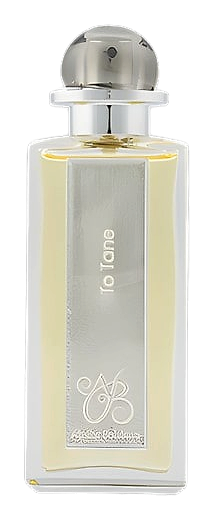
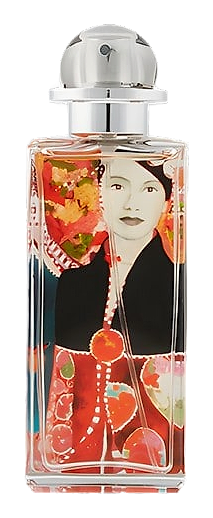
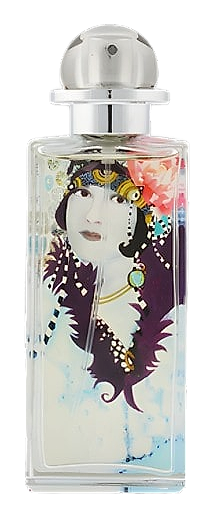
L'Atelier BohemeL'Atelier Boheme is a niche fragrance house whose catalog reads like a walk through garden and memory. The brand created a series of distinctive scents from 2006 through 2014, including To Vahine, Helianthe, La Tete Dans Les Etoiles, and Clementine Aux Papillons. Each fragrance title suggests a poetic sensibility, drawing from nature, place names, and personal imagery. The house operated during a period when independent perfumers were establishing new creative territories outside the major commercial fragrance houses. While public documentation about the brand's founding and operations remains limited, the fragrance names themselves reveal an approach to perfumery that prioritizes atmosphere and narrative over conventional categorization.
The Creator
Crystelle DarchicourtHer early work reveals a predilection for botanical precision. Immortelle features the everlasting flower, a material prized for its honeyed, slightly medicinal warmth.