The Story
Why it exists.
The beginning
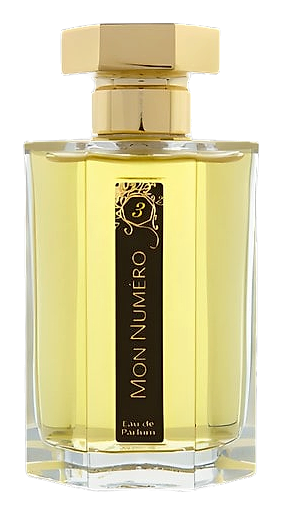
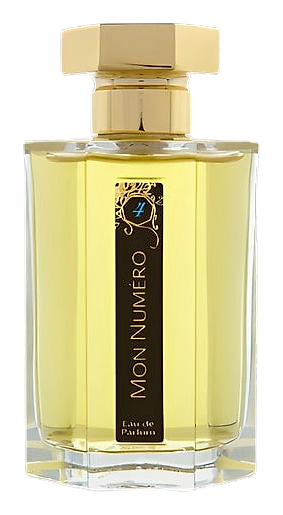
Bertrand Duchaufour created Mon Numéro 4 for the London L'Artisan Parfumeur boutique, a single-fragrance commission in 2009 that was never meant to outlast its opening. The brief was specific: capture the sensory memory of British grooming culture. Not the aesthetic of it. The actual smell, the lavender tonic, the leather seats, the talc hanging in warm air. Duchaufour delivered something that read like a memory you didn't know you had. The single copy sold. Word spread. Five years later, in 2011, the house re-released it in limited quantity as part of the Mon Numéro collection, a recognition that some things are worth making twice.
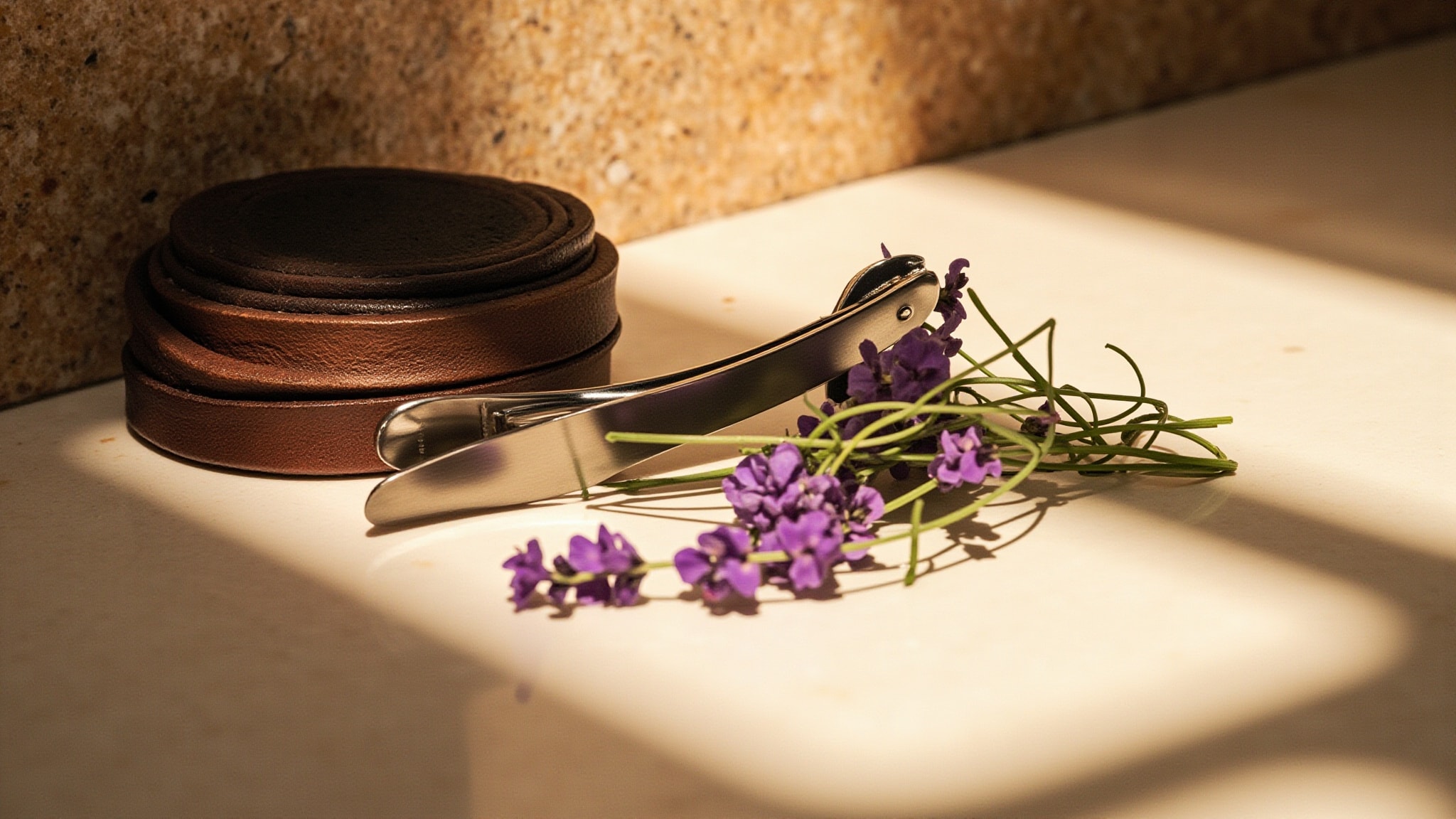
The three-note architecture is deceptively simple: lavender, leather, vanilla. Lavender anchors the composition as the defining fougère material, aromatic, almost medicinal, with a camphoraceous coolness that most modern perfumery has softened into irrelevance. Leather, here, doesn't mean the smooth oud or suede of safer compositions. It means actual leather, the kind with bite, with a slightly animalic edge that most perfumers won't commit to. Vanilla doesn't sweeten the contrast. It deepens it, adding warmth that makes the leather feel worn rather than polished.
The evolution
The opening announces itself immediately: lavender, sharp and clean, with the kind of precision that recalls a freshly ironed shirt. There's no subtlety here, Duchaufour lets the lavender speak at full volume for the first thirty minutes, the classic fougère note asserting itself without apology. Leather arrives quietly, slipping underneath the lavender like steam rising from warm skin, present but not demanding. As the composition moves into its heart, the vanilla begins its work, not sweetening but warming, creating a powdery softness that tempers the sharpness without erasing it. By the drydown, six to eight hours in on most skin, the leather has come into its own, warm and close, wrapped in a vanilla tonality that lingers another two hours after that. This is a fragrance that sleeps with you.
Cultural impact
Mon Numéro 4 has lived a quiet life as a collector's item. The original 2009 single-copy release became something of a legend before the 2011 re-release brought it to a wider audience, still limited, still hard to find. Among L'Artisan enthusiasts, it occupies a specific position: a fougère for people who find most fougères too polite. The leather-vanilla drydown is what draws people back, even as the fragrance has drifted in and out of availability. It's not a crowd-pleaser by design, it's the scent for someone who wants the barbershop, not the tourist version.
The House
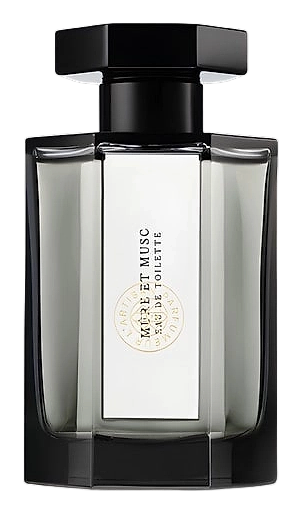
L'Artisan ParfumeurL'Artisan Parfumeur arrived in 1976 with a quietly radical idea: perfume should feel personal, not mass-produced. Founded by chemist Jean Laporte in Paris, the house became one of the first true niche fragrance houses, championing natural ingredients and artisanal craft at a time when blockbuster launches dominated the market. Its Mûre et Musc, launched in 1978, paired blackberry and musk in a way no one had attempted before, and it became a sensation. Over nearly five decades, the house has continued to create unusual fragrances with distinguished noses, never following trends but trusting instead in beautiful materials and imaginative composition.
The Creator
Bertrand DuchaufourDuchaufour is the master of smoke and shadow, of incense rendered with painterly depth rather than theatrical force. Where many perfumers treat frankincense as a single note, he builds incense as a tonal range, capable of austerity or warmth depending on what the fragrance dem…