
The Story
Why it exists.
The beginning
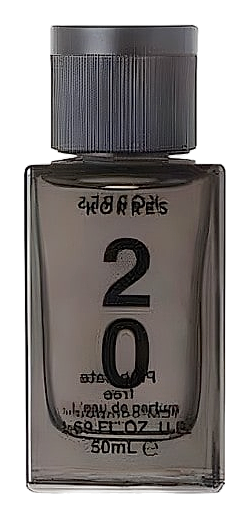
L'Eau de Parfum 20 arrived in 2016 as part of Korres's numbered EDP collection, a system built for clarity, not nostalgia. The brand had spent two decades proving that Greek botanicals could anchor serious fragrance. This one asked a different question: what happens when you let rose lead, then get out of the way? The numbered system was deliberate. No poetic names, no destination marketing. Just a composition number and what was inside. For Korres, the house that built its identity on pharmacy honesty and endemic flora, this was the logical extension, a rose fragrance stripped of expectation, where the whiskey note could function as a dare.
The pyramid is short by design. Five top notes, four heart notes, two base notes. Most houses would pad that structure with plausible-sounding accords. Korres didn't. What you get is an honest outline, and what it implies is that the real work happens in the proportions, not the ingredient list. Oak anchors the base not with force but with density. Amber sweetens without softening. The green notes in the opening exist to prevent the apple from going too bright, to keep the bergamot honest. The whiskey in the heart never fully announces itself. It arrives as warmth, not aroma, the memory of the barrel rather than what's inside.
The evolution
The opening hits clean. Apple and bergamot arrive together, green mandarin lifting the citrus just enough to feel alive. The licorice is present but restrained, it adds a faint anisic shadow, not a full curtain. Thirty minutes in, the green notes begin to recede and the rose steps forward. This is where the fragrance earns its name. The rose isn't delicate. It's warm, resinous, threaded through with something woody that could be cedar or could be the whiskey influence beginning to settle into the composition. The transition isn't dramatic. It's a slow hand-off, the green giving way to amber and the apple softening into something almost honeyed. By hour three, the drydown has arrived. Oak and amber hold the stage, but the rose hasn't disappeared, it's become part of the wood, part of the warmth. On some skin, this fragrance lasts past twelve hours. The drydown becomes skin-like, intimate, a warm floral residue that doesn't project but refuses to leave.
Cultural impact
L'eau de Parfum 20 arrived in 2016 as part of Korres's numbered EDP collection, a system designed to sidestep the usual fragrance marketing playbook. Instead of poetic names and invented mythology, you get a number and a list of ingredients. The approach reflected a broader shift in how consumers wanted to buy fragrance: less story, more substance. Korres, rooted in Greek pharmacy since 1996, built this collection on botanical identity, sourcing endemic plants from Greek farmers and artisan suppliers. The numbered system positioned each fragrance as a formulation first, a luxury product second, appealing to those who wanted transparency in what they sprayed.