The Story
Why it exists.
The beginning
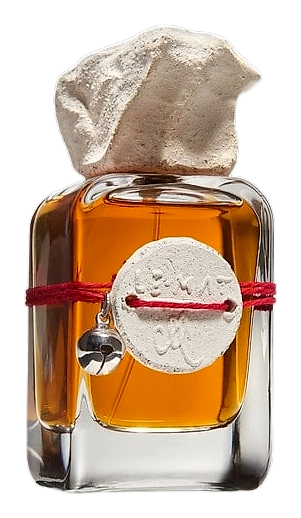
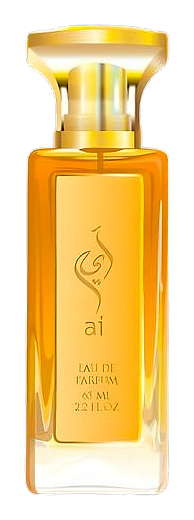
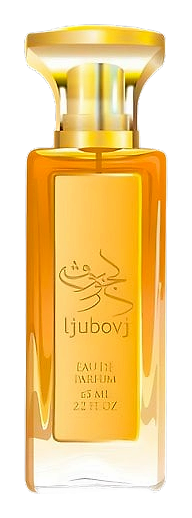
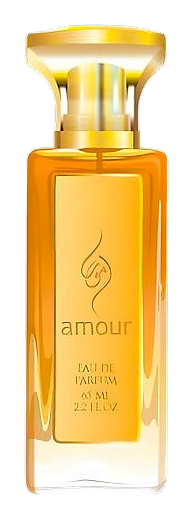
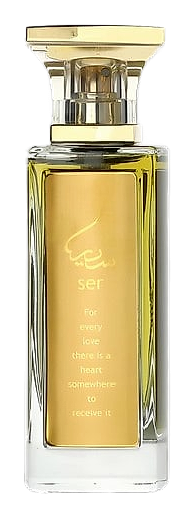
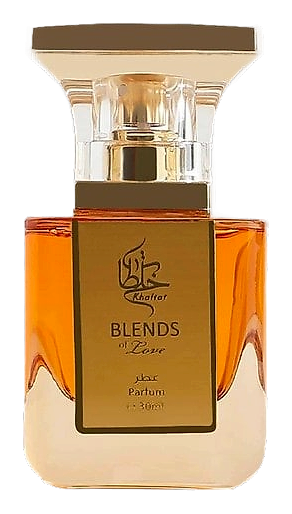
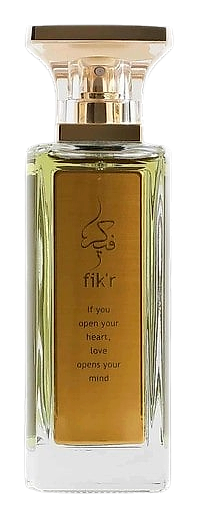
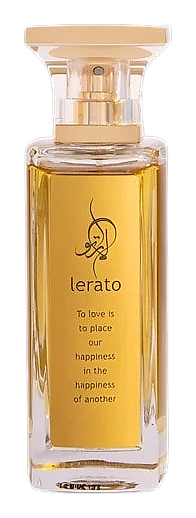
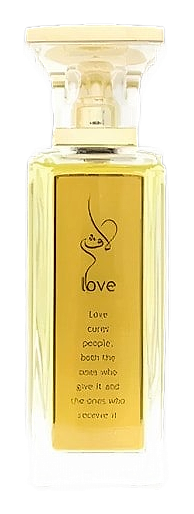
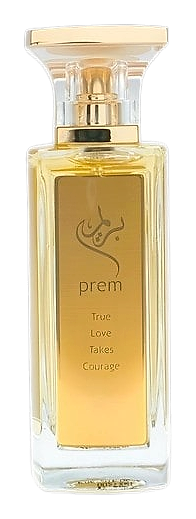
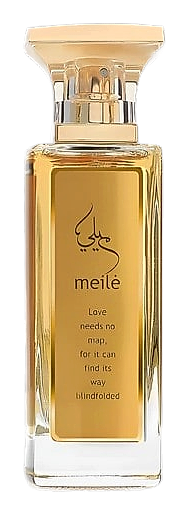
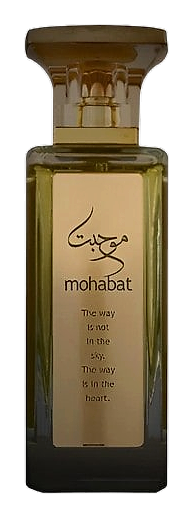
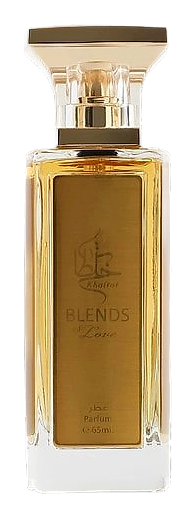
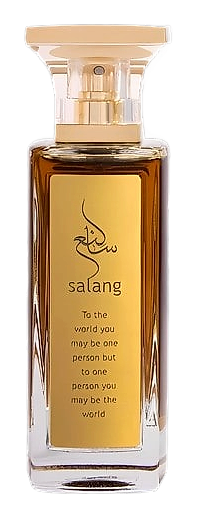
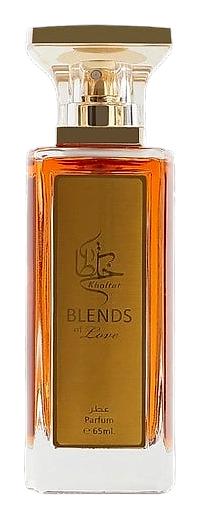
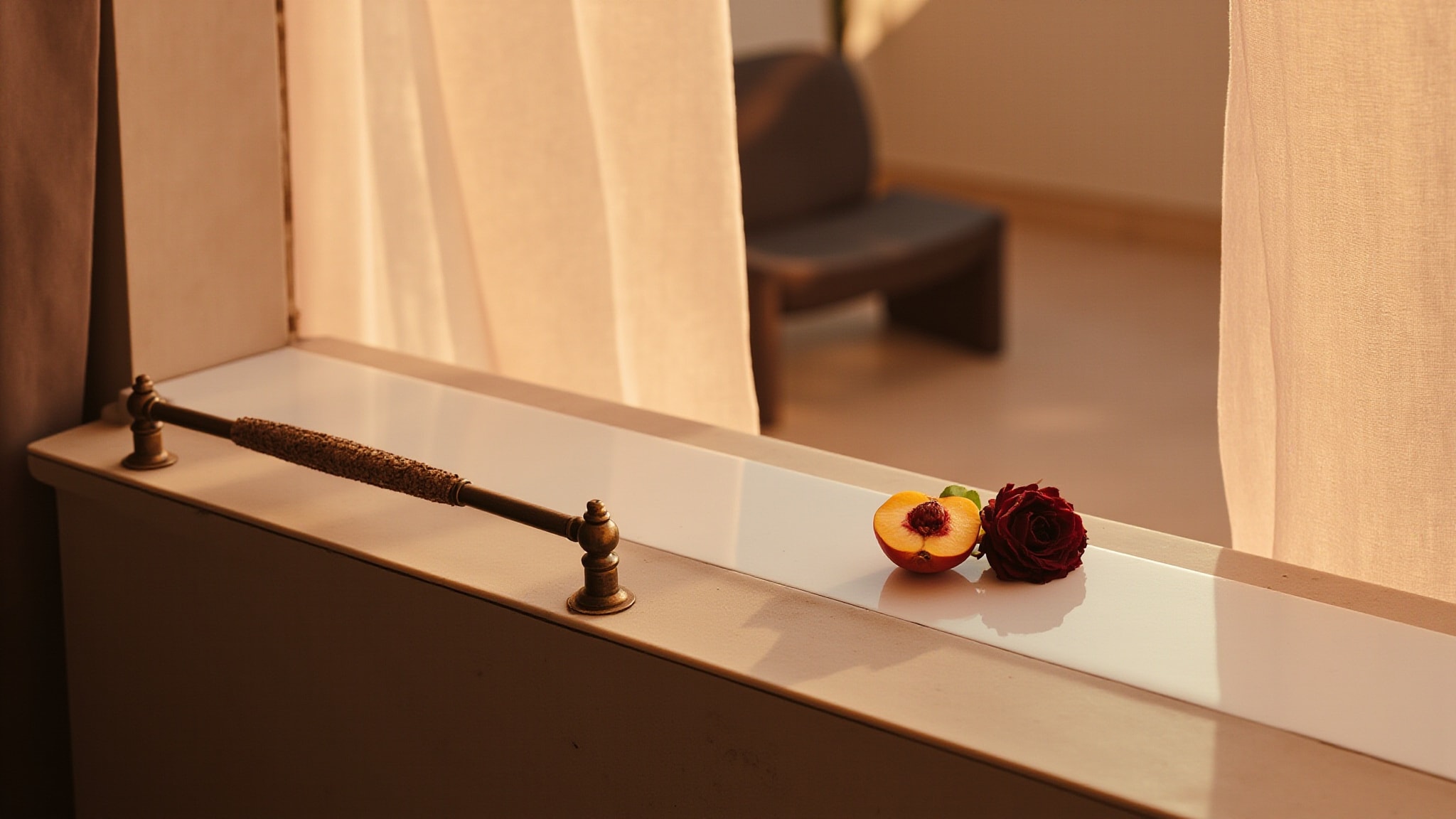
Dragoste means love in Romanian, and it sits among other Khaltat fragrances that carry love-themed names, each rooted in a different language. Dragoste itself is built around a peach and rose combination, sweet and unapologetically so, rounded by guaiac wood for a warm, faintly resinous finish. The peach note comes through with a juicy, almost candied ripeness, the kind that recalls fruit syrup rather than fresh-picked orchard fruit, while the rose leans dense and jammy rather than thin or powdery. The guaiac wood underneath adds a quiet, smoky edge, the kind of dry warmth that keeps all that sweetness from tipping into something cloying.
What's interesting is the restraint. A peach-rose-wood pyramid sounds like a recipe for confectionery overload, but guaiac wood is a quiet operator, slightly smoky, slightly resinous, more creosote than sugar. That single base note does the heavy lifting, pulling the sweetness back from the edge without killing the warmth. It also gives the fragrance surprising structure for something that reads soft on paper. The wood is what makes it wearable past the first hour, the thing that keeps it from dissolving into pure syrup.
The evolution
The peach arrives first, bright, fleshy, almost a bite of fruit skin and juice, and it stays prominent through the opening without ever feeling synthetic. Rose takes over as the peach recedes, but not the thin, powdery kind. This rose is dense, jammy, almost Turkish-delight-adjacent, sweet enough to make you check the ingredients for sugar. There's a candied quality to it, a syrupy pull that feels deliberate rather than accidental, as though the perfumer wanted the rose to behave more like a preserve than a fresh bloom. The transition into the base is where things get interesting: the fruit fades, the rose deepens, and guaiac wood starts to surface with its faintly smoky, tar-edged warmth. The rose doesn't disappear so much as it darkens, losing some of its jammy overtness and picking up a denser, almost resinous undertone as the wood claims more territory.
Cultural impact
Dragoste occupies an interesting pocket in contemporary fragrance conversations: sweet enough to attract rose-and-fruit fans, yet structured enough with its guaiac wood base to feel grounded and serious. It reads as approachable without being safe, a rose that commits rather than hedges. The sweetness is overt but not naive, the fruit feels intentional rather than accidental, and the wood keeps the whole composition from floating off into pure confection. This is a fragrance that knows exactly what it wants to be, and it doesn't apologize for leaning into sugar and syrup.