
The Story
Why it exists.
The beginning
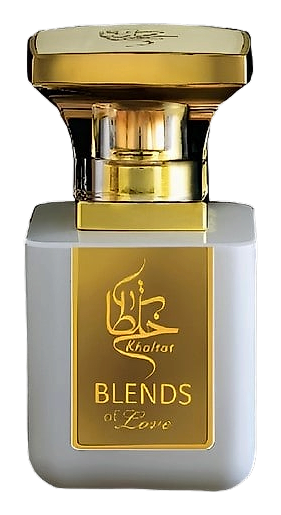
Mohabat, the Arabic word for love, was created by Khaltat as an ode to devotion expressed through the language of flowers, and lotus was chosen as its emotional center. The lotus is a bloom with a quiet mythology of its own, rising untainted from muddy waters to suggest purity, grace, and spiritual depth. The fragrance translates that imagery into something you can wear, a composition built around the flower's soft, watery freshness and its pale, almost translucent floral character. Worn close to the skin, Mohabat reveals itself gradually, with the lotus unfolding at its own pace, releasing delicate sweetness that never shouts, only settles in like a second skin.
Khaltat approached Mohabat as a study of softness rather than spectacle, focusing on the lotus at the precise moment a petal unfurls above the waterline. Rather than layering the composition with loud ingredients, the formula leans into translucent textures, working with accords that feel cool and slightly damp, like a stem just pulled from still water, and warm at the same time, the way a petal seems to hold the day's last bit of sunlight.
The evolution
When Mohabat first launched, it introduced a quieter vision of lotus perfumery, one rooted in the bloom's soft, watery character rather than bolder floral statements. The fragrance drew attention for its restraint, building a composition around lotus, coconut, and sandalwood, three notes that work together in a way that feels gentle but never thin. The coconut lends a creamy, almost milky sweetness to the lotus, softening the bloom and giving it a rounded body that lingers on the skin, while the sandalwood provides a clean, warm foundation that anchors the scent without weighing it down. Over the years, Mohabat has built a small but devoted audience, people drawn to its meditative quality and the way it wears through the day.
Cultural impact
The lotus occupies a powerful place across Asian spiritual traditions, rising pure from muddy waters to symbolize enlightenment, rebirth, and inner peace, a meaning that has carried into South and Southeast Asian art, poetry, and ritual. The flower carries a long history in poetry and sacred imagery, representing purity through its ability to remain untouched by the water it grows in, and inner peace through its slow, deliberate unfurling.