The Story
Why it exists.
The beginning
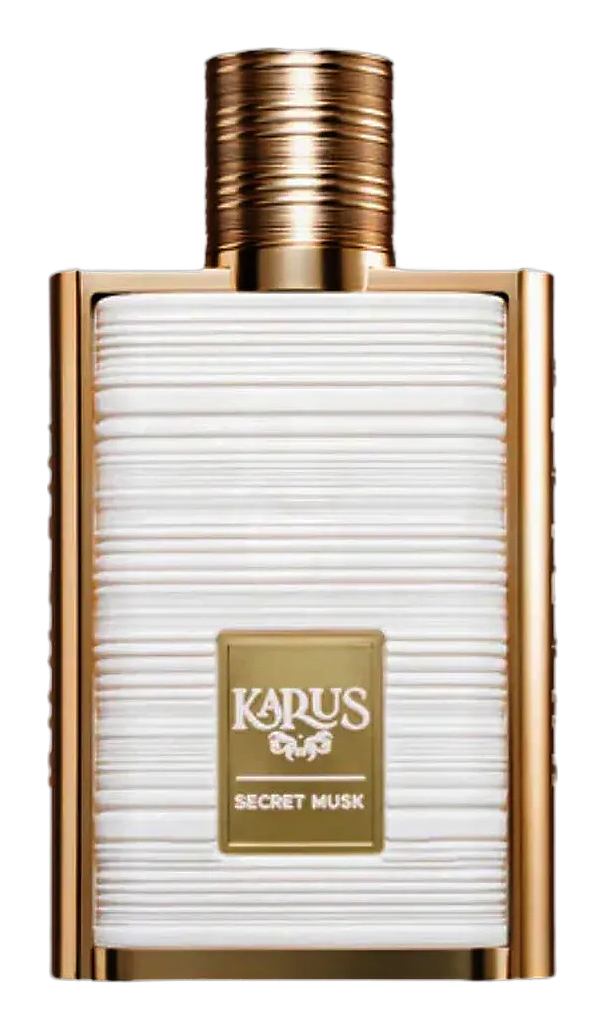
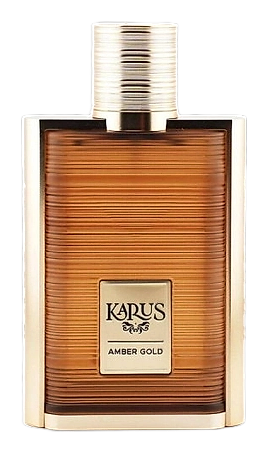
Khadlaj Perfumes established its identity in 1997 in the UAE, building on decades of Arabian perfumery tradition that prizes oud, rose and musk as foundational materials. The house blends this heritage with French elegance, creating fragrances that feel simultaneously rooted in Middle Eastern culture and globally sophisticated. Karus Amber Gold serves as the flagship of the Karus collection, embodying the brand's philosophy of accessible luxury without compromise on quality or character.
The note selection reflects a deliberate philosophy: start with florals that capture the eye, move through a heart that engages the imagination, and conclude with woods that ground the memory. Narcissus and jasmine were chosen for their ability to project confidently without cloying, while rose and blackcurrant create a heart that feels lush but never overwrought. The oud and patchouli base ensures the fragrance leaves a lasting impression that lingers in memory. Tog ether these materials create a fragrance that feels cohesive across its evolution, each phase complementing the last.
The evolution
The fragrance begins with narcissus and jasmine, two florals that command immediate attention through their heady, almost hypnotic sweetness. This opening is bold and unapologetic, setting the stage for what follows. As the initial intensity settles, the heart reveals rose enriched by blackcurrant, creating a fruity-floral middle that feels both romantic and contemporary. Cyclamen threads through this phase, adding a whisper of freshness that prevents heaviness. The drydown takes a decisive turn toward oud, whose deep, smoky woodiness anchors the composition while patchouli contributes earthy, mossy warmth. This evolution from bright florals to dark woods mirrors a journey from daylight exuberance to evening depth.
Cultural impact
Karus Amber Gold reflects a modern reinterpretation of Arabian perfume heritage, merging traditional oud depth with Western floral brightness. Its launch in 2024 sparked conversations about cultural fusion in perfumery, inspiring emerging brands to explore similar cross‑regional blends while honoring historic scent palettes. The fragrance has been cited in regional blogs as a bridge between classic incense rituals and contemporary lifestyle aesthetics, reinforcing the dialogue between past and present olfactory art forms.