The Story
Why it exists.
The beginning
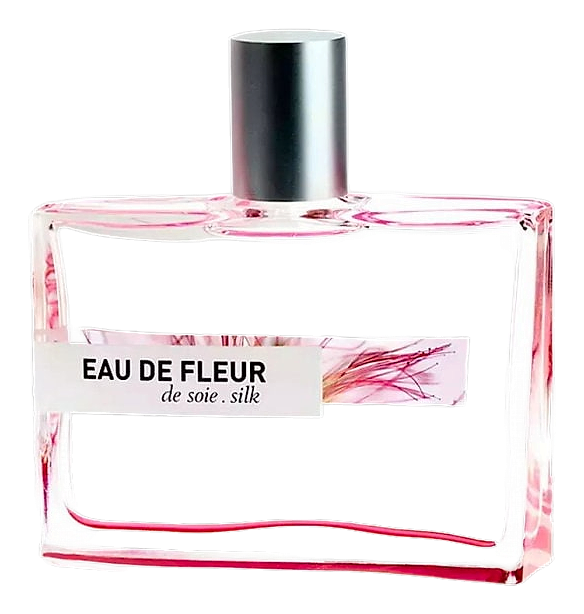
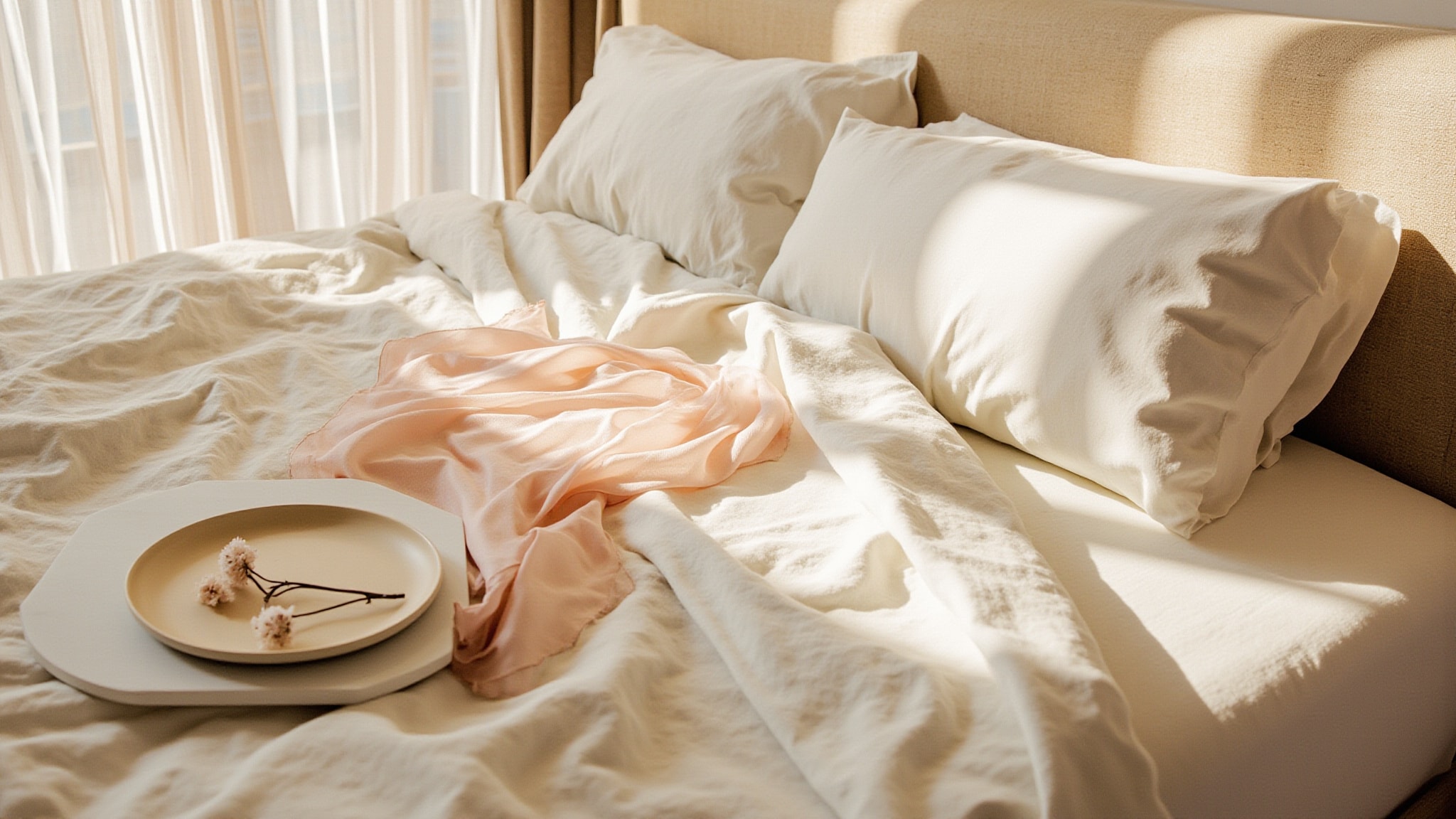
Eau de Fleur de Soie carries a name that does most of the talking for it. Jean Jacques composed this fragrance, and the lead note is the silk tree blossom, an ingredient chosen for its unusual textural qualities rather than any loudness. The house has long had a gift for translating visual poetry into scent, and this one feels quieter, more private than some of their louder statements. Less declaration, more exhale. The composition speaks to anyone who has ever pressed their face into a just-washed pillow and felt the day slow down, a scent that wants to be lived in rather than noticed.
The silk tree blossom carries a peculiar signature. What it brings to the composition is less a traditional floral sweetness and more a powdery, slightly green softness that behaves like fabric in olfactory form. Jean Jacques layered it with abstract floral and fruity touches to create something that reads as silk without quoting any single flower literally. The result is less a bouquet than an atmosphere, the olfactory equivalent of light passing through a sheer curtain.
The evolution
The opening is the lightest part. A bright, almost watery floral accord hits first, more impressionistic than declarative, the silk tree blossom translating as a soft pink-green haze rather than any specific bloom. Within the first stretch of wear, the airy lift begins to settle. Powdery florals take over, and the whole thing drops closer to skin, warming slightly, developing a creamy warmth that reads like clean skin in warm light. As the hours pass, the fruity undertones have dissolved into a gentle musk. The fragrance spends its later hours as a close-radius skin scent, the kind you only catch when someone leans in. It does not project. It does not need to. Community longevity ratings place it around 4.4, with sillage sitting lower at roughly 3.6, suggesting a modest performance that rewards those willing to pay attention.
Cultural impact
Eau de Fleur de Soie sits in a quieter corner of the Kenzo lineup, appealing to wearers who want their fragrance to feel atmospheric rather than declarative. It's the kind of scent that rewards intimacy over projection, something built for the wearer themselves rather than for the room. The fragrance doesn't ask to be noticed, and in that restraint lies its particular appeal. For those drawn to skin scents, to compositions that feel like an extension of the body rather than an accessory layered on top, this one offers a coherent vision: perfume as private weather, felt rather than performed.