The Story
Why it exists.
The beginning
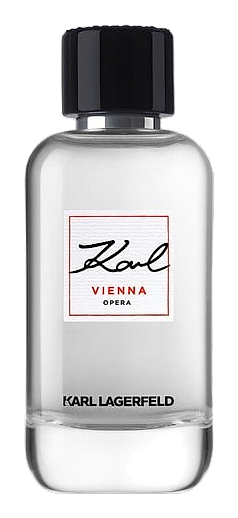
The Places by Karl collection draws from the designer's personal geography, cities that shaped his eye, his aesthetic, his understanding of what a garment owes to its surroundings. Vienna landed in the collection not for its imperial history or its coffee house culture, but for the opera house. The weight of velvet in the dark. The hush before the overture. The acoustics that turn a whisper into something unforgettable. Aliénor Massenet was tasked with translating that room into a bottle. Her brief was simple on paper: aromatic-spicy, fresh-woody, memorable. But the best briefs always are. What she delivered was a fragrance that opens like a city at dawn, crisp, still slightly sharp, full of possibility, and settles into something warmer as the hours pass. Vienna's steam. Vienna's coffee. Vienna's weight of old Europe meeting new. The name doesn't promise a postcard. It promises an atmosphere.
The note pyramid is straightforward, no hidden accords, no deceptive marketing. Grapefruit, black pepper, basil. Lavender, sage, apple. Cedarwood, sandalwood, vetiver. What makes it interesting is the execution: each tier does exactly what it says it will do, without apology or ornamentation. Basil opens green and slightly aniseed, then the apple enters to sweeten the deal. But the transition to lavender and sage is where most fresh fragrances stumble, the classic barbershop trap. Here, the apple keeps things grounded. Lavender and sage arrive as partners, not protagonists, their herbal character reading more natural than clinical. The woody base is where the fragrance earns its keep.
The evolution
First spray: grapefruit, bright and slightly bitter, with black pepper adding a clean heat. The basil follows within seconds, green, assertive, refusing to be decorative. Thirty minutes in: the apple appears, sweet and slightly tart, cutting through the herbal density. The scent pauses here, reconsidering itself. This is the phase that separates it from the pack, the herbal heart isn't a bridge, it's a destination. Two hours in: the woods arrive. Cedarwood first, dry and warm. Sandalwood follows, softer, creamier. The vetiver is audible now, mineral, earthy, grounding everything that came before. Four to six hours: the drydown. Vetiver-forward, with cedar lingering. On skin, the evolution takes 4-6 hours total. On fabric, the woody base persists into the next day, the kind of longevity that justifies skipping the reapplication.
Cultural impact
Karl Vienna Opera occupies a specific niche in the aromatic-fresh category, aromatic in the classical sense, with herbs that do actual work rather than providing background texture. The fragrance hasn't generated significant press coverage since its 2022 launch, but community reception suggests it fills a gap: fresh without being boring, herbal without being medicinal, woody without being heavy. Wearers describe it as the kind of scent that rewards attention, not immediately arresting, but worth the discovery.