The Story
Why it exists.
The beginning
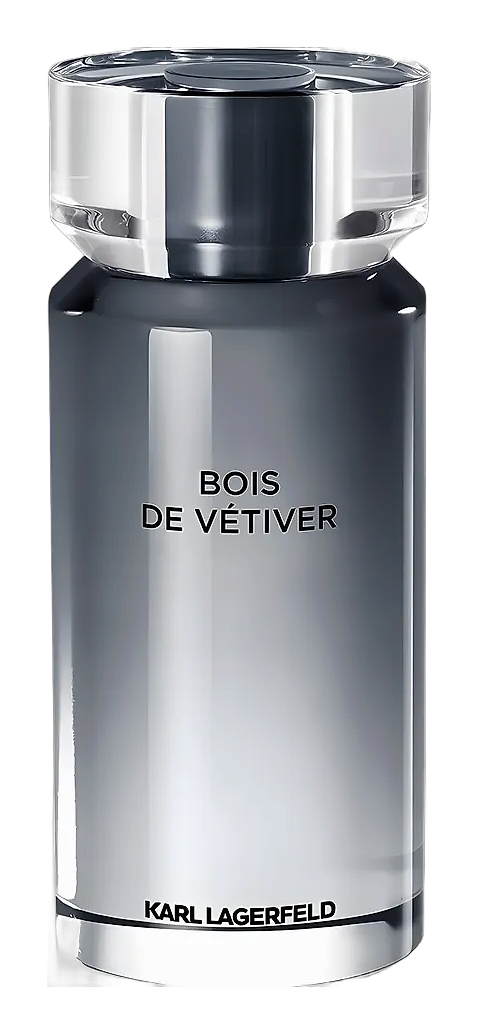
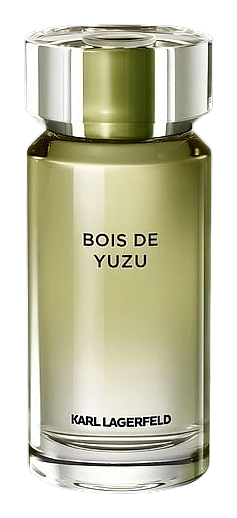
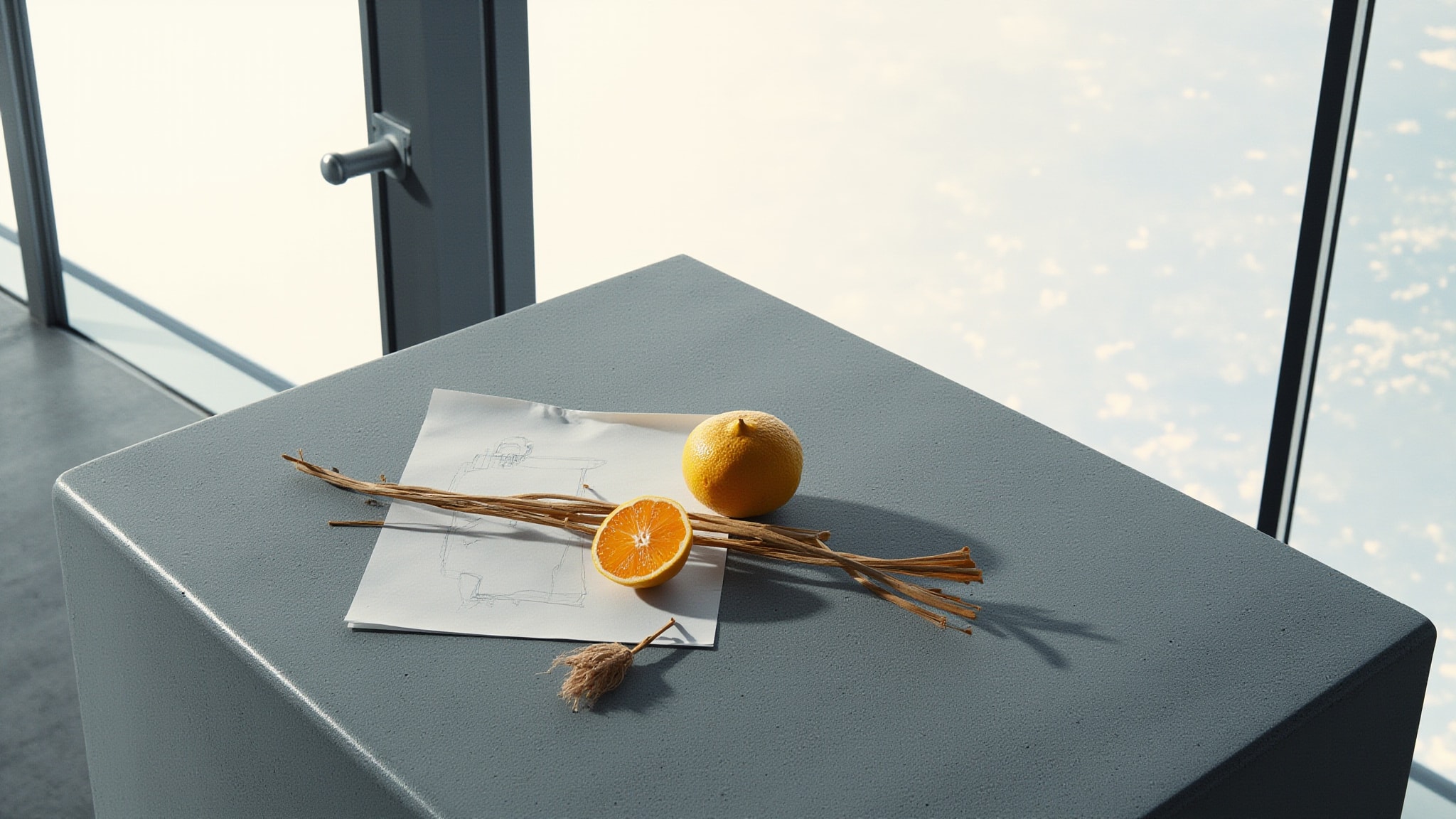
Bois de Yuzu arrived in 2018, designed by perfumer Emilie Coppermann. The name says everything: yuzu, the Japanese citrus prized for its sharp, almost bracing tartness, meets bois, wood, forest, depth. Coppermann built the fragrance around that tension. Yuzu opens bright and immediate. The woody base, grounded in papyrus and moss, answers it with something earthier, quieter. It's a composition that borrowed from two worlds without trying to belong to either.
What makes Bois de Yuzu work is the restraint in the heart. One note, nutmeg, carries the entire middle. That single-spice approach could have gone flat, but instead it lets the citrus opening hand off cleanly to the moss-papyrus base without muddying the transition. The papyrus is the quiet operator here: dry, slightly mineral, almost papery. Paired with moss, it gives the drydown a forest-floor quality that keeps the yuzu from feeling like a summer-only fragrance. The seven top notes could have overwhelmed the structure, but they arrive as a bloc, citrus and herbs together, then dissipate within the first hour, leaving the composition lean and purposeful.
The evolution
The opening is all business. Yuzu, bergamot, grapefruit, mandarin orange, ginger, rosemary, mint arrive as a group and burn bright for 30 to 45 minutes. By the second hour, the citrus has thinned and the nutmeg surfaces, warm, barely sweet, a single spice anchoring everything. The drydown is where it gets interesting. Moss and papyrus settle close to the skin, giving the finish a green, slightly mineral quality. Not animalic. Not sweet. Close and clean, the kind of drydown that someone two feet away might catch when you move. Lasts four to six hours on most skin types, leaning shorter on dry skin.
Cultural impact
Bois de Yuzu arrived in 2018 as part of a broader Western perfume industry turn toward Asian citrus traditions. Yuzu, long prized in Japanese perfumery and cuisine, had appeared in niche fragrances but rarely in accessible designer releases. Karl Lagerfeld's choice of yuzu as the signature note reflected a growing cultural crossover in flavor and scent preferences, driven by travel, culinary media, and the globalization of fragrance communities. The pairing of yuzu with papyrus and moss created an East-meets-Mediterra tension unusual at its price point. Unlike purely tropical citrus fragrances, the papyrus base grounded the scent in dry, mineral territory, echoing ancient perfumery materials.