The Story
Why it exists.
The beginning
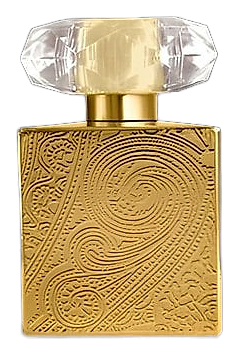
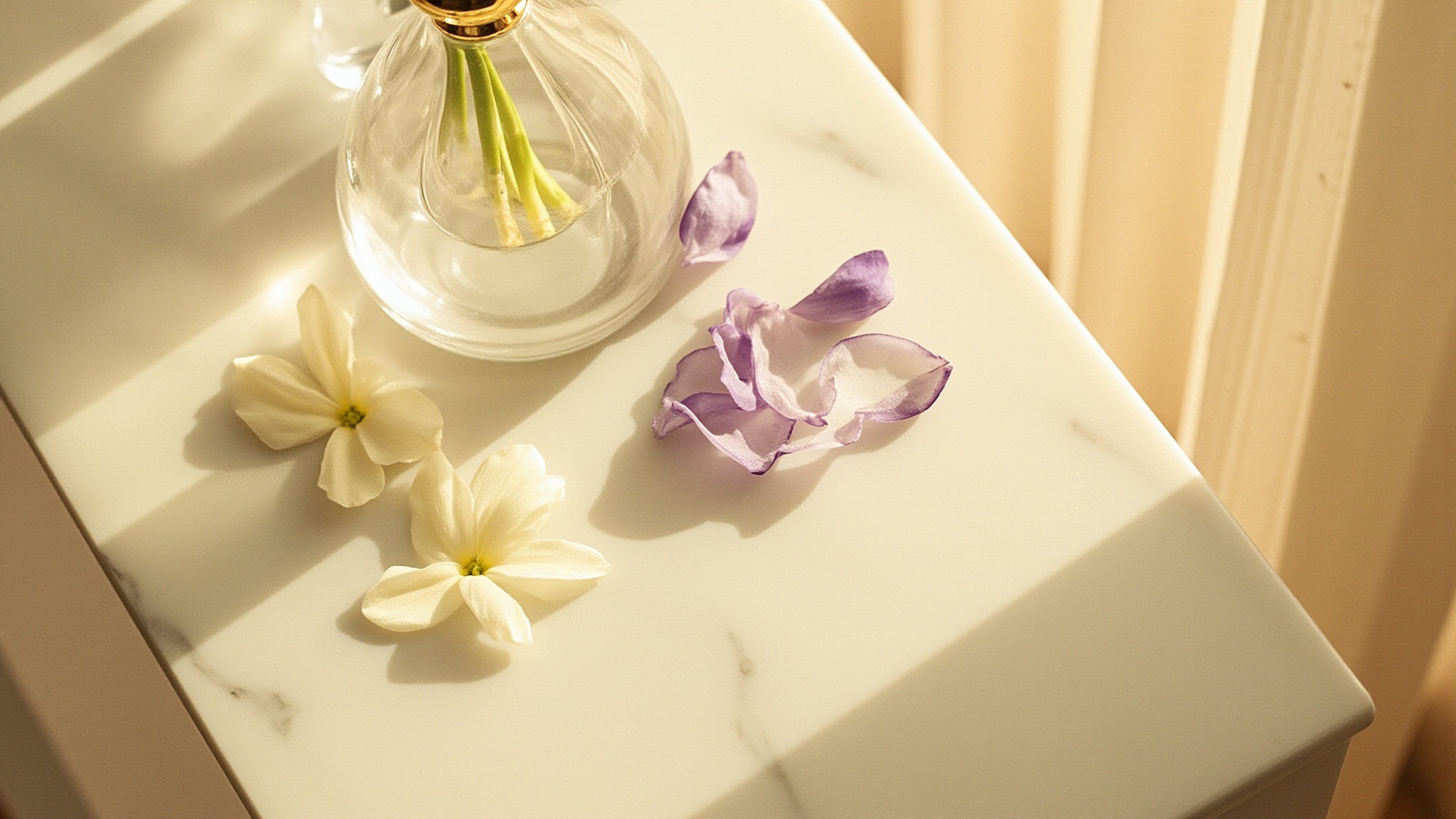
Saraab Gold arrives from Junaid Perfumes with a name that carries weight in Arabic, 'saraab' means mirage, an illusion that shimmers on the horizon. The gold qualifier adds warmth, solidity. Something you can almost touch but never quite grasp. This is a fragrance built on that tension: the way white florals can feel both overwhelming and fleeting, here grounded by vanilla's permanence. The composition is deliberately feminine in its structure, tuberose and violet opening, jasmine and white musk at the heart, vanilla anchoring the base, a classic pyramid executed with restraint rather than excess. The brand's Bahraini roots show in the restraint. Junaid Perfumes has spent over a century building compositions that reference the coastal markets and spice routes of the Arabian Peninsula, and Saraab Gold fits that lineage: florals interpreted through a lens that prizes warmth and skin-similarity over theatrical projection.
What makes Saraab Gold interesting is its simplicity. Four note layers. No oud, no heavy woods, no spice accord fighting for territory. The pyramid is almost classical, white floral opening, musky heart, sweet drydown, yet the violet note keeps it from feeling dated. Violet in perfumery often reads as powdery, nostalgic, a little old-fashioned. Here it serves as a bridge between the green, slightly bitter freshness of the tuberose opening and the sweeter, more intimate jasmine-musket heart. It's a clever structural choice: violet does the work of transition so the wearer barely notices when the florals give way to the base. The white musk is worth noting.
The evolution
The opening hits within seconds: violet's powdery sweetness meets tuberose's milky, almost narcotic fullness. The green edge of the tuberose keeps it from being cloying, there's a brightness underneath that reads as fresh, not sweet. Within fifteen minutes, the jasmine arrives and softens everything. The composition shifts from impressionistic floral to something more intimate, more personal. This is the phase where the fragrance declares itself as a skin scent rather than a room-filler. By the third hour, the white musk and vanilla take over. The florals don't disappear, they're still there, ghosting underneath, but the composition reads as warm, powdery skin with a faint sweetness. This is the drydown that earns loyalty. Six to eight hours later, on fabric especially, a clean-laundry warmth remains. On skin, it fades closer to the six-hour mark. The sillage is moderate throughout: present for the first hour, intimate by hour three, a skin hug by hour five. This is a fragrance designed to be discovered rather than announced.
Cultural impact
Saraab Gold emerged from Bahraini perfumery at a time when Gulf fragrance houses were establishing their own visual and olfactory identities separate from European conventions. Junaid Perfumes, operating as a family workshop since 1910, positioned Saraab Gold within a lineage of white florals that resonated with regional preferences for tuberose and violet, materials with deep roots in Middle Eastern perfumery traditions. The fragrance attracted collectors who valued its restraint over the projection-heavy Gulf style, making it a quiet favorite among those seeking intimacy over announcement.