
The Story
Why it exists.
The beginning
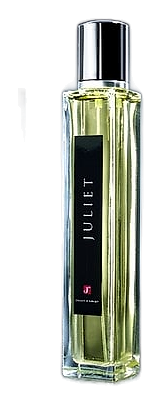
Juliet arrived in 2010 from Juliet Stewart, a New York makeup artist and skincare specialist who built her brand on a single directive: be unforgettable. Stewart partnered with Italian master perfumer Lorenzo Dante Ferro to translate that philosophy into scent, a personal signature rather than a status marker. The brief was simple: warmth with a magical edge. Something that captures attention without demanding it.
What makes Juliet distinctive is its herbaceous heart, Mediterranean herbs threading through jasmine and vanilla, keeping the sweetness grounded. Most florientals lean either crisp or creamy. Juliet does both. The citrus opening feels sun-drenched rather than sharp, the vanilla doesn't fog, and the ambergris in the base adds a salty warmth that makes everything smell like skin, not perfume.
The evolution
The opening splashes bright and immediate, lemon and orange with an herbal edge from basil that keeps it from reading like cleaning products. Twenty minutes in, jasmine blooms. Creamy, white-floral, the kind that smells expensive. The vanilla follows, sweet but not syrupy. By hour three, the drydown begins. Ambergris and wood settle close, intimate, the kind of warmth you find in skin. The vanilla outlasts everything else. On fabric, it can linger into the next day, a faint warmth in the collar of a jacket, the lining of a scarf. Moderate sillage means it stays yours, not the room's. Longevity scores higher than projection, which tracks: this is a fragrance for someone who wants to be remembered by the people standing next to them, not across it.
Cultural impact
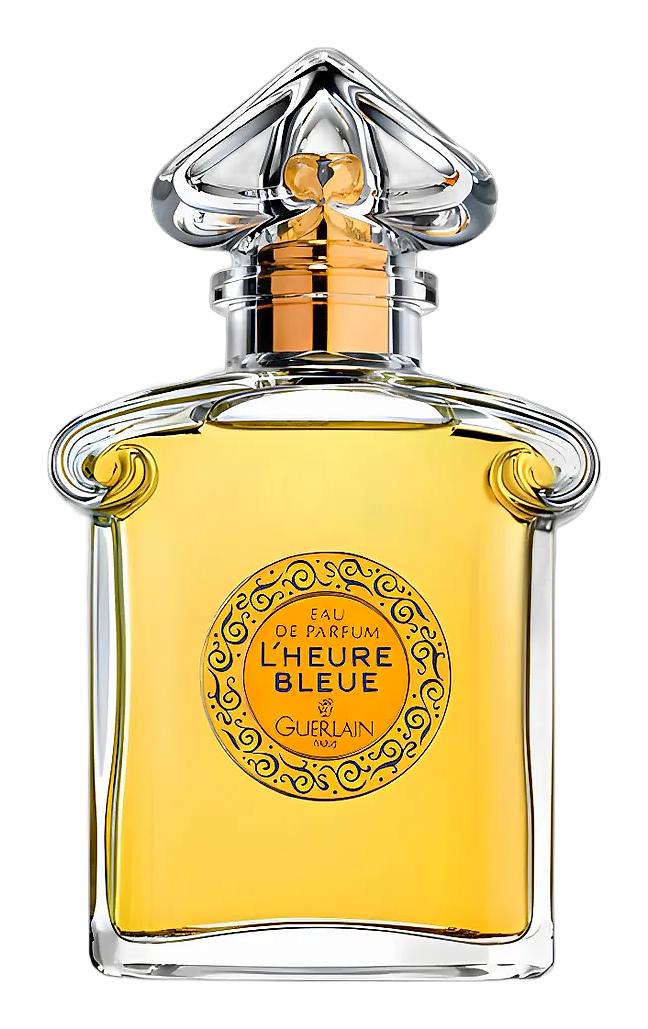
Juliet sits comfortably in the modern floriental tradition, warm, jasmine-forward, with vanilla and amber keeping things approachable. Reviewers compare it favorably to classics like Guerlain L'Heure Bleue and Robert Piguet Fracas, though Juliet reads warmer and less austere. The niche fragrance space in 2010 was still carving out territory between designer accessibility and avant-garde exclusivity. Stewart's approach, personal expression over marketing story, positioned Juliet for wearers who wanted something distinctive without shouting. The moderate sillage suits close encounters rather than room-filling presence, appealing to those who want to be remembered by the person standing next to them.