
The Story
Why it exists.
The beginning
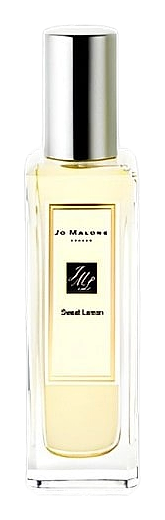
Sweet Lemon arrived in 2011 as part of Jo Malone London's Tea Collection, five fragrances built around the rituals of British tea culture. Christine Nagel conceived Sweet Lemon as a layering component, something you could add to the more austere tea fragrances to sweeten them. The concept was literal: just as you'd squeeze a slice of lemon into a pot of Earl Grey or stir sugar into Assam, this fragrance was designed to enhance the others. But it also stood alone. A wearable translation of that small, specific pleasure, the ritual of making tea and the way a squeeze of lemon changes everything about it.
What makes Sweet Lemon work is the tension between tart and sweet. The rhubarb doesn't sweeten, it sharpens, giving the lemon a green edge that keeps it from becoming a generic citrus. The pineapple and peach in the heart bring softness, but they're held in check by cypress and cedar in the base. It's a composition that could have gone one-dimensional. The balance is what separates it from a room spray with aspirations. Nagel understood that layering requires restraint, each element has to be light enough to let others breathe, strong enough to still smell like something worth wearing on its own.
The evolution
The opening hits bright and stays there longer than expected. Lemon and bergamot don't rush off, the rhubarb keeps them honest, green and tart rather than sweet. The pineapple appears softly, not syrupy, weaving through the citrus with a gentle tropical warmth that adds dimension without overpowering. The freesia adds a quiet floral note that could go powdery but stays clean. As time passes, the top notes remain present while the base takes over more of the work. Cedar and musk step forward, holding the sweetness close to skin and creating a warm, enveloping trail. The drydown is intimate, close, and lasts well past when most citrus fragrances have given up. The next morning, a trace of cedar and clean skin remains.
Cultural impact
Sweet Lemon belongs to the Jo Malone lineage of light, wearable citrus fragrances designed for layering. It occupies a particular niche: bright enough to refresh, structured enough to last, restrained enough to layer under heavier compositions. The Tea Collection context gives it a British cultural anchor, not a fashion statement, but a small daily ritual translated into scent. It appeals to wearers who want something clean but with more dimension than a standard citrus.