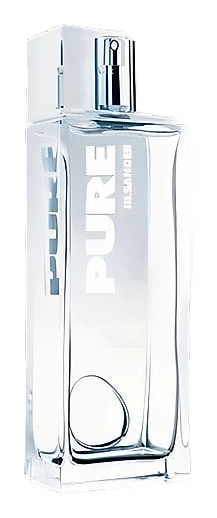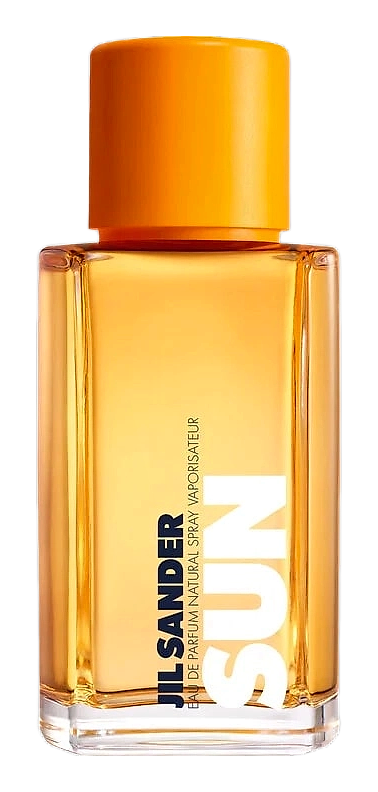
The Story
Why it exists.
The beginning
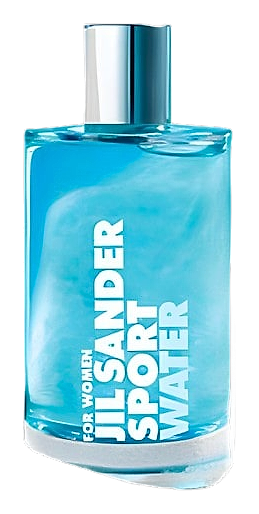
Sport Water arrived in 2008 as part of Jil Sander's ongoing exploration of what a fragrance can be when it strips away the unnecessary. Perfumer Emilie Bevierre-Coppermann built it around a tension: the bright, almost medicinal sharpness of yuzu against the soft, almost sleepy warmth of jasmine and rose. The idea was sport, movement, energy, clarity, but filtered through the house's signature restraint. No heavy woods, no loud florals, no sillage that announces itself. Just the essentials, executed with precision.
What makes Sport Water interesting is the ambrette. Most aquatic fragrances lean on synthetic musks to get that clean, sporty feel, the kind that reads as detergent-adjacent. Ambrette, also known as musk mallow, is different. It's a plant-based material that smells warm, slightly nutty, and genuinely skin-like. Here it does the work that white musk usually does, but without the static charge. The result is a fragrance that feels clean without smelling clinical. Combined with the yuzu opening, a Japanese citrus that's more tart than bergamot, more interesting than lemon, the composition achieves something the best sport fragrances manage: it smells like someone who just showered, not someone who took a bath.
The evolution
The opening is the whole event. Yuzu doesn't ease in, it arrives. Bright, tart, almost effervescent, like the first splash of cold water on warm skin. Within minutes the jasmine and rose show up, not to compete but to soften. The yuzu doesn't disappear. It recedes, becoming the backdrop against which the florals play. This is the phase that lasts, maybe two hours of clean florals over bright citrus. Then the ambrette and amber take over. The drydown is warm, intimate, close to the skin. It doesn't project anymore. It just lingers, the kind of smell someone notices only when they're close enough to matter.
Cultural impact
Sport Water arrived in 2008 during a peak era for fresh-aquatic fragrances, when the market was saturated with similar concepts. Jil Sander's approach stood apart through restraint, using yuzu instead of standard citrus, keeping the composition linear and transparent rather than layering bombastic elements. The fragrance arrived at a cultural moment when the fashion house itself was undergoing transition, yet Sport Water maintained the brand's core identity of clarity and minimalism. Its moderate sillage and quiet confidence reflected broader cultural shifts toward understated luxury, anticipating the later 'quiet luxury' movement by over a decade. The scent represents a time when Jil Sander was defining what restrained modernity meant in fragrance.