
The Story
Why it exists.
The beginning
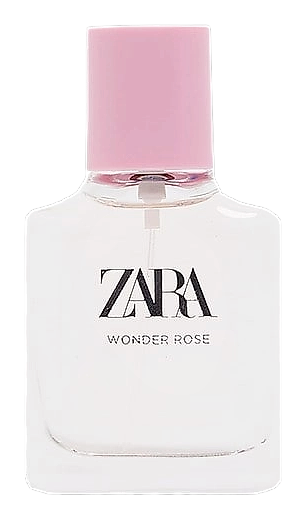
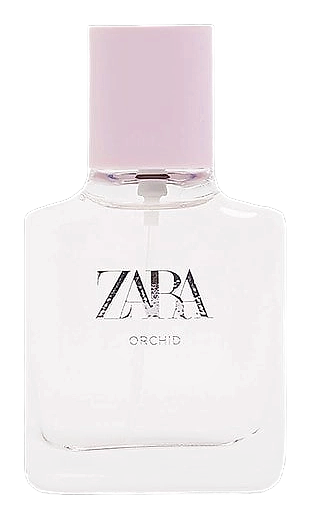
Orchid 2019 arrived in 2019 as part of Zara's ongoing fragrance exploration, a brand that treats scent like it treats fashion: accessible, of-the-moment, and designed for people who want style without the heritage price tag. The name says everything. Orchid as the singular focus, the whole point. Not a supporting player. Not a marketing afterthought. Just: here is the flower. Build from that.
Bergamot, orchid, vanilla. Three materials. The restraint is the point, it's a study in what happens when you don't overcomplicate. The orchid doesn't arrive immediately; bergamot clears the space first, citrus-bright and brief. Then the orchid unfolds, powdery and slightly green, before vanilla wraps everything in warmth. It's the kind of linearity that takes confidence to commit to. Most houses would have added a third heart note just to feel productive.
The evolution
The bergamot opens sharp and clean, maybe ninety seconds of bright citrus before it starts softening. That's when the orchid arrives, but not all at once. It comes in layers: first the powdery aspect, then a cooler, almost mineral floral note that suggests the plant's waxy petals rather than its sweetness. The spice doesn't announce itself; you'll find it if you're paying attention, a quiet freshness that keeps the orchid from going too soft. Then the vanilla takes over, not dramatically, it just gradually becomes what you smell. By hour three, it's skin-close and warm, the kind of presence you only notice when you lean in.
Cultural impact
Orchid 2019 arrived during a pivotal period for accessible luxury fragrances, when fast-fashion brands began investing seriously in scent development. Zara's 2019 collection marked a deliberate shift from disposable trend fragrances toward more considered compositions, a move mirrored across the industry by brands like H&M and Mango. The Jo Malone collaboration, though not officially confirmed for this specific scent, signaled Zara's ambition to bring higher craft standards to mass-market fragrance. This positioning, fashion-forward branding with elevated perfumery, wasn't entirely new (Hugo Boss had done similar work a decade earlier), but Zara's execution felt timely for a generation raised on both luxury aspiration and value consciousness.