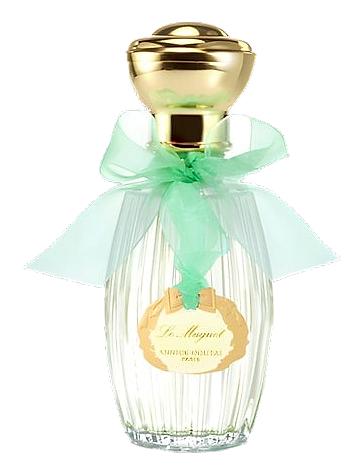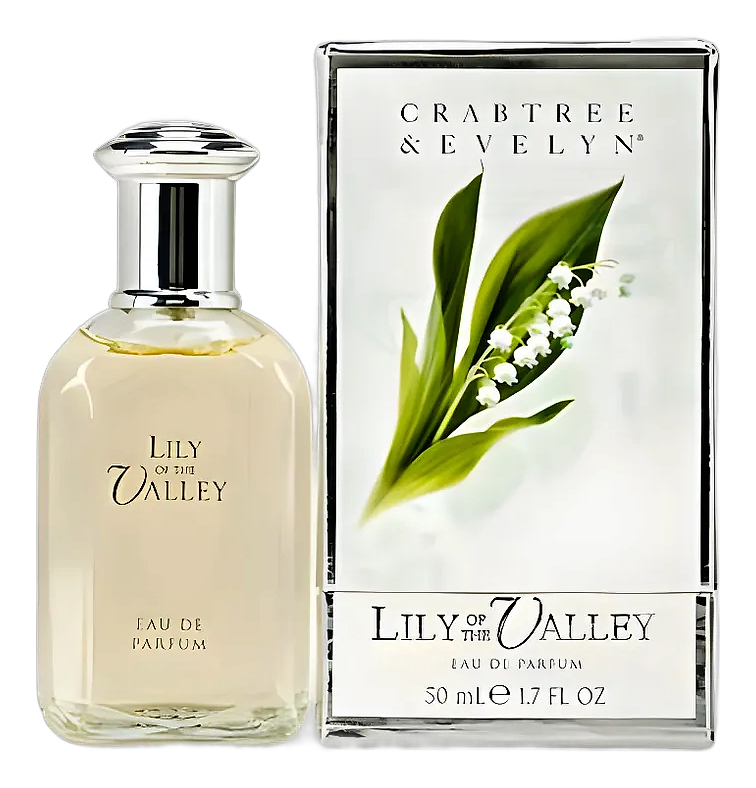
The Story
Why it exists.
The beginning
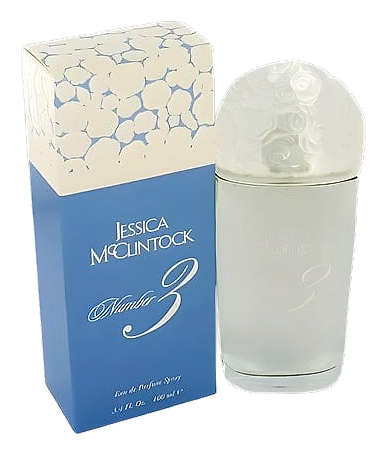
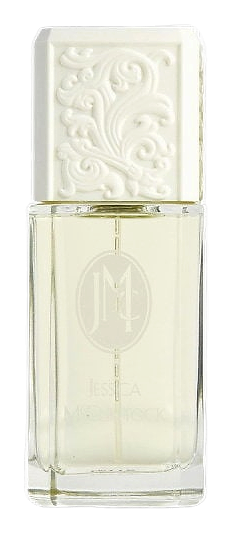
Jessica McClintock spent a decade translating the feeling of her prairie dresses and evening gowns into a fragrance before launching anything. The wait was deliberate. By 1988, her brand was synonymous with romantic femininity, ballrooms and bridal aisles, prairie-lace and prom nights. Her first perfume needed to carry all of it. Not just smell like flowers. Capture the entire aesthetic, the white dress, the green garden, the sense that beauty didn't require permission. The 1988 debut delivered exactly that: a composition rooted in lily of the valley, softened by jasmine and rose, anchored by musk. It was accessible from the start. Not a luxury statement. An invitation.
The composition hinges on a tension unusual for a 1988 floral. The top is loud, herbaceous, basil and ylang-ylang arriving together, green and slightly wild, before the brightness of lemon and bergamot. It's an aggressive opening that asks something of the wearer. That initial sharpness eventually gives way to lily of the valley, rendered with striking realism. This isn't a stylized floral. It's the actual smell of the flower, pressed clean and close to the skin. The jasmine and rose deepen the heart without drowning it, and the musk base keeps everything intimate, present but never announced. What makes this structure unusual is that it doesn't play it safe at any stage.
The evolution
The first twenty minutes belong to citrus. Bright lemon, bergamot, and cassia lift the opening into something sharp and clean, and here is where the composition earns its reputation. The ylang-ylang and basil arrive together, adding a green, slightly medicinal edge that some wearers describe as soapy. It's not an accident. That green herbaceous layer is the backbone of the 80s floral, the thing that keeps it from sliding into sweetness. Give it time. Around the thirty-minute mark, the citrus settles and the heart opens: lily of the valley first, then jasmine warming the edges, then rose softening everything that came before. The transition isn't dramatic. The garden simply replaces the citrus, taking over without fanfare. The drydown is where the patience pays off. Musk and woody notes settle close to the skin, intimate and clean, lasting six to eight hours depending on the wearer. On fabric, it lingers for days.
Cultural impact
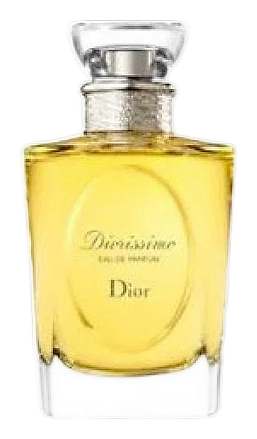
Jessica McClintock became a defining fragrance of the late 1980s, introducing the McClintock vision of romantic beauty to millions of women. Wearers often describe it as the scent of a specific memory, a wedding day, a prom night, a formative moment in adolescence. It sits alongside Diorissimo as a lily-of-the-valley reference, though where Dior's fragrance is classical and restrained, McClintock's is warmer, greener, and more rooted in the American romantic sensibility of its era. The 1988 launch predates the niche fragrance boom by decades; it exists in a category of accessible, feminine classics that were never trying to be anything other than beautiful.