The Story
Why it exists.
The beginning
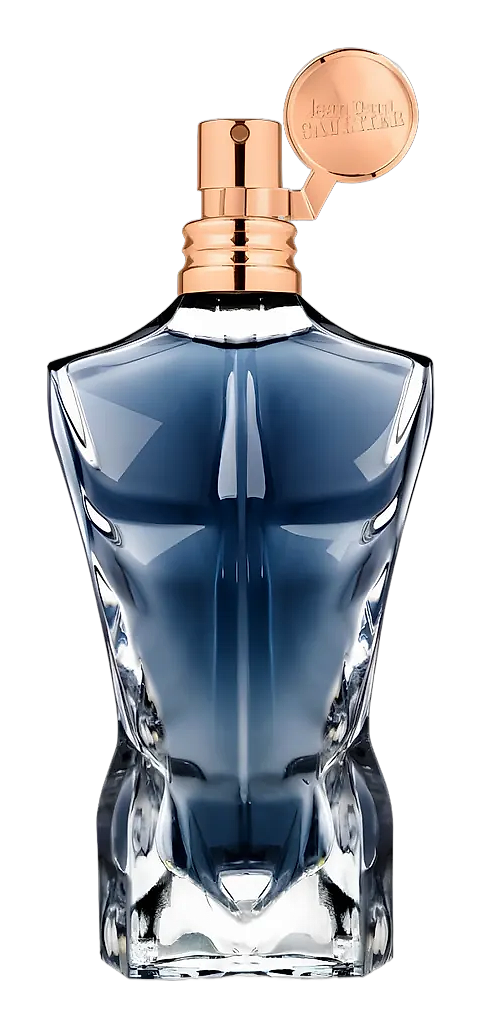
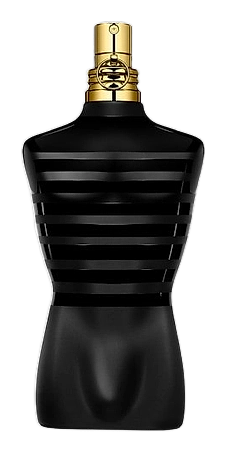
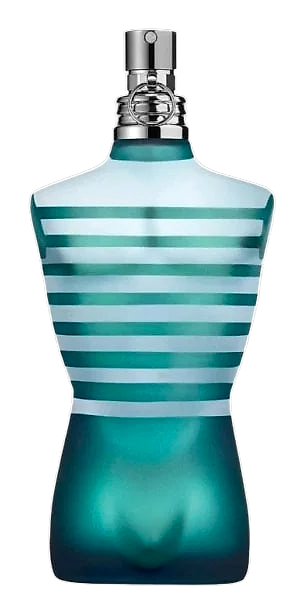
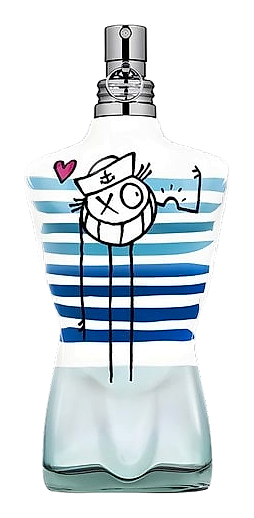
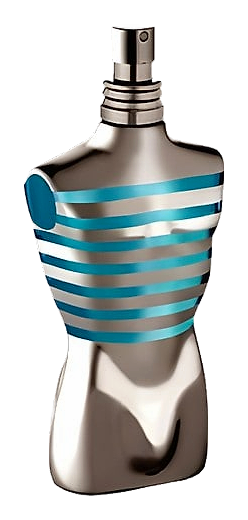
Every summer, Jean Paul Gaultier reimagined Le Male. A sailor's torso in a wetsuit. A knight in metal armor. In 2009, it was metal again, the modern knight, turquoise skin visible through chrome plating. Francis Kurkdjian, who had composed the original Le Male in 1995, returned to refresh the formula for warmer months. The mission was clear: keep the structure that made the original legendary, but dial the freshness higher for the season when air moves slower and skin reads closer. Limited edition, single summer, made to be noticed in heat.
What makes this iteration interesting is how Kurkdjian handled the tension between tradition and warmth. Lavender and mint at the top are the fougère foundation, old barber shop, reassuring. But the heart introduces African orange flower and caraway, adding a spiced floral dimension that most summer flankers skip entirely. And the base, vanilla, sandalwood, tonka bean, doesn't retreat from the warmth. It leans into it. The result is a fragrance that smells like someone who just stepped out of a steamy bathroom into a warm evening, still slightly damp, not apologizing for it.
The evolution
It opens sharp. Mint hits first, then bergamot, then lavender settles like the foam on a freshly shaved jaw. That phase lasts maybe twenty minutes before the orange flower and caraway arrive, warmer, spicier, pulling the fragrance away from clean and toward something more intimate. The drydown is where Kurkdjian's hand shows. Vanilla and tonka bean don't arrive gently. They assert themselves, mixing with cedar and sandalwood to create something that smells less like perfume and more like warm skin. On most people, it lasts four to six hours. On fabric, longer, the tonka catches and holds. What surprises is the cedar. It lingers under everything else, a quiet anchor the next morning.
Cultural impact
Le Male is JPG's anchor. When the house reimagines it as a limited edition each season, collectors pay attention. The 2009 summer version arrived in a metal armor flacon, the modern knight, positioning itself as a warm-weather counterpoint to the year-round original. Kurkdjian's decision to maintain the core structure while adjusting for season means this reads as Le Male, but leaning into heat rather than cold.