The Story
Why it exists.
The beginning
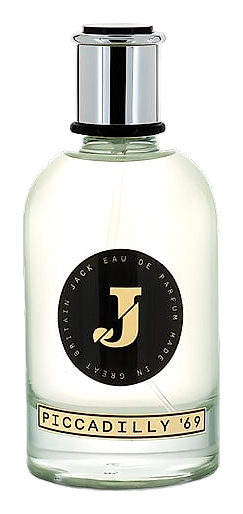
Richard E. Grant was twelve years old in May 1969. He flew from Swaziland to London with his parents, emerged from the Piccadilly Circus tube station, and looked up at the Eros statue and fountain. The steps were crowded with people drenched in patchouli oil. Traffic moved through the streets below, filling the air with petrol fumes. The twelve-year-old Grant breathed it all in and it never left him. Piccadilly '69 is that inhalation, bottled. Not reconstructed from memory but summoned from it. The bergamot and ginger arrive like the first shock of stepping out of the underground into daylight. The heart is everything that followed: cypriol, mate, the oily persistence of fuel that somehow became beautiful. Cedar, amber, leather. The notes of a city that smelled like possibility.
What makes Piccadilly '69 unusual is the petrol note itself. It's not buried or softened into abstraction. It reads as what it is: motor fuel, highway rest stop, the smell of a working city. Cypriol (nagarmotha) provides the earthy counterweight, a rooty, smoky material more common in Indian incense traditions. Mate brings a bitter green tea quality that keeps the whole composition from ever becoming sweet. These are not polite ingredients. They require a certain confidence to wear, and a certain curiosity to reach for in the first place. The green notes in the opening are literal: crushed leaves, the smell of something just picked. Bergamot cuts through like Earl Grey. Ginger adds warmth without sweetness.
The evolution
The bergamot opens like a door swinging wide, all brightness and citrus intent. Thirty minutes in, the ginger warms and the green notes soften, becoming something more atmospheric than aromatic. The petrol arrives somewhere around the forty-minute mark and stays. Not aggressively, but with the persistence of a memory that won't clarify itself. The cypriol and mate take over around the second hour, turning the composition earthier, more complex. Cedar begins its slow entrance around the third hour, bringing wood and a certain dryness. The amber appears late, around hour four, and it's subtle, more felt than smelt. Leather is the quiet foundation that everything rests on. By hour six, on skin that holds fragrance well, you're left with cedar and a faint trace of oil. On fabric, it lasts until the next morning.
Cultural impact
Piccadilly '69 occupies a specific space in the fragrance landscape: the intersection of memory, autobiography, and materials that most brands won't touch. It has a small but vocal following among people who appreciate what it does, which is refuse to smell like anything safe. Richard E. Grant has spoken openly about being led by his nose throughout his life, and Piccadilly '69 is perhaps the purest expression of that philosophy. It doesn't chase trends or aim for mass appeal. It aims to smell like 1969 London, which is to say it smells like a specific moment, a specific place, a specific boy breathing in something he never forgot.