The Story
Why it exists.
The beginning
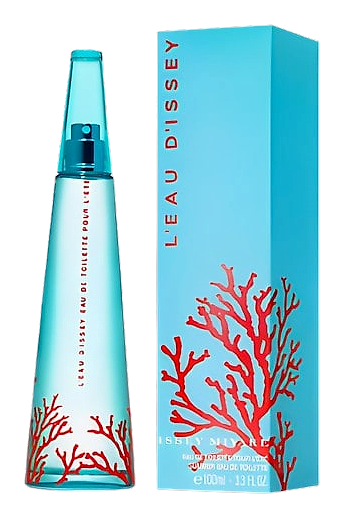
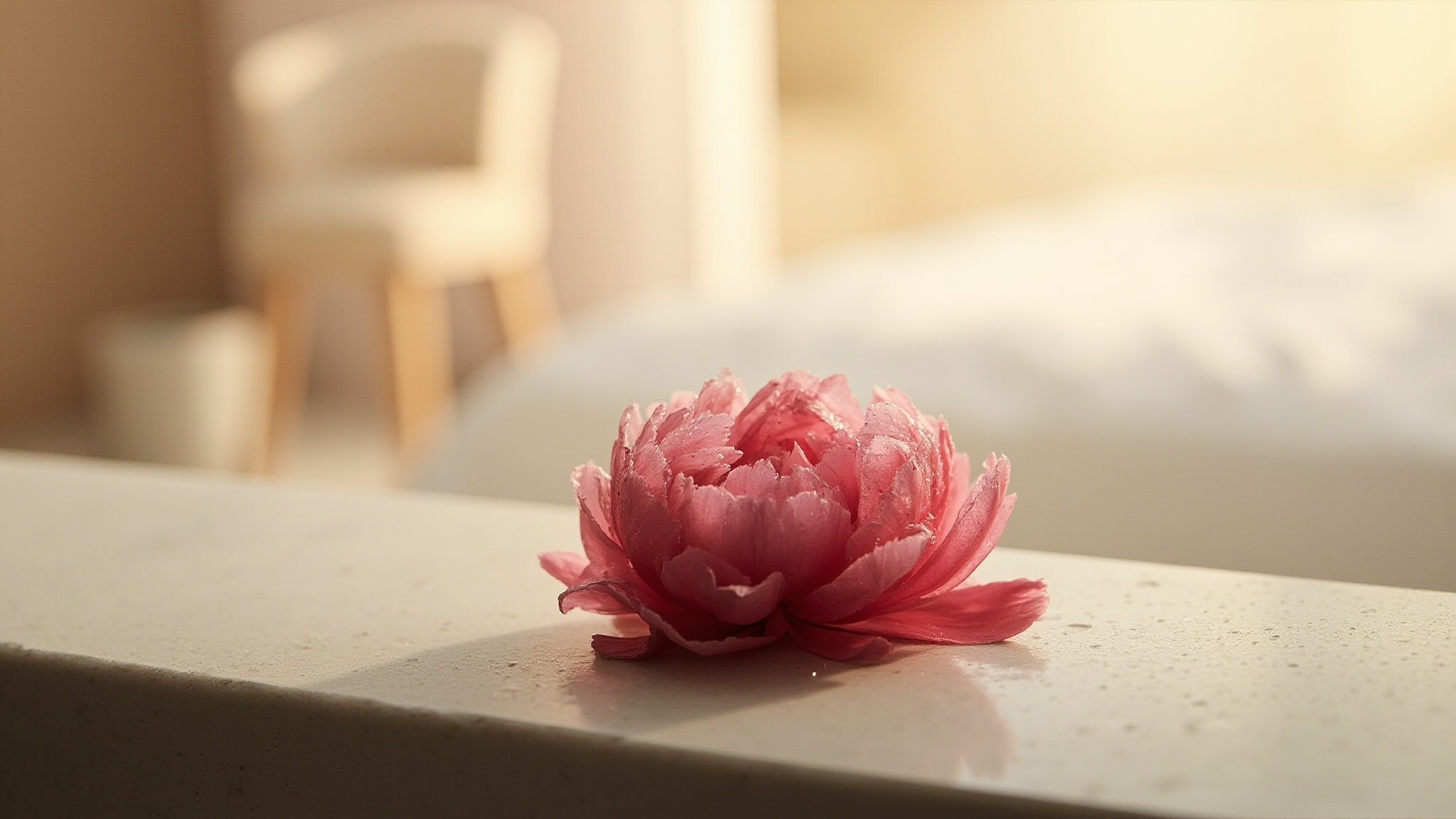
The 2011 summer edition arrived as a gentler argument for everything the L'Eau d'Issey name could mean. By then the house had established its identity around water as material, not metaphor, a Japanese reductionist clarity that translated well into scent. The original was a statement. This one was an exhale. The brief seemed simple: take the aquatic framework, soften the edges, let flowers do more of the work. Pear opened brighter than expected. Peony arrived with a lushness that made the composition feel less clinical than its predecessor. The coral-blue bottle with its shell motifs said summer without trying too hard, a design choice that felt native to the house rather than performative.
What makes the 2011 summer edition hold together is the osmanthus. It's not a common note in Western fragrances, and here it does quiet work, a stone-fruit sweetness that sits between floral and apricot, bridging the peony and the woody base without announcing itself. The carnation in the heart adds a faint spice, a warmth that keeps the florals from reading as purely girlish. The woody notes in the base are deliberately vague, which serves the composition: it stays close to the skin rather than announcing itself at arm's length. Less is more when the heat is already doing the work.
The evolution
The opening is brief and bright, water notes and pear arrive together, with rose hovering just above. Fifteen minutes in, the peony takes over and the whole thing softens. The carnation adds a warmth that reads as spiced rather than sharp. By the second hour, the osmanthus and woody base arrive and the fragrance becomes something quieter and more intimate. On warm skin, the drydown can stretch toward six hours. On cooler skin, four is closer to the mark. The sillage stays moderate throughout, it announces itself in the first spray, then settles into a close companion. What lingers the next morning is a faint trace of osmanthus sweetness on the wrist, almost floral, nearly gone.
Cultural impact
The 2011 summer edition never reached the iconic status of the original, but for those who found the original too heavy or too aquatic, it offered something gentler and more wearable. Collectors noted the distinctive bottle design and the softer composition as reasons to seek it out. It remains a niche favorite within the L'Eau d'Issey family, not the statement piece, but the one you'd reach for on a hot Tuesday in July.