
The Story
Why it exists.
The beginning
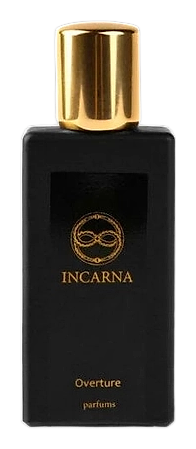
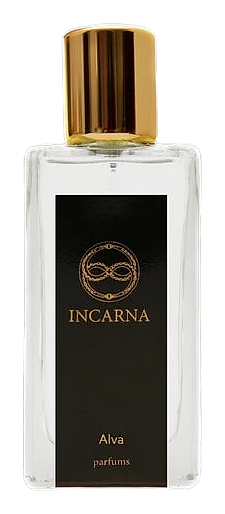
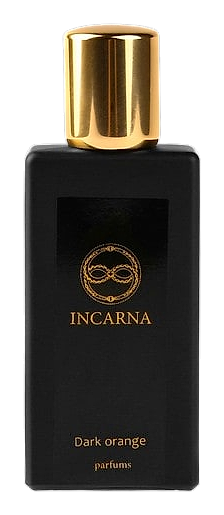
Dark Orange arrived in 2017 from Natalia Vitkovskaya, working within the compact catalogue of Incarna Parfums, a house that treats each fragrance as an author's vision rather than a market product. The brief, apparently, was contrast: take something bright like orange and pull it somewhere darker. Candied citrus meets deep chocolate. The result doesn't hedge. It commits. The opening bursts with glossy orange zest, syrupy and glistening, before the cocoa slides in to soften that brightness into something more indulgent. There's a resinous depth that emerges quickly, grounding the sweetness before it can turn cloying.
What makes Dark Orange structurally interesting is how the chocolate works as both top and heart material, it's not a drydown trick, it's the spine of the composition. The balsamic base (tonka, sandalwood, multiple balsams) doesn't ground the sweetness so much as amplify it, giving the caramel and praline something to lean against. It's the gourmand form taken seriously: not a joke, not a novelty, but a warm, persistent presence that knows what it is.
The evolution
The first minutes smell like chocolate-dipped candied orange, that glossy, syrupy brightness cutting through the cocoa. Within the hour, the chocolate darkens and the caramel moves forward. The praline arrives quietly. The balsamic accord builds underneath, not replacing the sweetness but deepening it. By the third hour, you're in tonka and sandalwood territory, still sweet, still warm, but settling into something that stays close to the skin. The opening stage presents that candied orange in vivid detail, its sugary coating catching the light before the chocolate coats it entirely. As minutes pass, the sweetness amplifies, the caramel emerging with a buttery richness that tempers the initial brightness. The middle phase introduces the praline note, adding a nutty nuance that rounds out the gourmand edge.
Cultural impact
Dark Orange occupies a specific corner of niche perfumery: the sweet-balsamic gourmand that refuses to apologize for being warm. The fragrance resonates with those who want richness over restraint, particularly in cooler months. Its profile sits comfortably within the gourmand tradition while offering something distinctly its own, drawing wearers who appreciate depth and sweetness without flinching. Community discussions suggest it finds favor among those building wardrobes of scent rather than chasing singular statements.
The House
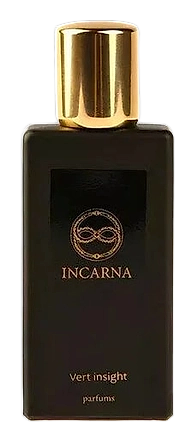
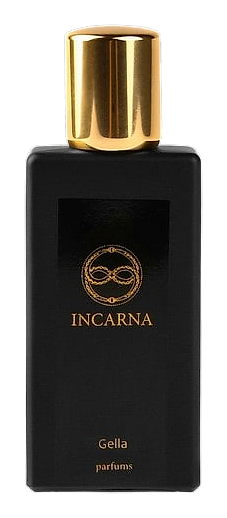
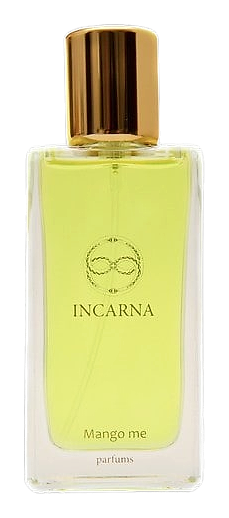
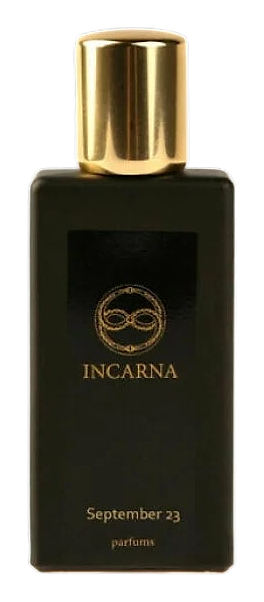
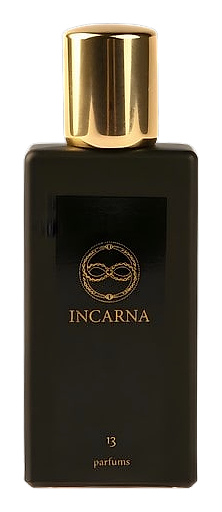
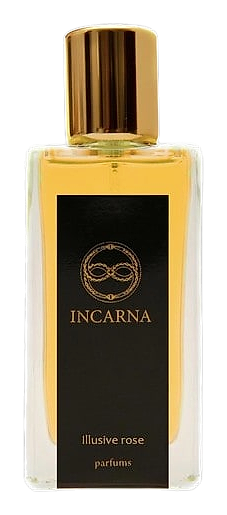
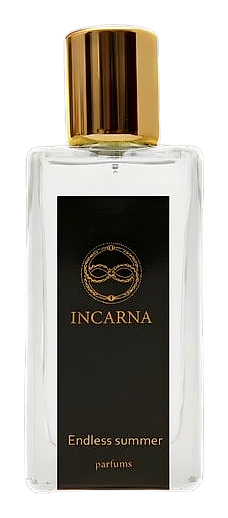
Incarna parfumsIncarna parfums is a Russian niche perfume house that emerged in St. Petersburg in 2017. The label offers a compact catalogue of author‑driven scents, each presented as a personal vision rather than a mass‑market offering. Its releases span a range of olfactory moods, from the contemplative quiet of Silentium (2025) to the sun‑kissed brightness of Endless Summer (2024). Incarna’s approach privileges individuality, inviting wearers to explore stories that unfold on the skin over time. The brand’s modest size allows it to experiment with unconventional accords while maintaining a clear, consistent voice across its line.
The Creator
Natalia VitkovskayaNatalia favors a structured pyramid that starts with a clear opening, builds a rich heart, and settles into a lingering base. She often pairs bright citrus or marine accords with deep amber, sandalwood, or resin, creating contrast that resolves into harmony.