The Story
Why it exists.
The beginning
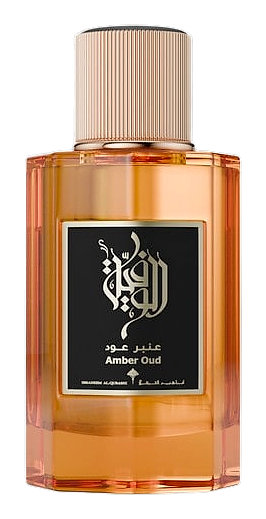
Amber Oud arrived in 2016 as Ibraheem AlQurashi's answer to a growing global appetite for Arabian perfumery, specifically, the resins, ouds, and warm woods that have defined Gulf fragrance culture for generations. Rather than competing with European houses that were then beginning to appropriate oud as a niche trend, this fragrance doubled down on what the house had done best since Mecca: bold, resinous compositions that smelled expensive without apology. The name itself is a statement, amber and oud, two pillars of Arabian perfumery, named directly rather than wrapped in metaphor. The perfumer understood that many wearers in the Gulf market didn't want translation or interpretation. They wanted the real thing, just presented with care.
What makes Amber Oud's structure work is the pairing of leather with rose, two notes that rarely coexist in harmony but here reinforce each other's range. Leather gives the rose something to push against, prevents it from becoming merely decorative. The frankincense in the top then provides the bridge: resinous enough to connect to the amber base, smoky enough to remind the wearer this is not a European rose. Cashmere Wood is the quiet operator, not a natural material but a modern accords composite that delivers the soft warmth of sandalwood without the sandalwood price point. That pragmatic choice reflects the house's philosophy: authenticity where it shows, efficiency where it doesn't.
The evolution
The first spray announces itself. Frankincense smoke fills the immediate space, undercut by leather's faint acridity. Ten minutes in, the rose arrives, not a full bloom but a softened, powdery version that tempers everything beneath it. By the second hour, the leather has receded into the background and the cashmere wood and patchouli take over, creating a warm, slightly earthy middle that feels like closing a door on the outside world. The amber-vanilla base doesn't fully emerge until hour three. That's when the drydown becomes the fragrance: sweet, balsamic, close to the skin. The vanilla is present but not gourmand, more resinous than edible. On fabric, this lingers into the next morning. On skin, expect six to eight hours with moderate projection after the first two hours.
Cultural impact
Amber Oud arrived in 2016 as a deliberate bridge between traditional Arabian perfumery and the growing international fragrance market. The house of Ibraheem AlQurashi, with nine decades of experience in Gulf oud and amber crafting, positioned this release to make their signature smoky-oriental register accessible to a broader audience. The timing coincided with rising Western interest in Middle Eastern fragrance traditions, particularly frankincense and oud. Unlike exclusive blends that remained out of reach, Amber Oud offered an entry point at approachable pricing, democratizing access to amber-oud structures that had defined Arabian perfumery for generations.