The Story
Why it exists.
The beginning
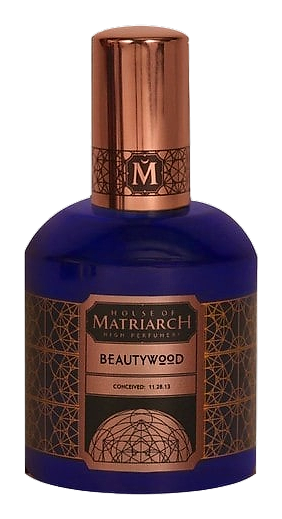
Magdalene arrived in 2021 as a collaboration between Christi Meshell and British artist FKA twigs, limited to 500 numbered copies split between 50 ml and 16 ml formats. The production was small and the window was brief, positioning the release as a collector's object from day one. Meshell built House of Matriarch around a philosophy where each composition functions as a vignette rather than a product. Magdalene fits that mold precisely: a scent that frames one figure, one mood, one kind of quiet. The composition reads as deeply personal, almost devotional in its restraint, drawing the wearer into an intimate dialogue between resin, rose, and stillness.
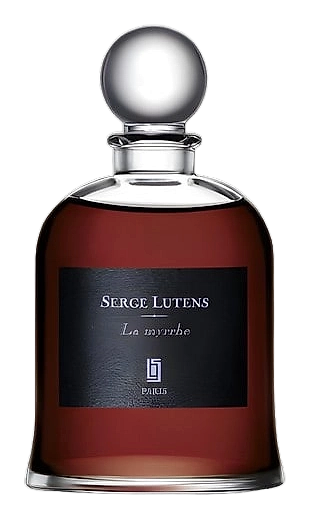
The composition draws almost entirely from materials associated with ancient ritual: myrrh, opoponax, frankincense, copal, labdanum, spikenard. These materials form the spine of the scent, each one bringing its own density and warmth to the blend. Layered into that resinous skeleton is a Gallic rose otto, a material prized for its depth and concentration in natural perfumery. The rose and the resins interact throughout the wear, trading dominance in subtle shifts, never fully settling into a single character.
The evolution
The opening is dense, almost confrontational, built around copal and frankincense, smoky enough to feel like the aftermath of a struck match. Rose appears early but stays buried under resin for the first stretch, more felt than smelled, a presence sensed beneath the heavier materials. The incense gradually thins, making space for the Gallic rose to surface, and the whole thing shifts in character. It becomes warmer, more rounded, with labdanum adding a sweetness that reads almost like burnt honey, softening the sharper edges of the opening without losing their intensity. Sandalwood and cedar anchor the middle stretch, grounding the composition without flattening it, lending a quiet woody backbone that supports the florals above.
Cultural impact
The collaboration with FKA twigs brought Magdalene attention far beyond the usual niche perfumery audience, introducing the house to listeners and art-world followers who encountered the scent through the artist's own channels. That crossover gave the release a cultural footprint few independent perfumes achieve, pulling in people who might never have browsed a fragrance site but who recognized something compelling in the pairing of artist and perfumer.