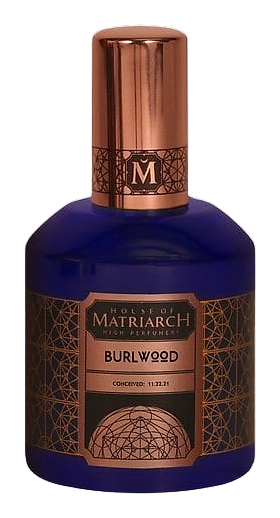

The Story
Why it exists.
The beginning
Burlwood grew from a fascination with one of the most stubborn materials in nature: the knotted, sun-worn bark of old trees. In rain-soaked forests, burlwood formations cling to trunks like fossilized growth, gnarled and patient and impossibly alive. The fragrance captures that same contradiction, the sense of something ancient that refuses to stop reaching. The composition builds from a foundation of bark and oakmoss, layering solar warmth against grounded, herbal freshness to create a scent that feels both weathered and vital.
Solar notes layered against bark and oakmoss create a distinctive tension in Burlwood's composition. Solar accords typically imply brightness and warmth, the memory of sun, but here they arrive in a structure built from the forest floor up. The herbal top notes and bark heart create a grounded, almost mineral foundation. The solar notes don't overpower; they illuminate from within, threading warmth through the composition. Oakmoss anchors everything, lending a damp-earth quality that grounds the brighter elements and adds depth to the bark.
The evolution
The opening arrives cool and green, with crushed leaves and herbal freshness rising first. Within the first phase, the bark emerges, cutting through the greenery with a dry, structural presence. The solar notes bloom here, warm but never sweet, amber warmth without the usual honeyed softness. By the later phase, oakmoss takes over, deepening the composition into something mossy, intimate, close to skin. The drydown becomes quiet and earthy, the smell of old wood and damp earth settling into the skin.
Cultural impact
Burlwood sits comfortably in the woody fragrance category, with the aldehydic lift and solar warmth that sets it apart from conventional forest fragrances. It appeals to collectors who want a scent that smells like a place rather than a concept. The composition balances traditional woody depth with unexpected brightness, creating something that satisfies traditionalists while offering distinctive character.