The Story
Why it exists.
The beginning
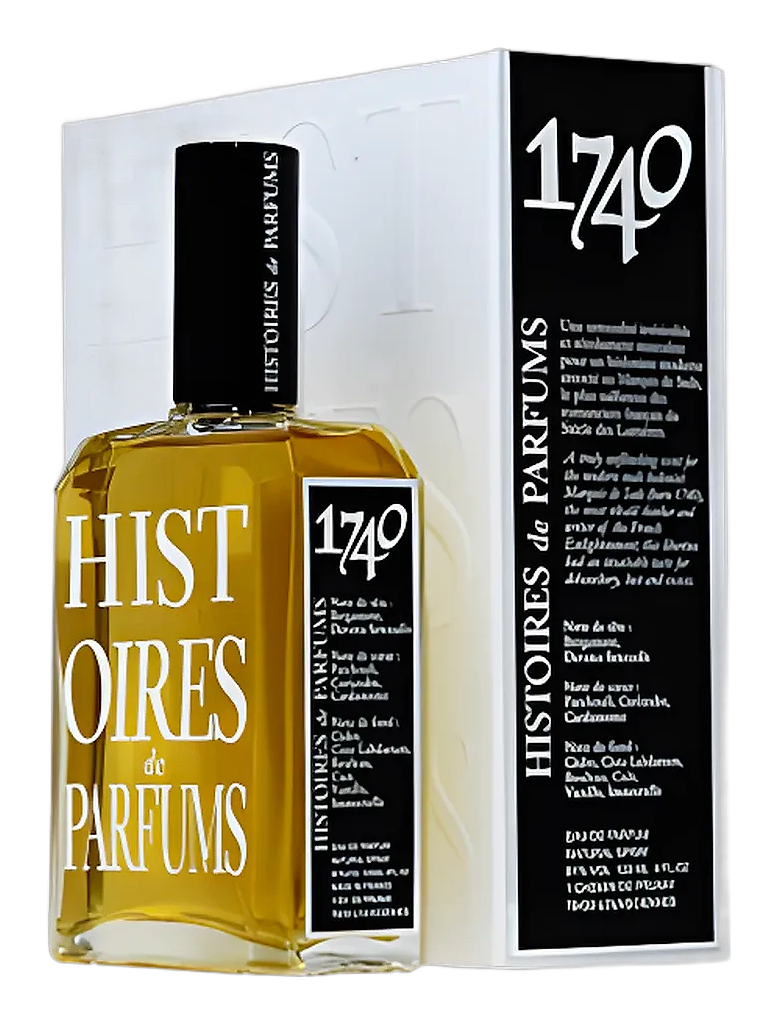
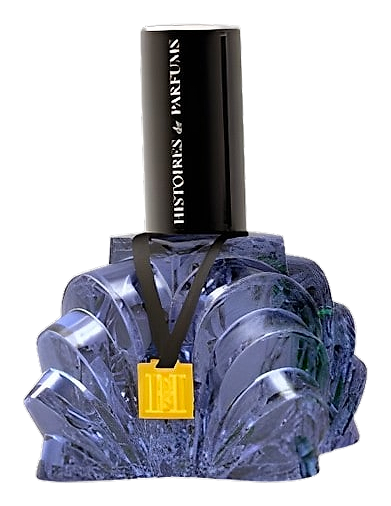
Turandot is Puccini's most demanding opera, a princess who refuses to surrender, a prince who must solve three riddles or die. When Gérald Ghislain created 1926, he wasn't writing fan mail. He was translating ice into scent. The year 1926 marks the opera's posthumous premiere, its debut delayed by Puccini's death two years prior. Ghislain reached for that dramatic tension: the cold formality ofTurandot herself, the heat that finally breaks it. This is fragrance as aria, built for a climax, not an entrance.
The note pyramid is unusual in its execution. Narcissus brings a green, almost narcotic quality, not the polite spring flower but something darker, more insistent. Pair it with orange blossom's soap-like translucency and Williams pear ester, and you get a top that reads like glycerin soap meeting fresh fruit. The carnation in the heart is the bridge, spice without warning. Then patchouli grounds everything, pulling the baroque florals back to earth before leather and incense arrive to complicate the warmth. Amber holds the base together, sweet and resinous, long after the florals have retreated.
The evolution
The first ten minutes announce themselves clearly. Orange blossom and pear ester hit bright and translucent, almost clinical in their cleanliness. Narcissus adds a green undertone that prevents anything too sweet. Then the florals shift, the orange blossom's glycerin soap quality deepens as carnation and jasmine arrive, their fats saponified into something powdery and heavy. The heart doesn't so much bloom as settle, thick and ornate like a baroque painting. By hour three, leather and incense take over. Smoke curls. Amber sweetens the base. The drydown isn't polite, it's the smell of velvet curtains and a standing ovation. Eight to ten hours on skin, intimate sillage, the kind of fragrance that lingers in a room you've already left.
Cultural impact
Turandot represents a pinnacle of operatic tradition, Puccini's final and most ambitious work, left unfinished at his death in 1924 before its 1926 premiere. The opera's dramatic tension between ice and fire, duty and passion, has made it a touchstone of Western classical culture. The 2014 fragrance pays homage to this legacy through its baroque chypre structure, echoing the theatrical grandeur that defined Puccini's composing era. The revival of vintage perfumery traditions has brought renewed attention to compositions like this one, which channel the aldehydic flourishes of mid-century perfumery through saponified florals. These scents represent a bridge between operatic drama and classical perfumery's quieter sophistication.