The Story
Why it exists.
The beginning
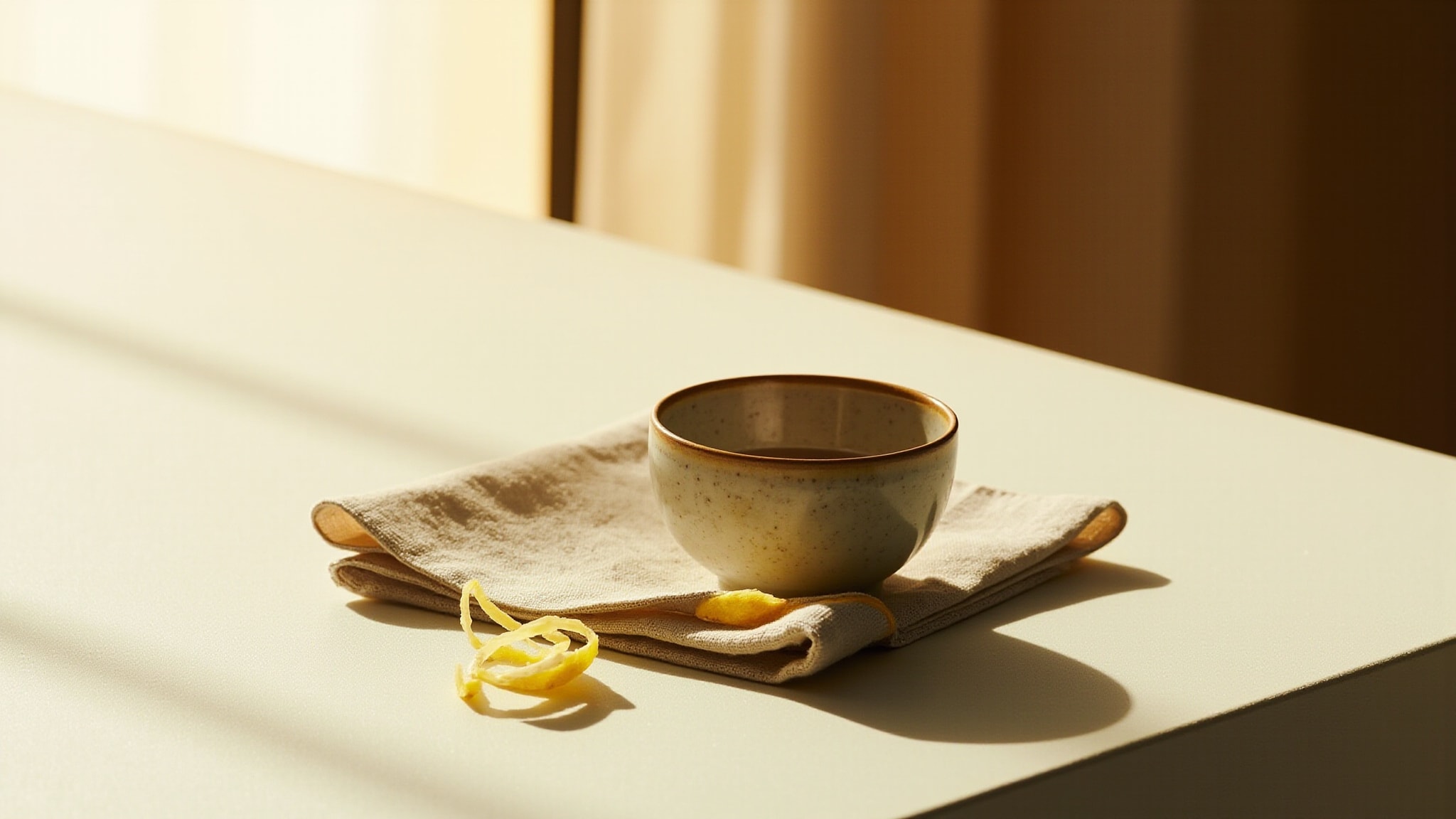
Zencha exists because someone at Hint had the good sense to ask: what does calm smell like? The name gives it away, a portmanteau of 'zen' and 'cha,' the Japanese word for tea. Shinichiro Oba built the fragrance around sencha, the everyday green tea that anchors Japanese culture from morning ritual to late afternoon. The Tea Series positioning meant this one had to earn its place among the other entries, and the answer was restraint. Not more, cleaner.
The structure is unusually disciplined for a modern fragrance. Lemon and orange open at full brightness, but the transition to green tea happens faster than you'd expect, that umami, slightly bitter character arrives while citrus is still audible, creating a layered moment rather than a sharp handoff. Clary sage and orris root don't compete with the tea; they frame it. The orris in particular adds a mineral, almost root-vegetable earthiness that makes the tea read as real, not a note, but an ingredient. Tonka bean and cedar in the base keep the drydown soft enough to stay close, which is the point: this is a fragrance that rewards proximity.
The evolution
The opening hits bright and clean, lemon zest, a squeeze of orange, a whisper of pink pepper that tingles rather than burns. Within fifteen minutes, the citrus begins to recede and the green tea arrives, not as a note but as an atmosphere. Clary sage adds herbal coolness underneath, almost mentholated in its precision. The heart holds for a couple of hours, steady and contemplative. Then cedarwood and tonka bean take over, creamy, woody, warm without being heavy. Vetiver threads through as a drydown anchor, keeping the whole thing grounded in something slightly smoky and mineral. On skin, expect four to six hours before it fades to a close, intimate warmth. On fabric, it lingers into the next day.
Cultural impact
Zencha emerges from Hint's 2024 Tea Series as a meditation on Japanese cultural minimalism, where the name itself combines zen and cha, Japanese words for meditation and tea. The fragrance participates in a broader movement toward intentional, restrained scent experiences that reject olfactory excess. Its citrus-woody composition aligns with contemporary preferences for clean, aromatic profiles that read as thoughtful rather than performative. The fragrance does not attempt to dominate a room or make a bold statement, instead offering a composed alternative to louder designer releases. This approach mirrors shifts in fragrance culture toward personal resonance over social projection.