The Story
Why it exists.
The beginning
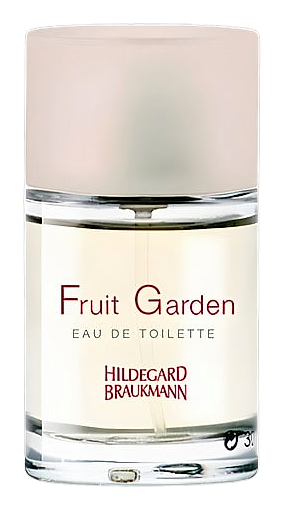
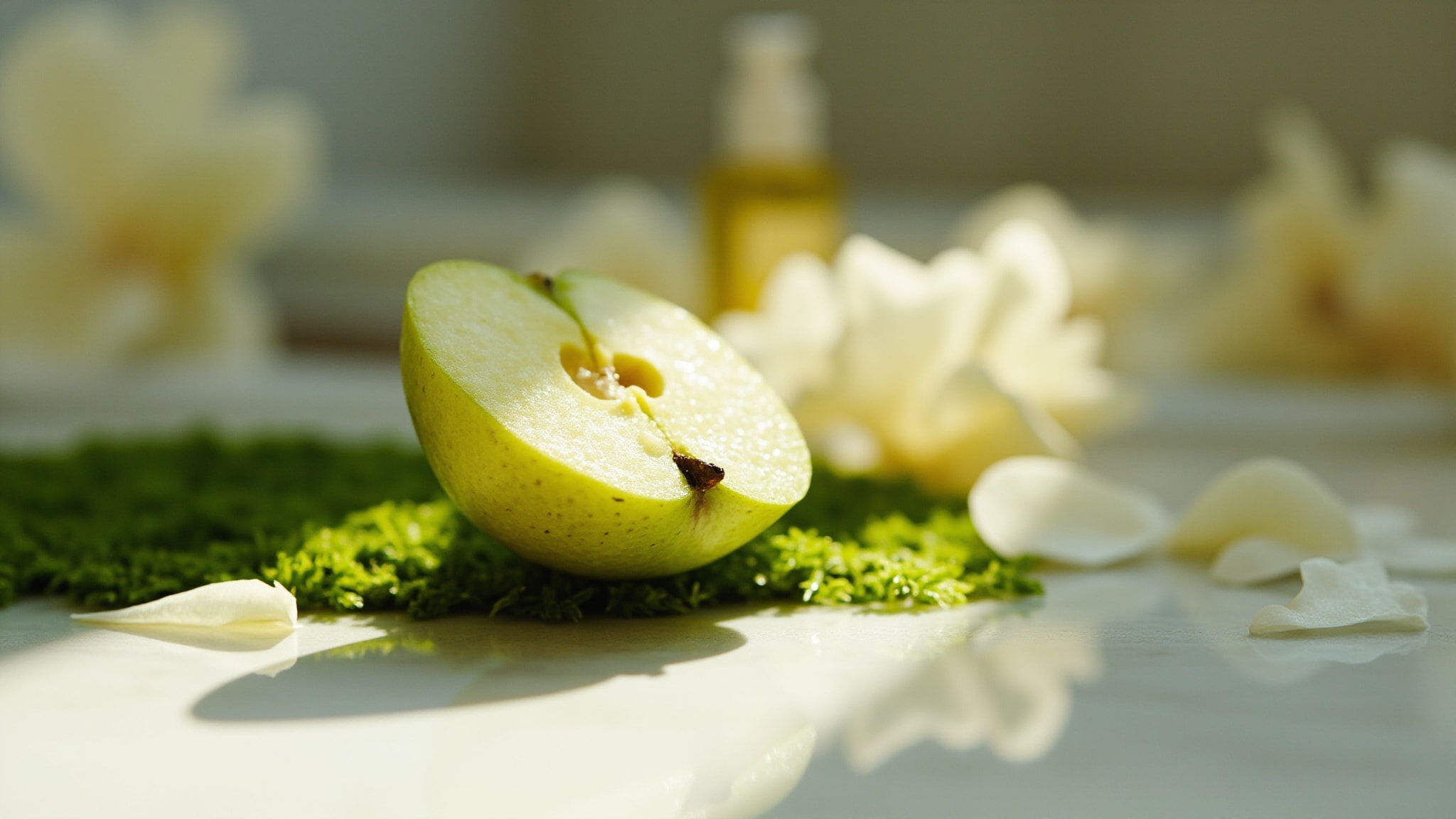
Fruit Garden arrived in 2013 from Hildegard Braukmann. Its name points plainly to the composition: apple and grass at the front, a floral heart of magnolia and rose, and a grounded base of moss and earth. The listed notes move from fruit and greenery into petals and soil, creating a fragrance shaped around elements associated with a garden. Apple and grass establish the opening character, magnolia and rose form the central floral layer, and moss and earth provide the darker foundation beneath it. Together, these notes present Fruit Garden as a composition built around fruit, greenery, flowers, and the grounded character of earth.
What makes the composition worth a closer look is its range of contrasting notes. Apple offers a clear fruit impression, while black pepper adds a contrasting accent. Magnolia gives the heart a broad floral character, while rose adds a familiar rosy dimension. Then moss and earth pull everything downward, giving the brightness an earthy foundation. The result feels green and floral, with fruit, fresh greenery, petals, and soil all contributing to its garden-inspired character.
The evolution
The opening brings movement. Grass and apple establish the fragrance's fresh, green, and fruity first impression, while black pepper adds a distinct accent. As those notes recede, magnolia arrives as a soft floral layer. Rose deepens the middle, keeping the composition recognizable as it moves from garden freshness into a more developed floral character. In the drydown, the floral notes gradually give way to moss and earth. Those base notes leave a grounded impression, with rose still lingering close to skin. The structure moves steadily from grass and apple through magnolia and rose before settling into moss and earth, allowing each part of the composition to remain distinct.
Cultural impact
Fruit Garden presents a compact garden-inspired fragrance built from grass, apple, magnolia, rose, moss, and earth. The composition is notable for the way it places fresh fruit and greenery beside a clear floral heart, then anchors both with darker base notes. That structure gives wearers several points of entry: the familiar character of apple, the green impression of grass, the soft presence of magnolia and rose, and the grounded finish of moss and earth. Its appeal rests in this varied note arrangement, inviting close attention to how fruit, flowers, greenery, and soil shift across the composition.