The Story
Why it exists.
The beginning
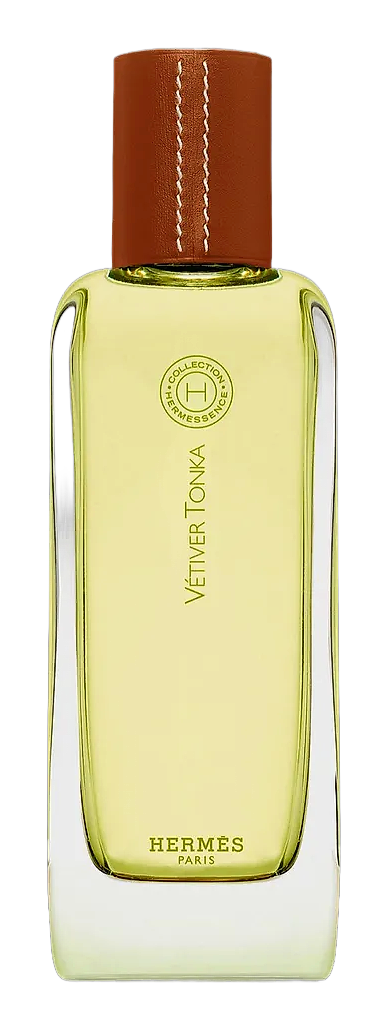
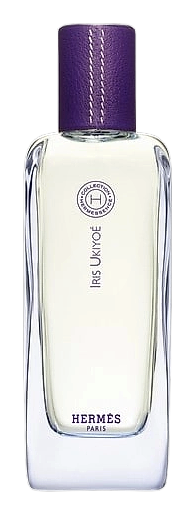
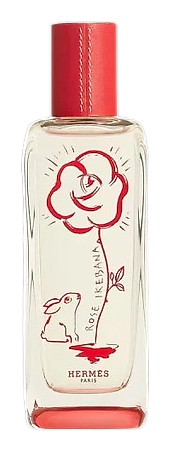
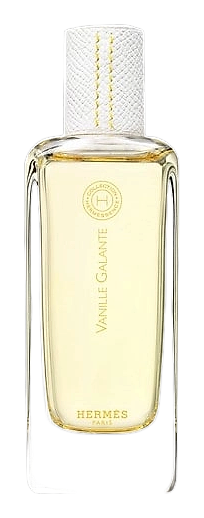
Jean-Claude Ellena designed Vanille Galante in 2009 as a direct response to critics who called vanilla lazy and monotonous. He disagreed. The Hermessence collection had already established itself as a space where Ellena could work like a poet with a limited vocabulary, each fragrance built from a tight palette, each one suggesting more than it announced. Vanille Galante was his answer to the naysayers: a vanilla that murmurs its full depth with unexpected lightness. The title itself carries a quiet confidence, galante implies gallantry, a certain old-world politeness that refuses to shout. It's vanilla as a quiet statement, refined to its essence and left there.
The trick of Vanille Galante is that it never feels like vanilla trying to be interesting. The ylang-ylang lifts the opening into something tropical and slightly heady, but it's held in check by green notes that keep everything airy. The lily adds a floral dimension that prevents the vanilla from reading as dessert or warmth, this isn't vanilla in a kitchen. It's vanilla in a garden, in late afternoon light, touched by something slightly green and alive. Sandalwood in the base keeps the drydown soft and intimate rather than loud. Ellena's transparency, his refusal to layer on the obvious, is what makes the composition feel honest rather than constructed.
The evolution
The opening announces itself quickly: ylang-ylang with a green edge, almost watery, like stems just after rain. There's a brief moment where the spices surface, warm, not sharp, before the whole thing settles. By the second hour, the lily and vanilla have found each other. The floral-cream accord is soft, close to the skin, and deeply warm without being heavy. The sandalwood arrives quietly in the drydown, adding a gentle woodiness that rounds everything out. This is a fragrance that doesn't perform, it accompanies. Lasts 6-8 hours, mostly intimate sillage throughout, with the final impression being clean, soft, and powdery-warm.
Cultural impact
Launched in 2009, Vanille Galante arrived during a period when luxury perfumery was shifting toward minimalism and restraint. Jean-Claude Ellena, Hermès's in-house perfumer, had been championing transparency and reduction since the early 2000s, drawing from Japanese aesthetics and the concept of wabi-sabi, finding beauty in what is understated and incomplete. The Hermessence collection itself was conceived as olfactory haiku, short precise compositions that suggest rather than declare. Ellena created Vanille Galante as a direct counterpoint to the heavy, syrupy vanillas that dominated the market, using ylang-ylang and green notes to lift the vanilla into something almost weightless.