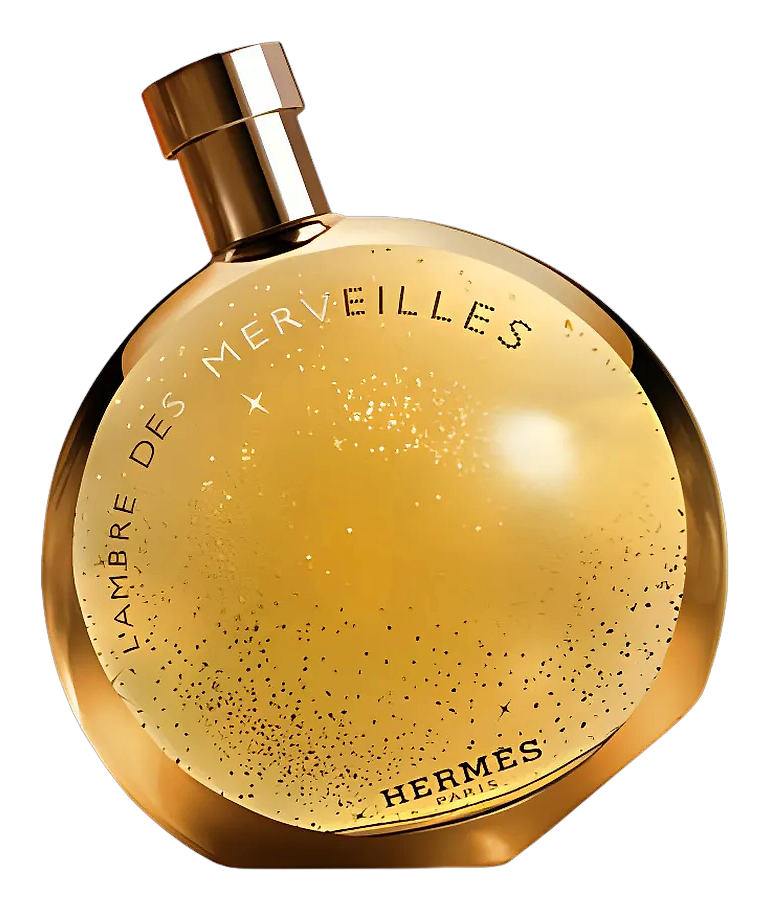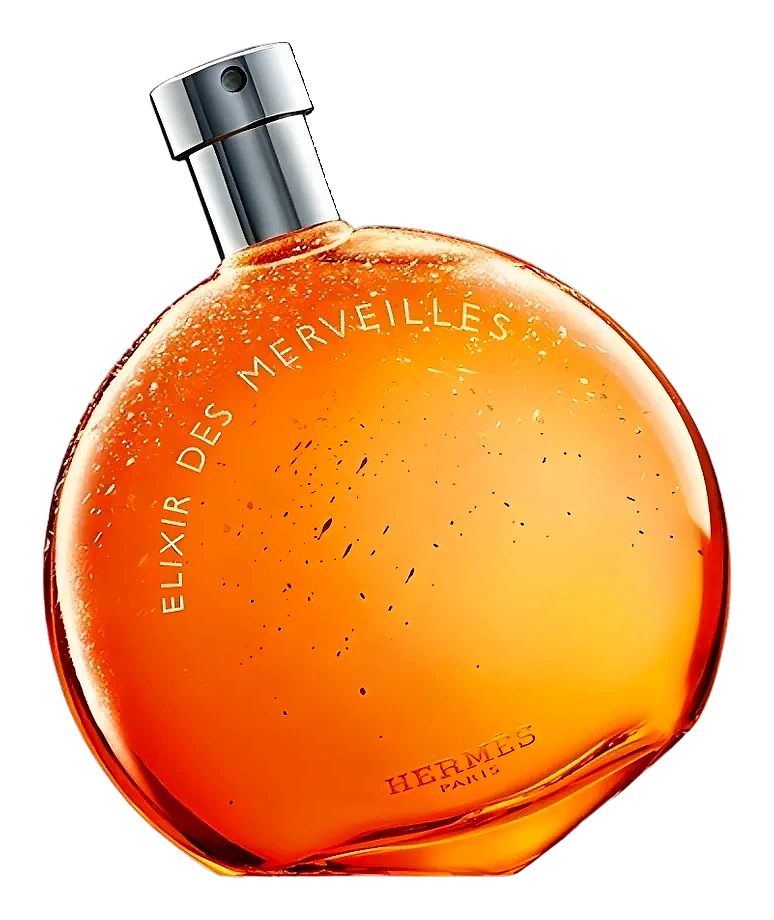
The Story
Why it exists.
The beginning
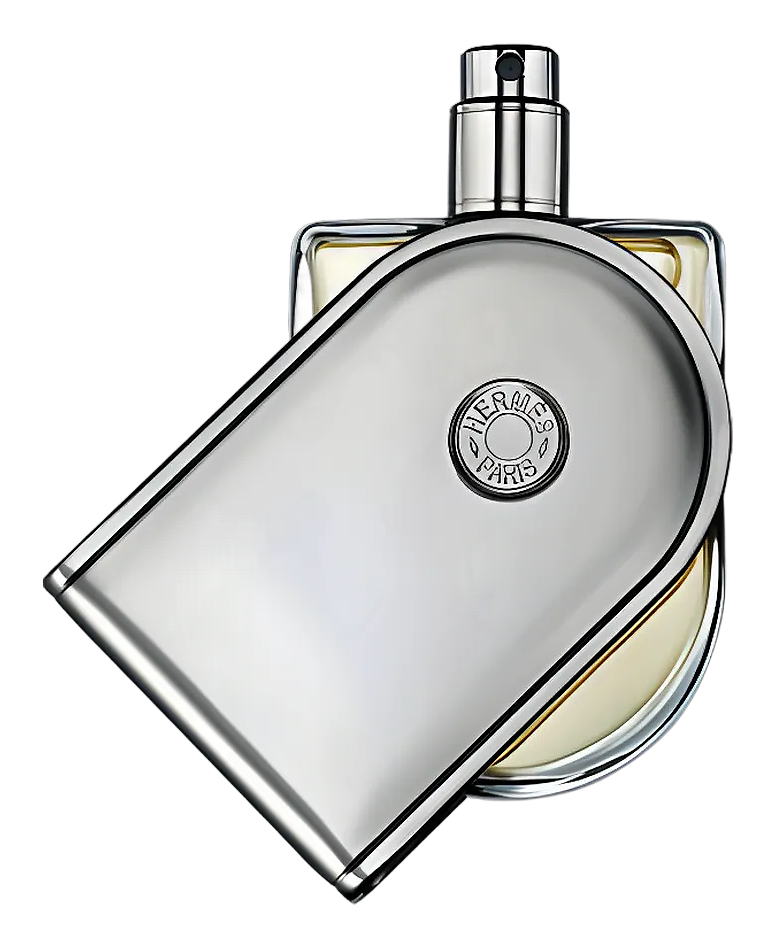
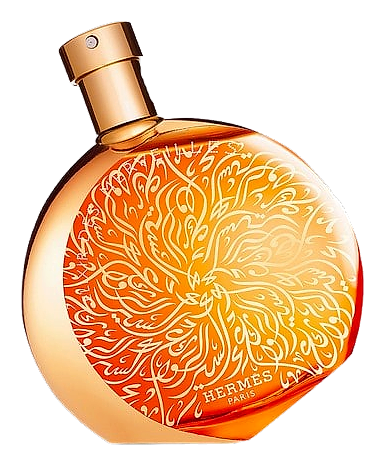
In 2018, Hermès released Elixir Des Merveilles Calligraphie as a continuation of the Merveilles family, a collection built on the idea that wonder can be distilled, bottled, worn. Jean-Claude Ellena composed this chapter with the same philosophy he brought to every Hermès fragrance: suggest, don't declare. The Merveilles line has always occupied a particular space at Hermès, opulent materials presented with almost aggressive subtlety. Calligraphie takes that further, writing the story of amber and vanilla in smaller letters.
What makes this composition unusual is the absence of drama. The Merveilles line includes earlier flankers that leaned into chocolate, into orange pulp, into ambergris, Calligraphie strips all of that back to its core materials. Orange Peel opens bright but not sharp. Peru Balsam and Siam Resin provide the balsamic structure that most oriental fragrances use to anchor their sweetness. Ellena pairs them with Tonka Bean and Caramel, not to sweeten the deal, but to round the edges. Oak and Cedar keep everything honest. No shimmer without substance.
The evolution
The opening arrives without ceremony. Orange Peel introduces itself, bright and almost tart, before the amber and vanilla begin their slow approach. By the time you reach the heart, resin, incense, the warm spices, the fragrance has already decided it isn't going anywhere fast. The drydown is where Calligraphie earns its name. Hours in, the sandalwood and cedar settle into the skin like ink drying on paper, present, permanent, quietly beautiful. On some skin, this lasts into the next morning.
Cultural impact
Calligraphie occupies a specific niche in the Hermès lineup, for the wearer who found Eau des Merveilles too bright or Elixir des Merveilles too dense. It is the quietest of the Merveilles flankers, and in that quietness, it finds its audience. Those who wear it tend to own it for years.