Siam Resin
Warm, enveloping, and quietly opulent. Siam Resin, drawn from the wounded bark of Styrax tonkinensis trees across Laos, Vietnam, and Thailand, carries a honeyed vanilla depth that has anchored oriental fragrances for centuries. A balsamic note that feels like amber light caught in resin.
Character
How it smells
Ancient wounds yield liquid warmth.
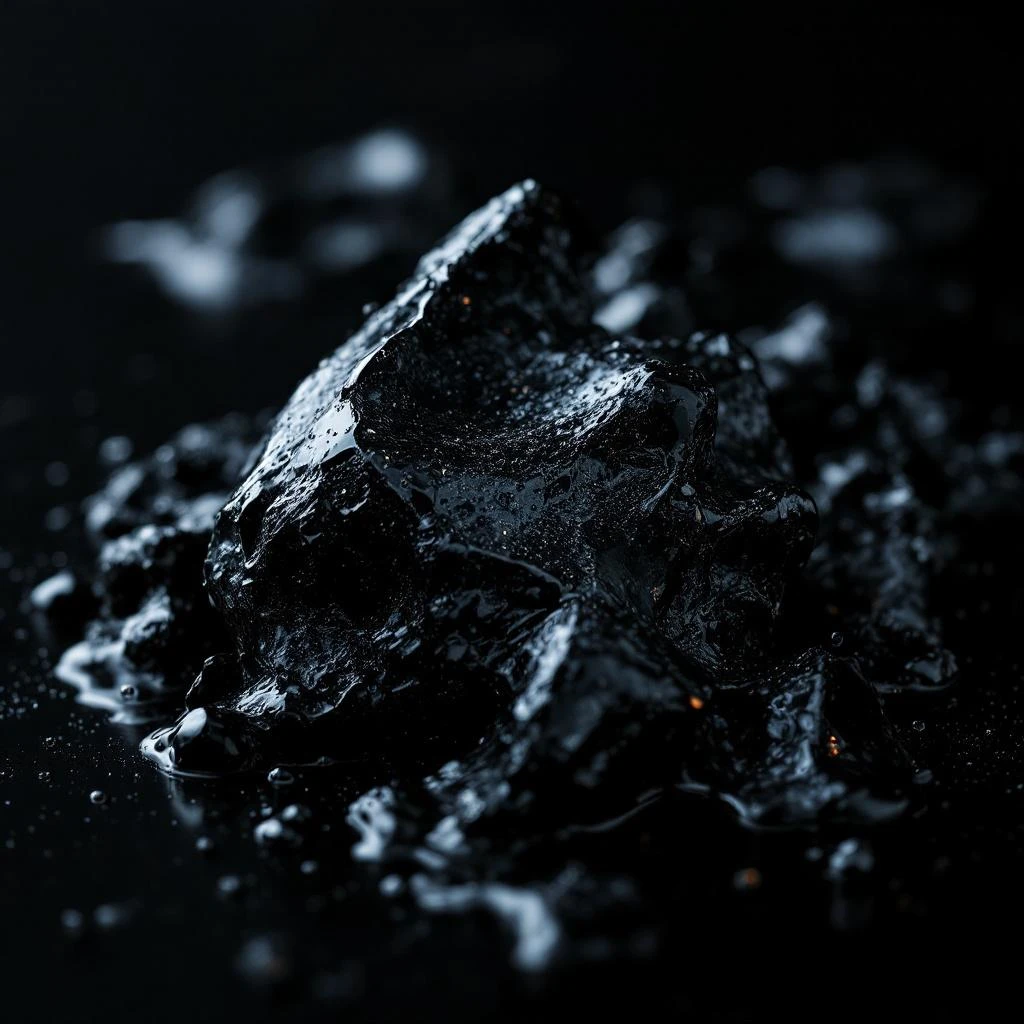
The tree produces benzoin only after injury. Tapping the bark triggers the secretion of this aromatic resin through the tree's own defense ducts.





Origin
Thailand
Southeast Asian communities have harvested benzoin for centuries, using it in ceremonial incense and traditional medicine long before it reached Western perfumers. Siam benzoin traveled along ancient trade routes linking the Mekong region to China, India, and eventually Europe. By the colonial era, it had become a commodity as sought after as frankincense.
European apothecaries prized it for its supposed healing properties, while perfumers discovered its extraordinary ability to anchor volatile top notes and lend warmth to compositions. The note became a cornerstone of the oriental fragrance family, beloved by perfumers from Grasse to Geneva. Today, Laos remains the world's leading exporter, though Styrax tonkinensis grows across Vietnam and northern Thailand.
The continued reliance on hand-tapping methods means the ingredient carries centuries of unbroken craft in every batch.
Wears it best
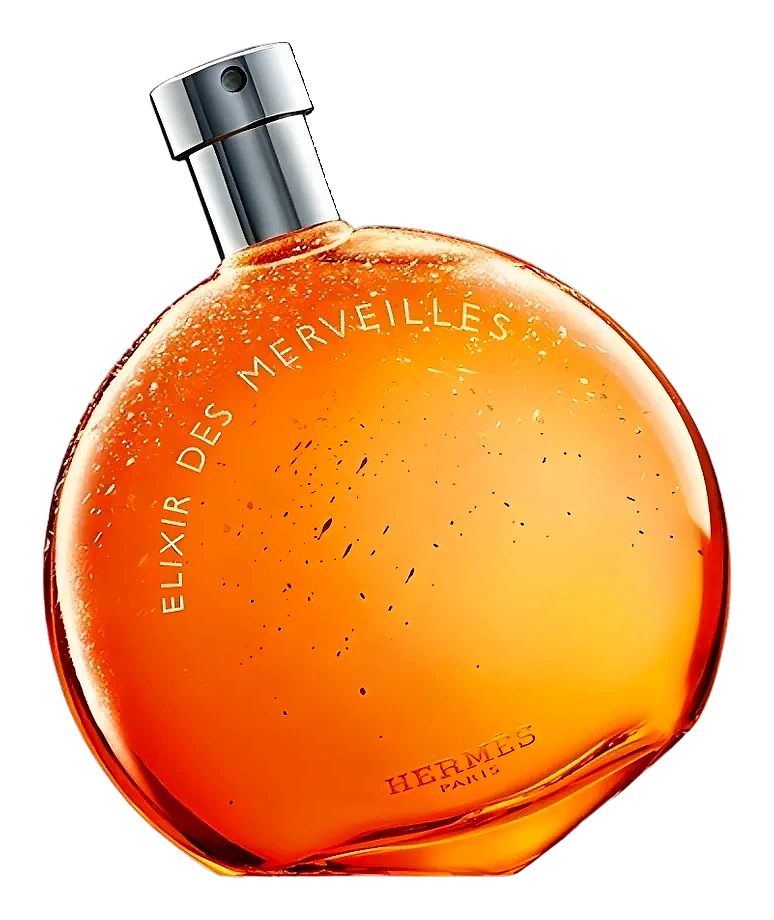
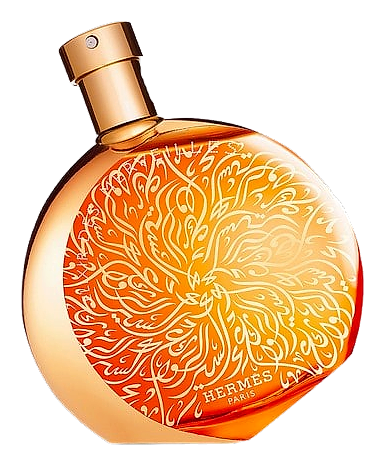
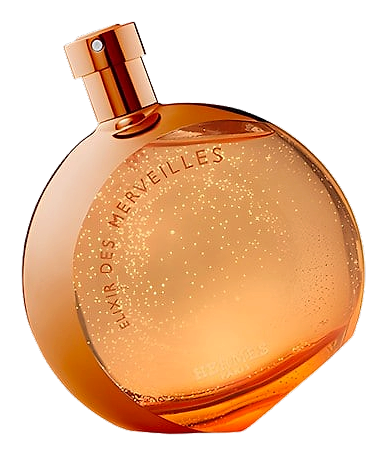
Fragrances featuring Siam Resin
Brands
Brands known for Siam Resin
Good to know
Questions, answered
The essentials on Siam Resin in perfumery: how it smells, where it comes from, and how it behaves on skin.
What does Siam Resin smell like?
Siam benzoin opens with sweet, honeyed warmth and settles into a creamy vanilla depth. It carries balsamic richness with subtle spicy undertones and functions as both a heart and base note in compositions.
Which fragrance families use Siam Resin most often?
It defines oriental and amber families and appears frequently in gourmand and woody compositions. Perfumers pair it with vanilla, labdanum, and sandalwood to amplify warmth and longevity.
How does Siam benzoin differ from Sumatra benzoin?
Siam benzoin (from Styrax tonkinensis) has notably higher vanillin content, giving it a sweeter, more vanillic character. Sumatra benzoin (from Styrax paralleloneurus) is earthier, more leathery, and slightly smoky.
Where does commercial Siam benzoin come from?
Laos is the leading global producer and exporter. Vietnam and northern Thailand also cultivate Styrax tonkinensis, with harvests taking place across multiple seasons each year.
Why does the tree produce benzoin resin?
The resin is a defense response. When bark is wounded, the tree secretes the aromatic substance through traumatic resin ducts to seal the injury and protect itself from infection or insects.
Is Siam benzoin a sustainable ingredient?
Responsible harvesting involves careful tapping techniques that allow trees to recover. Sustainable sourcing programs in Laos and Vietnam now certify wild-harvested benzoin to protect both forests and collector livelihoods.
What role does vanillin play in Siam benzoin's scent?
Vanillin occurs naturally in Siam benzoin at higher levels than in most other natural materials. This compound gives the resin its distinctive creamy, sweet vanilla character that perfumers value in warm, ambery blends.
Can Siam benzoin be used as a fixative in DIY perfumery?
Benzoin resinoid and absolute function as excellent fixatives due to their low volatility. Adding even small amounts to a blend noticeably extends the longevity of lighter top notes.