The Story
Why it exists.
The beginning
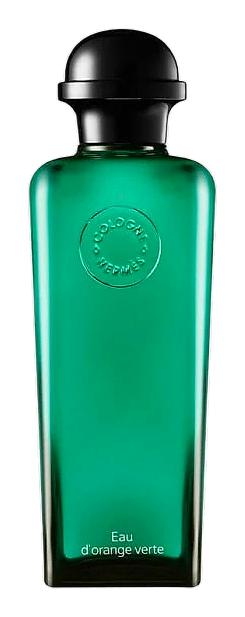
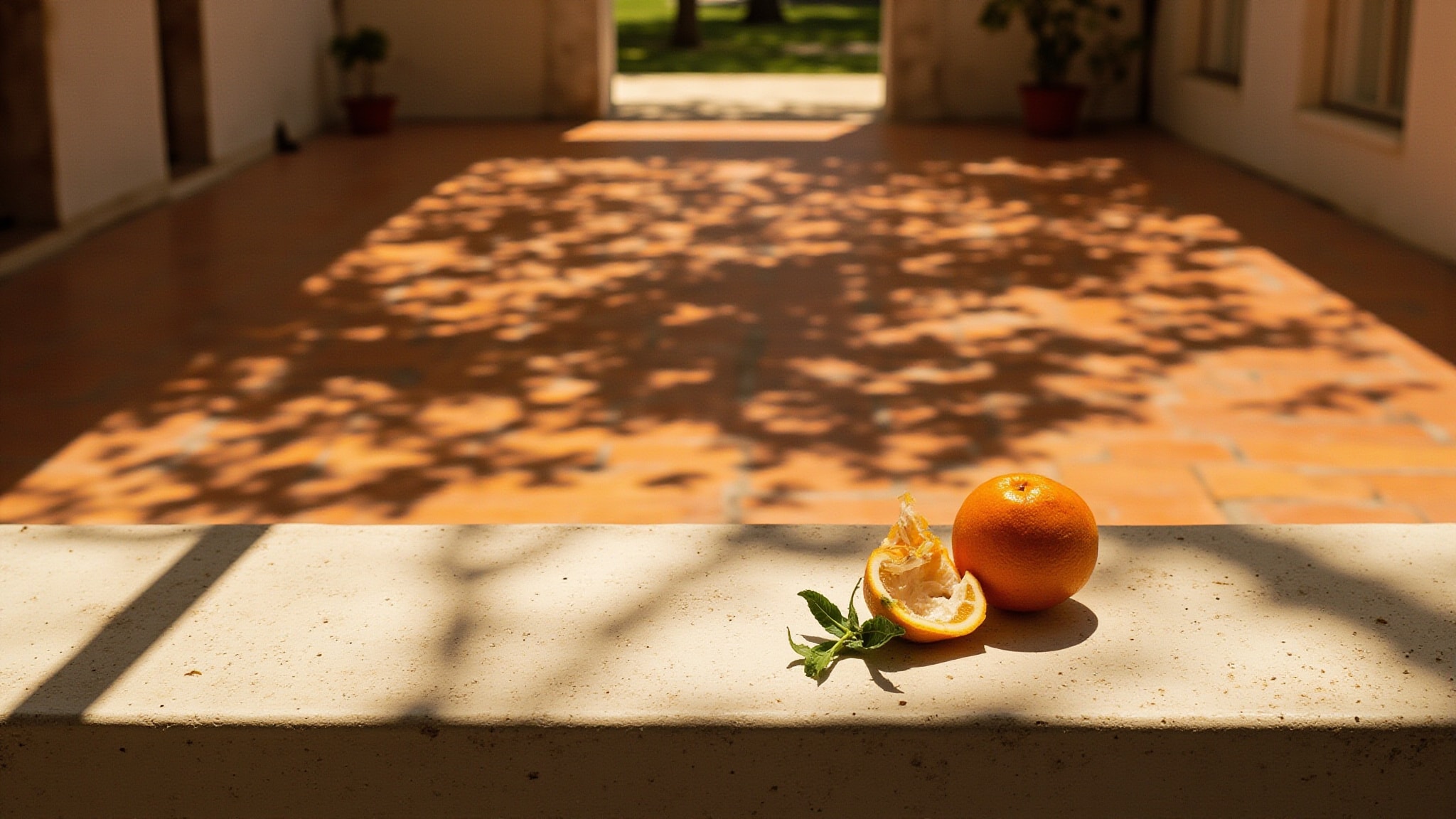
In 1979, Hermès commissioned Françoise Caron to compose a cologne. The brief was narrow in a way that most fragrance briefs aren't: capture the smell of bitter orange, the whole fruit rather than the polished essence. Not the juice. Not the candy. The skin, the pith, the green bitterness left on your thumb after you tear into one with your hands. The composition arrived lean, stripped back to almost nothing. A cologne in the truest sense of the word: something you splash on without ceremony, that lives in the first minutes after it touches skin. Caron built it around a handful of materials and let them do the talking, which is why the juice reads as almost elemental on first contact. There's a clarity here that most modern citrus fragrances try and fail to fake with extra ingredients.
The composition is a study in restraint. Three materials carry nearly everything: orange, mint, and tree moss. There is no floral heart trying to complicate the picture, no sweet base waiting underneath. This is the kind of structure that depends on the materials themselves being good enough to carry the weight alone. The orange has to be bitter, not sweet. The mint has to be green, not candy-like. The moss has to smell like bark after rain, not like a forest diorama. Caron understood that restraint in perfumery isn't about using fewer notes.
The evolution
The opening is almost aggressive. Bitter orange hits the skin like zest squeezed straight onto your wrist, and the mint arrives cold enough to make the skin tighten. There's a snap of something green, a raw green, like pulling a leaf off a stem and crushing it between your fingers. Then the whole thing begins to soften as the minutes pass. The citrus pulls back, the mint warms slightly, and the moss steps forward, damp and woody. Eventually you reach a quiet green phase. No sparkle left. Just moss, a trace of wood, the ghost of mint. The citrus-driven opening fades and what remains is the base structure doing its slow work, the woody notes and the moss settling into something that reads closer to the skin than to the bottle. As the hours pass, the projection drops.
Cultural impact
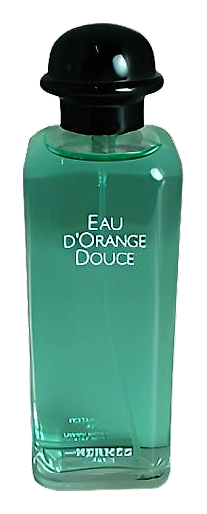
Eau d'Orange Verte is one of three orange-focused fragrances within Hermès's own lineup, sitting alongside Concentré d'Orange Verte and Eau d'Orange Douce. Together they form a kind of family study on a single material, with each one interpreting the orange differently. This particular version reads as the most stripped-down of the three, the one that trusts the bitter orange note to carry the entire composition without much support. It belongs to a category of fragrances that gets used rather than admired from a distance.