The Story
Why it exists.
The beginning
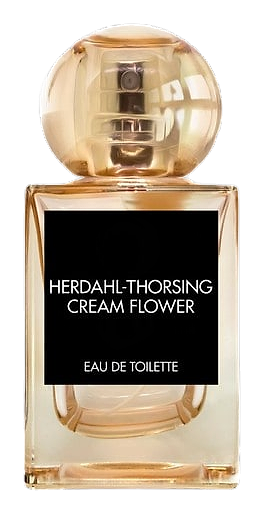
Cream Flower arrived in 2018 from Herdahl-Thorsing. The brand's approach with this particular scent is straightforward, offering a romanticized bouquet that feels creamy and inviting. The composition centers on tuberose, a bloom known for its lush, almost waxy richness, softened considerably by a warm bed of amber that wraps the floral heart in a velvety haze. The brand describes it as a smooth scent dedicated to the romanticized dream of a creamy and alluring bouquet. There's no pretense of representing a place or a memory, no elaborate concept layer demanding interpretation. Just a flower, treated with warmth and a generous hand. The tuberose reads buttery rather than sharp, its indolic edge tempered by the amber's sweetness rather than fought against.
The interesting move is the aldehyde opening set against the heavy white-floral heart. Aldehydes lift the composition out of the powdery-soap zone before the tuberose and lily arrive, adding a brief effervescent sparkle that reads almost like the shimmer of light on petals. Patchouli in the middle keeps the sweetness from tipping into pure dessert territory, adding depth and a subtle earthiness that grounds the florals. Then white amber and sandalwood settle the whole thing into something smooth and almost edible, a creamy finish that clings softly to skin.
The evolution
The aldehydes announce themselves quickly, a brief sparkling lift that reads almost soapy before settling into something warmer. Within fifteen minutes the tuberose and lily take over, fleshy and dense, with a green stem note that keeps it from going too sweet. Patchouli hums underneath, grounding the floral with a faint earthiness. As the hours pass the white amber and sandalwood rise, turning the bouquet into something creamier and more skin-like. The musk lingers longest, a soft warm trail that stays close to the body. By hour five you're wearing more amber than flower. The next morning, the sandalwood is still there on clothes.
Cultural impact
Cream Flower sits comfortably within the tradition of creamy white florals, the kind of scent profile that perfume lovers return to season after season. It enters the genre without leaning on nostalgia or borrowed mythology, which gives it a certain freshness. The tuberose-heavy construction is treated with warmth rather than cool restraint, and the amber base lends the whole composition a smooth, almost edible quality that feels generous on skin. Where many white florals err toward the sharp or the soapy, this one stays plush and inviting, the florals cushioned by warmth rather than sharpened by contrast.