The Story
Why it exists.
The beginning
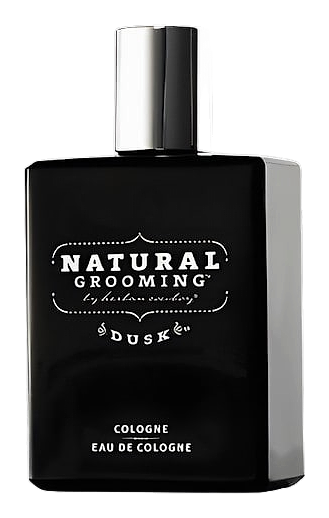
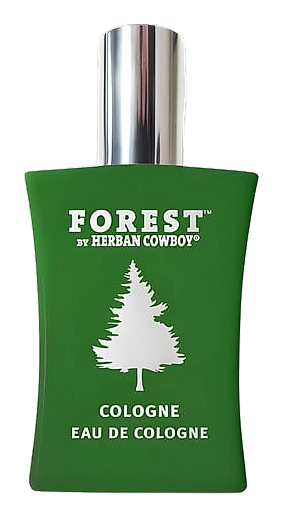
Herban Cowboy launched Forest in 2011 as one of two debut fragrances alongside Dusk. The brand built its identity around plant-powered formulations, vegan, cruelty-free, made with herbs and essential oils. Forest is the embodiment of that ethos: nature translated into something you wear. The name is literal. Not a metaphor. Not an abstraction. The fragrance is meant to smell like the outdoors, moss, herbs, earth, without the pretension of a luxury positioning that justifies itself with pedigree. It's a cologne for someone who chose the trail over the boardroom and doesn't need anyone to know why.
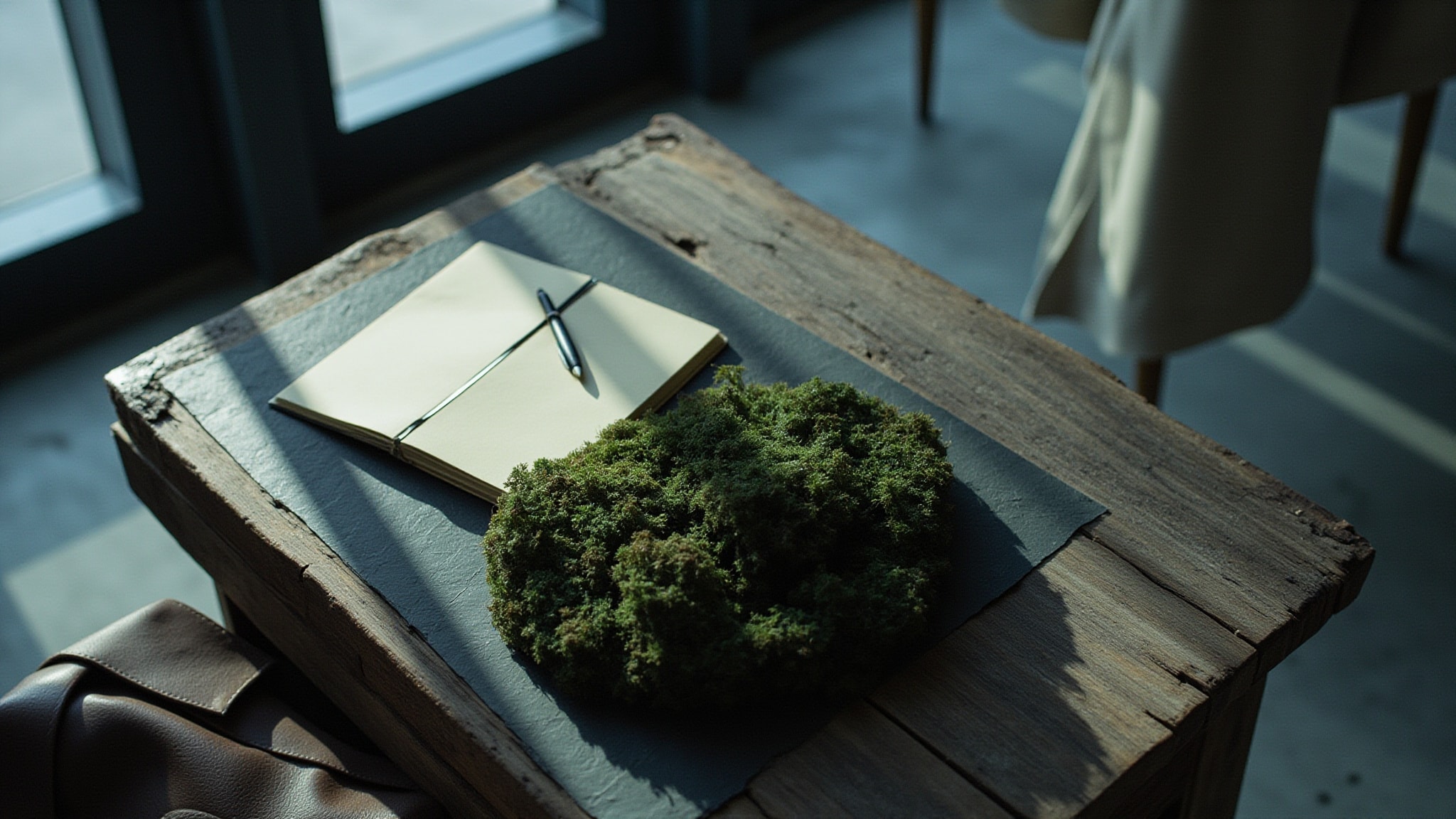
The note structure is lean. Five materials: oakmoss, tree moss, geranium, black pepper, lavender. That's it. No auxiliary florals, no sweet base, no synthetic swell. Oakmoss and tree moss provide the forest floor, that dark, damp, slightly sour earthiness that real moss carries. Geranium bridges the gap between fresh and herbal, its green-rosy character adding a subtle complexity that keeps the moss from flattening. Black pepper and lavender do the opening work: cool lavender first, then the spice of cracked pepper cutting through before the moss takes over and stays. It's a straightforward composition, but the restraint is the point. When everything serves the moss, the moss becomes the story.
The evolution
The opening is quick. Lavender's coolness arrives first, clean, almost soapy, followed immediately by black pepper's sharp warmth. That pepper doesn't linger long. It's a doorway. Once you're through, the moss takes command. Oakmoss and tree moss emerge together, shifting the fragrance from fresh to earthy, from green to dark. The geranium appears as a bridge, a brief green-rosy moment before the composition fully commits to its base. The drydown is where Forest lives. Moss dominates. Earthy, damp, slightly resinous. The pepper returns faintly, a ghost of warmth threading through the green. On skin, this settles close, intimate sillage, moderate projection. It stays for hours as a skin scent, the moss softening but never fully disappearing, like the smell left on your jacket after a long walk through damp woods.
Cultural impact
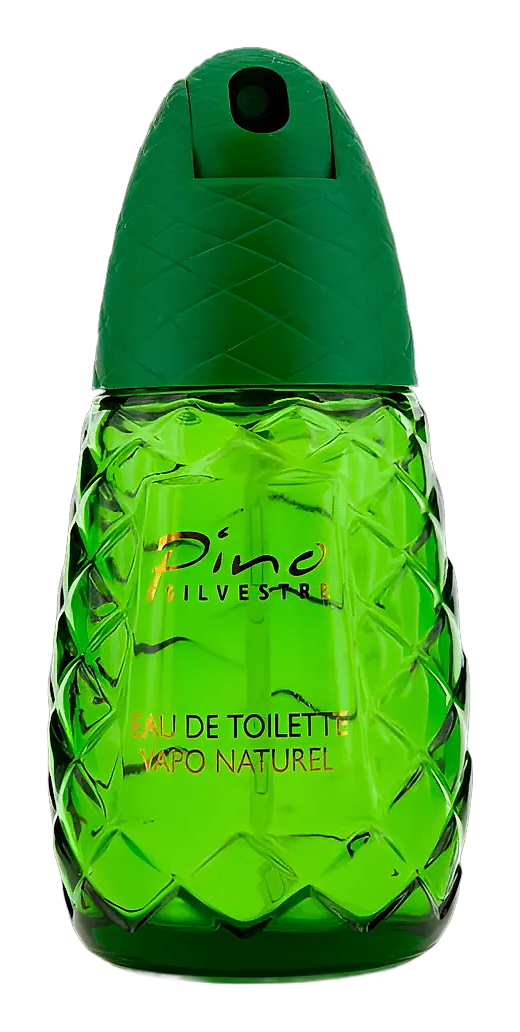
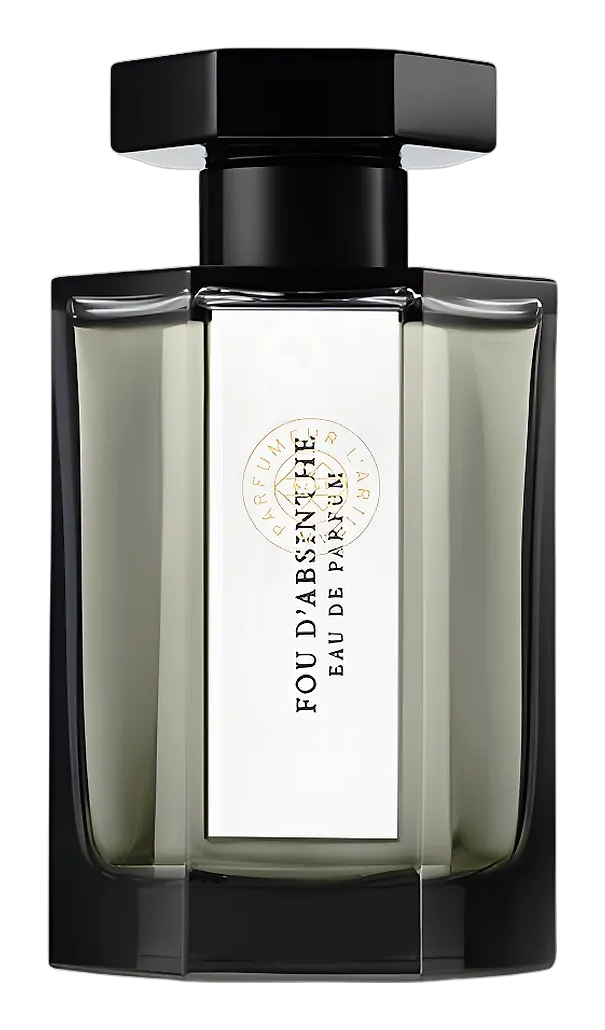
Forest landed in 2011 as part of a smaller wave of indie fragrances built on natural positioning before that became an industry default. It shares territory with aromatic fougeres like Pino Silvestre and Fou d'Absinthe, fragrances that wear their nature as identity rather than aesthetic. Forest suits cooler months when moss and earth notes have room to develop, though the fresh-aromatic structure carries through spring and fall without effort. Since 2011, it has maintained a quiet following among wearers who want something genuinely natural and unapologetically botanical, a fragrance that never tried to be trendy and never needed to.