The Story
Why it exists.
The beginning
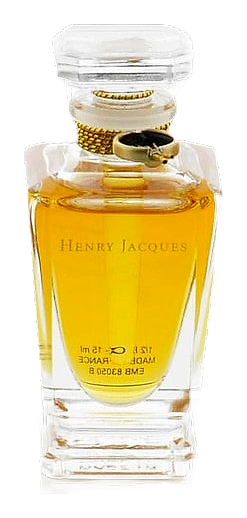
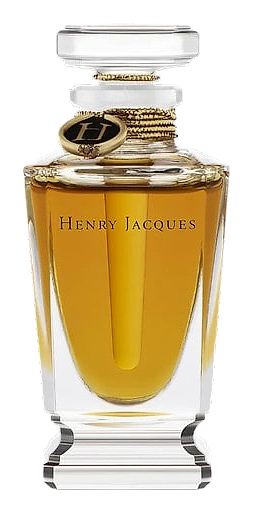
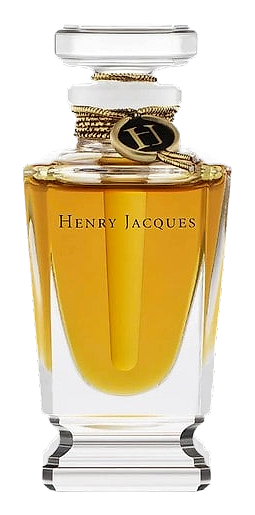
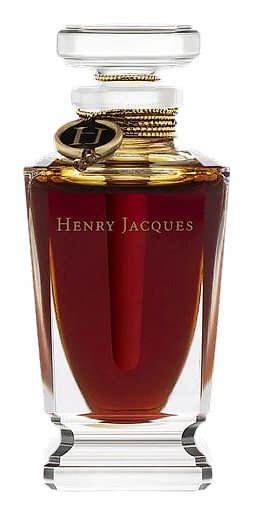
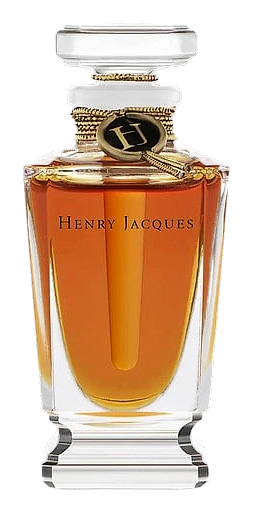
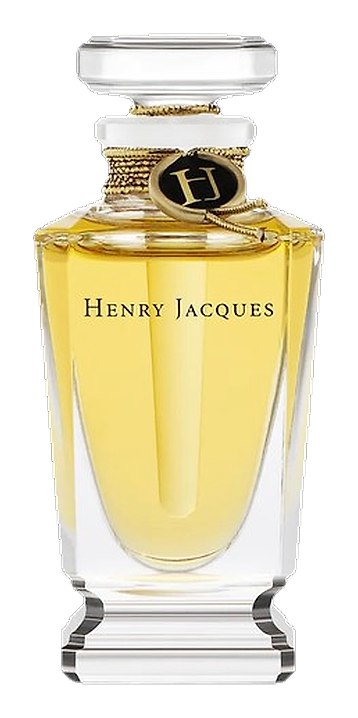
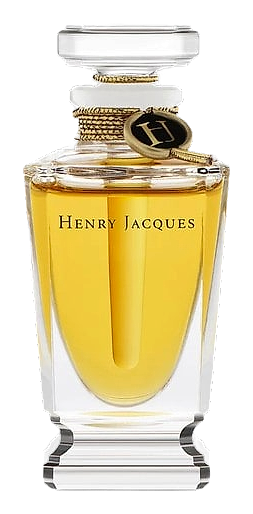
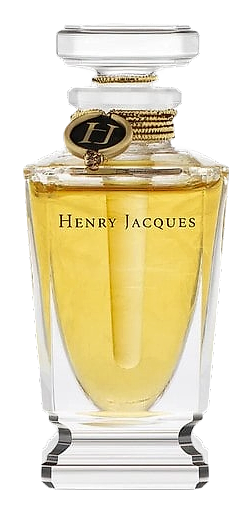
Rose Sahara is part of Henry Jacques's Les Classiques collection, a line that anchors the house's broader catalog. Part of a trilogy of rose-led scents that also includes Rose Snow and Rose Galata, it represents the driest, most austere interpretation of the house's floral obsession. The fragrance takes the rose at its most stripped-back, offering a composition built around sharpness rather than sweetness. While the sister scents lean into warmth, opulence, or soft powder, Rose Sahara pulls the damask rose into colder territory, treating it less as a garden flower and more as a mineral element.
What sets Rose Sahara apart from its sister compositions is the choice of ambergris over amber. That single swap changes everything. Where warmth might gather and pool, here it stays cool, mineral, slightly saline, with a quiet dryness threading through the damask rose. The saffron and nutmeg sharpen rather than sweeten the floral heart, giving the carnation a wind-bitten edge. The spices don't decorate the rose; they interrogate it, pulling it away from any association with softness or sentiment.
The evolution
The first fifteen minutes are almost disorienting, nutmeg's warmth leaning toward savory before the saffron pulls the composition taut. The saffron threads through with a metallic glint, more austere than golden, lending the opening a sense of mineral coolness that the nutmeg can't quite override. As the composition settles, carnation enters with its clove-like spice, building a heart that reads warm but stays dry. The spice never collapses into sweetness; it holds its structural role, keeping the fragrance sharp even as the floral elements begin to surface. Damask rose reveals itself gradually rather than blooming open, coming forward with a presence that feels deliberate and unhurried, anchored by ambergris's saline coolness.
Cultural impact
Rose Sahara sits within a trilogy of rose compositions, alongside Rose Snow and Rose Galata, that collectively map the range of what a rose fragrance can be under Henry Jacques's hand. Within that trilogy, it occupies the starkest position, offering a counterpoint to more conventional treatments of the flower. The rose at its center doesn't soften with wear; it tightens, holding its mineral edge through the hours. It's a composition that earns its place through clarity rather than volume, through what it withholds as much as what it reveals.